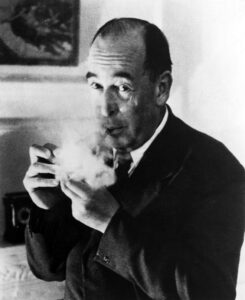
Jonathan Goforth was born in 1859 on a farm near Thorndale, in rural Ontario, Canada, the seventh of eleven siblings. As a young man, he heard the missionary George Leslie Mackay speak about the people of Formosa and decided he would devote his life to missions in China.
He graduated from Knox College in Toronto, and in 1887 married Rosalind Bell-Smith, whom he had asked years earlier whether she would join her life to his to serve in China. Together they set out in 1888 to open the Canadian Presbyterian mission in northern Honan.
The early years in China were marked by suffering. The couple had eleven children but lost five while still young, victims of illness and accidents. In 1900, during the Boxer Rebellion, they fled over long distances, and Goforth was wounded by sword blows before they escaped with their lives.
Once the crisis had passed, Goforth continued preaching in northern China, but a restlessness grew within him. Reading about the Welsh Revival and the writings of the preacher Charles Finney led him to seek, with greater earnestness, what he called the spiritual conditions of revival.
In 1907 he witnessed the Korean Revival firsthand, and upon returning to China the following year, his preaching in Manchuria sparked a movement of conversions that spread over several years and gained international attention, the so called Manchurian Revival.
From then on, he ceased to be a settled missionary and became an itinerant evangelist, traveling through Chinese cities in preaching campaigns. He was admired by many but also criticized by some fellow missionaries, who saw in his methods an excessive emotional appeal and a heavy focus on preaching about hell and judgment.
He recorded this experience in the book By My Spirit, published in 1929, and later in Miracle Lives of China, written with Rosalind. He remained in China and later in Manchuria until 1934, when his advancing blindness forced him to return to Canada.
He died in 1936, just hours after preaching for the last time. His insistence that revival is born of prayer, not human strategy, remains a sober call to any generation that longs to see the church renewed.