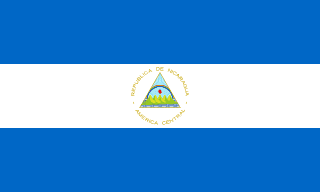
Discover
The identity of the nation
Nicaragua is the largest country in Central America, known as the “land of lakes and volcanoes.” The vast majority of the population identifies as Christian, whether Catholic or Evangelical, a faith that arrived with Spanish colonization in the 16th century and has since shaped the culture, architecture, and festival calendar of every city.
In recent decades, the country has lived through revolutions, civil war, and profound changes in government. Today it faces one of the most difficult climates in the region for religious freedom, with churches closed, leaders imprisoned or exiled, and constant surveillance of anyone who speaks out against injustice.
Despite the pressure, the Nicaraguan church remains alive and resilient, sustained by faith in the home, solidarity among neighbors, and a rich tradition of poetry and music that expresses both the pain and the hope of the people. The Caribbean coast, home to indigenous and Afro-descendant peoples such as the Miskito and the Creoles, holds an identity of its own, distinct from the rest of the country, and remains one of the greatest challenges to outreach within the nation.
Structural poverty and the wave of migration, with millions of Nicaraguans living abroad in search of work, empty out families and communities, while also spreading Nicaraguan faith and culture beyond its borders. Amid the hardships, Nicaragua remains a people of deep faith, hospitable and resilient, in need of intercession so that the gospel keeps living even under pressure.
- Before the arrival of Europeans, indigenous peoples such as the Chorotega, Nicarao, and Miskito inhabited the region.
- 1524 Spanish colonizers found Granada and León, beginning colonization.
- 17th-19th centuries The Caribbean coast (Mosquitia) falls under strong British influence, creating a distinct cultural identity in the region.
- 1821 Independence from Spain.
- 1838 Nicaragua becomes an independent republic.
- 1912-1933 Military occupation by the United States.
- 1937-1979 An authoritarian family-based regime rules the country for more than four decades.
- 1979 The Sandinista Revolution overthrows the regime and a new government takes power.
- 1980s Civil war between the new government and armed opposition groups.
- 1990 Democratic elections end the armed conflict.
- 2007 Daniel Ortega returns to the presidency and begins a long period of consolidating power.
- 2018 Popular protests are harshly repressed by the government, deepening the political crisis and the closing of religious space.
- 2025 A constitutional reform further expands government powers and creates a co-presidency, deepening the concentration of power within the same family.
- Today A majority-Christian country facing growing restrictions on religious freedom and heavy migration for economic reasons.
-
Spanishofficial, spoken by the vast majority of the population
-
Miskitoindigenous language of the Caribbean coast, officially recognized
-
Nicaraguan CreoleEnglish-based creole spoken by Afro-descendants in the Caribbean autonomous region
-
Garífuna, Sumu-Mayangna, and Ramaindigenous and Afro-indigenous languages of the Caribbean coast, with few remaining speakers
Nicaragua is the largest country in Central America, known as the land of lakes and volcanoes: more than 40 volcanoes cut across the Pacific side, and the country is home to the region's largest freshwater lake, Lake Nicaragua, along with vast lowlands on the Caribbean coast.
Major cities
- ManaguaCapital and largest city, the country's political and commercial center
- GranadaColonial city on the shores of Lake Nicaragua, one of the oldest in the Americas
- LeónUniversity city, with a cathedral listed as a World Heritage Site
- BluefieldsPort on the Caribbean coast, with a strong Afro-descendant and Creole culture
- Ometepe IslandFormed by two volcanoes within Lake Nicaragua
- Corn IslandsCaribbean archipelago of beaches and coral reefs
Climate and temperature
Gallo pinto
Rice and red beans sautéed together, eaten at nearly every Nicaraguan table almost daily.
Vigorón
Boiled cassava topped with crispy pork rinds and cabbage salad, a signature dish of the city of Granada.
Nacatamal
Corn dough filled with pork and vegetables, wrapped in a banana leaf and steamed.
Quesillo
Melted fresh cheese rolled in a tortilla, with cream and pickled onion, a very popular roadside snack.
Pinolillo
Traditional drink made from ground toasted corn and cacao, considered a symbol of Nicaraguan identity.
Rondón
Caribbean stew of fish or seafood cooked in coconut milk with root vegetables, a heritage of the Afro-descendant culture of the Caribbean coast.
Understand
Culture and spirituality
2a · The culture
Warm hospitality
Nicaraguans welcome visitors and value conversation and shared time.
Poetry and the spoken word
The country prides itself on being the "land of poets," with Rubén Darío as the greatest symbol of that identity.
Public faith and Marian devotion
Processions, patron saints, and religious festivals mark the calendar of nearly every city.
Indigenous and mestizo heritage
The culture blends Spanish and indigenous roots, visible in the cuisine, language, and traditions.
Distinct identity on the Caribbean coast
The Caribbean region has language, music, and food of Afro-descendant and indigenous roots, different from the rest of the country.
Music and popular dance
Nicaraguan marimba, polka, and mazurka accompany community festivities and celebrations.
Strong family ties
The extended family is the foundation of social support, especially amid economic hardship.
- Speaking ill of the country or comparing it to its neighbors National pride is strong, even amid hardship.
- Discussing politics with strangers The atmosphere is tense and sensitive; voicing opinions can put people at risk.
- Being rushed or impatient The pace of life is more relaxed; hurry can come across as rude.
- Photographing public buildings, police, or demonstrations This can arouse suspicion and lead to serious trouble with the authorities.
- Ignoring the hospitality offered Refusing food or drink offered in someone's home can seem disrespectful.
- Treating the Caribbean coast as the same as the rest of the country The Afro-descendant and indigenous peoples of this region have their own identity and history.
2b · The field
Areas of spiritual battle and cultural captivity to cover in prayer. Tap each point to understand:
The government watches, threatens, and closes churches and religious organizations that publicly oppose it.
The climate of surveillance keeps many Christians from speaking openly about faith and justice.
Decades of conflict have divided families and communities into opposing sides.
Millions leave the country in search of work, emptying churches and homes.
Historic inequality limits opportunities and fuels discouragement.
Divination practices and folk beliefs mix with the Christian faith in many communities.
The abuse of power undermines trust in institutions and in justice.
Indigenous and Afro-descendant peoples of the Caribbean coast remain marginalized, with less access to resources and to the gospel in their own language.
Machismo and abuse within the home harm women and children in many families.
Excessive alcohol consumption destroys families and is used as an escape from a difficult reality.
Nicaragua is going through one of the worst moments in its recent history regarding religious freedom. Since the 2018 protests, the government has treated the church, both Catholic and Evangelical, as a political threat, and pressure on religious leaders has only grown since then.
Hundreds of Evangelical churches have been closed, religious associations have lost their legal status, and priests and pastors have been imprisoned, exiled, or stripped of their citizenship for publicly criticizing the government. Processions and religious activities in public spaces require prior police authorization, and services are often monitored from within.
The Catholic Church, historically the largest, is today the most visible target of this pressure, with bishops and priests imprisoned or exiled. Among Evangelicals, fear of losing legal status or facing retaliation leads many congregations to avoid any topic that might sound like criticism of those in power.
Despite the hostile environment, faith remains alive in homes and communities, and the Nicaraguan church is learning to resist with discretion, prayer, and mutual solidarity in the face of uncertainty.
The persecution score runs from 0 to 100: the higher it is, the greater the pressure on Christians.
Nicaragua has 16 identified people groups, the vast majority already well reached by the gospel, including the Nicaraguan mestizo people, who form a large majority in the country. The only people group still classified as unreached is the deaf community, who communicate through Nicaraguan Sign Language and remain without a church of their own that is accessible in their language. Indigenous and Afro-descendant peoples of the Caribbean coast, such as the Miskito and Afro-Nicaraguans, have varying degrees of gospel reach and hold a cultural identity distinct from the rest of the country.
- 6K Unreached 0.1%
- 0 Minimally reached 0%
- 21K Superficially reached 0.3%
- 295K Partially reached 4.3%
- 6.6M Significantly reached 95.3%
- 1 Unreached 6.2%
- 0 Minimally reached 0%
- 4 Superficially reached 25%
- 8 Partially reached 50%
- 3 Significantly reached 18.8%
Source of people group data: Joshua Project (joshuaproject.net). Estimates, may vary.
Deaf Frontier
Ulwa
Rama
Sumu
Matagalpa
Subtiaba
Miskito
Source: Joshua Project. Estimates, may vary.
Source: Joshua Project and Progress.Bible. Estimates, may vary.
Spanish Official
Gyong
Jakattoe
Kpasham
Pa’a
Deno
Hone
Pray
Intercede for this nation
Send and sustain
Not everyone goes, everyone takes part
Not everyone goes. Everyone takes part.
Behind every worker among these peoples stands a network of people who pray without ceasing, care for the family left behind, and faithfully sustain the work. Sending is mission too.
Start with your church: introduce this nation, adopt it in ongoing prayer, and walk alongside those God is raising up to go.
Go
Practical details for those who want to go
Local time
Cost of living
about 48% cheaper than the United States
Cost by city
Reference values (source: Numbeo). Confirm before traveling.
Practical points for those who go
- Avoid talking about politics with strangers; it is a sensitive subject that can put people at risk.
- Learn basic Spanish: few people speak English outside the Caribbean coast.
- Carry cash; cards are not always accepted outside the big cities.
- Respect rest hours; the pace of life is more relaxed than in large urban centers.
- Be careful when photographing public buildings, police, or demonstrations.
- Use sunscreen and insect repellent; the tropical climate is intense year round.
- Prefer bottled water outside hotels and larger restaurants.
- WhatsApp is the main means of everyday communication.