Israel
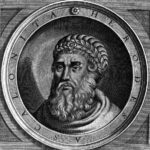
Masada does not appear by name in the Bible, but it helps us understand the political world of Judea in New Testament times. Its clearest connection is with Herod the Great, who built palaces and defenses there. He is the king who appears in the account of Jesus’ birth (Matthew 2:1).
The buildings stood atop a rocky plateau near the Dead Sea. There were walls, food stores, and water reservoirs. It was both a royal residence and a fortress, a refuge designed to withstand an attack.
Later, during the Jewish revolt against Rome, Masada sheltered rebels and was besieged by the Roman army. The remains of the camps and the ramp the Romans used in their attack still show how the siege unfolded. This is Jewish and Roman history; the Bible does not recount it.
Studying the site gives us a better understanding of the world in which the Gospels take place. The connection with Herod provides historical context, but it does not allow us to say that Jesus visited Masada or to associate the site with events that the Bible places elsewhere.