Missions
Is Allah the Same God Christians Worship?
Allah is the Arabic word for God, also used by Christians. Explore the similarities and differences between Christianity and Islam.
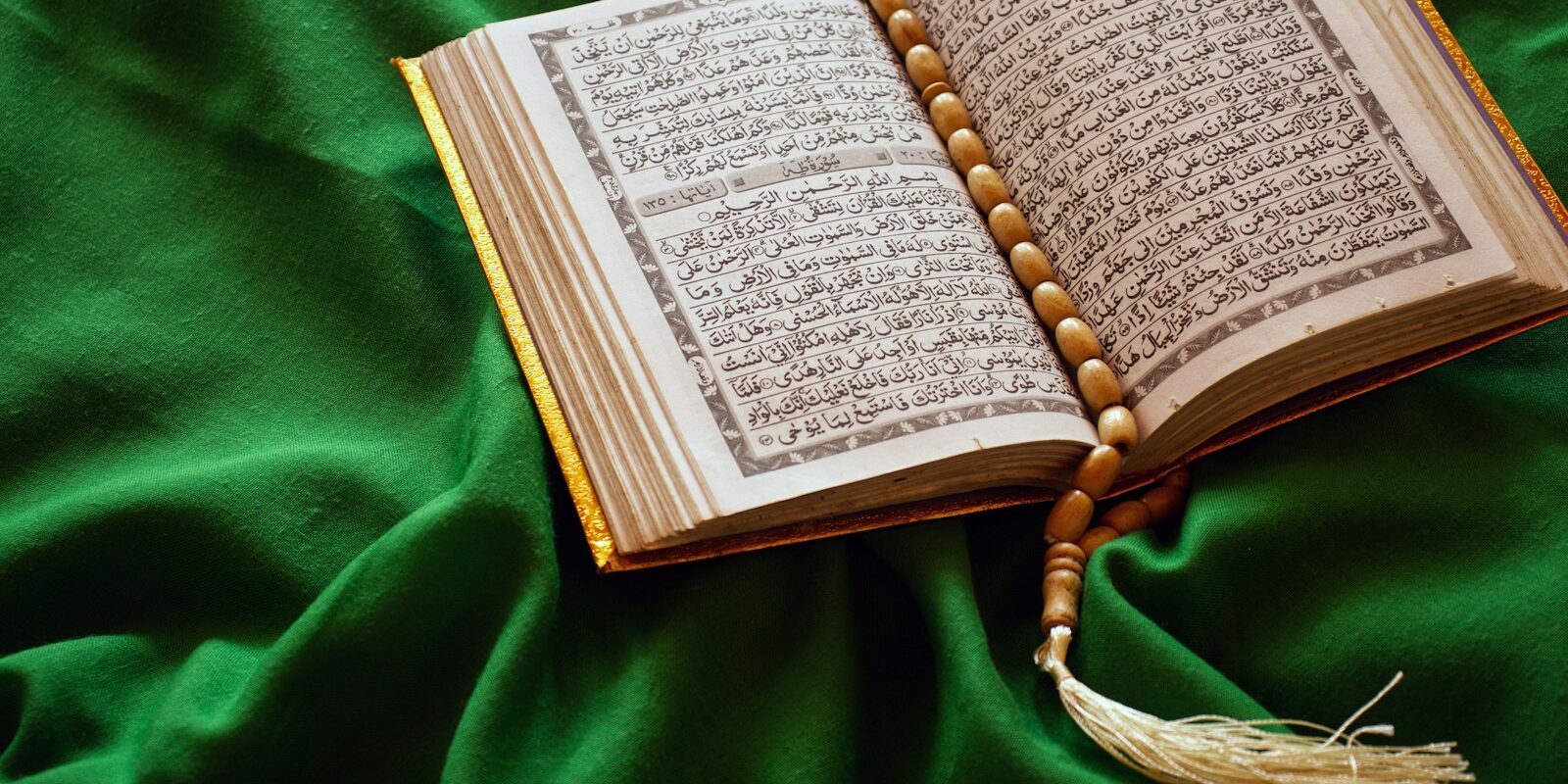
Allah is the Arabic word for God, used by Muslims and also by Arabic-speaking Christians. In that sense, yes: an Arab Christian may say Allah when speaking of the God of the Bible. But that does not mean Christianity and Islam teach the same things about him.
In evangelical belief, God has revealed himself as Father, Son and Holy Spirit, and Jesus is the Son of God who died and rose again to save us. Islam rejects these central claims. To answer the question carefully, we need to distinguish the word people use from the beliefs it expresses.
What does the word Allah mean?
The word Allah is not used exclusively by Muslims. Harvard University’s Pluralism Project, which studies religion, documents its use by Arabic-speaking Christians, Jews and Muslims. So hearing someone say Allah is not enough to identify their religion or know what they believe.
A Portuguese-speaking Christian says Deus; an English speaker says God; an Arab Christian says Allah. A change of language does not, in itself, change the speaker’s faith. Nor does it make all the religious ideas expressed through that word the same.
The more helpful question, then, is: what is this person saying about God? Sharing a word does not mean sharing the same gospel.
One God and Creator: real similarities
Christians and Muslims affirm that there is one God, the creator of all things. The Bible presents God as creator in Genesis 1:1 and affirms his oneness in Deuteronomy 6:4. The Quran, Islam’s holy book, also presents God as the creator of the heavens and the earth in 7:54.
These points of agreement make it possible to begin a conversation about who created the world and deserves our worship. They do not, however, resolve the difference over how God has revealed himself. Saying that God is one still leaves open the question of who the Father, Jesus and the Holy Spirit are.
The Christian answer is the Trinity: one God, eternally existing as Father, Son and Holy Spirit. They are not three gods, nor three names for the same person. In Matthew 28:19, Jesus names Father, Son and Holy Spirit together when commanding that his disciples be baptized; the Quran rejects the Trinity in 4:171.
When someone asks whether both are referring to the Creator, there is a shared intention to speak of the one God. When the question is whether both know and proclaim God in the same way, the answer is no. From an evangelical perspective, knowing who God is comes through Jesus, the Son, in whom he has revealed himself.
Is Jesus the Son of God?
Here lies a decisive difference. The Quran calls Jesus the Messiah and a messenger of God, but rejects the idea that God has a son, as 4:171 shows. The Quran also honors Jesus, whom it calls Isa, and states that he was born to Mary, a virgin (19:20-21). Recognizing Jesus’ importance in Islam, then, does not mean the two religions understand his identity in the same way.
In the Christian faith, Jesus is not merely one messenger among others. John 1:1-14 presents the Word as God and states that he became human and lived among us. This is what Christians call the incarnation: the eternal Son of God took on our humanity.
Calling Jesus the Son of God does not mean claiming that God had a physical relationship with Mary. It is a statement about who Jesus is and his eternal relationship with the Father. This explanation clears up a misunderstanding, but does not remove the disagreement between the two faiths.
“I am the way and the truth and the life. No one comes to the Father except through me.”
John 14:6, NIV
The cross and grace shape the answer
The difference is also evident at the cross. In 1 Corinthians 15:3-4, Paul presents Christ’s death for our sins and his resurrection as central to the gospel. The Quran, by contrast, denies in 4:157-158 that Jesus’ opponents killed or crucified him, and states that God raised him up.
In evangelical understanding, salvation depends on what Jesus has done for us. Ephesians 2:8-10 teaches that we are saved by grace, received through faith, without earning this gift through our works. Good works have a place in Christian life as the result of that salvation; they do not buy forgiveness.
This does not justify saying that Islam knows nothing of mercy: the Quran itself speaks of God’s forgiveness in 39:53. The difference lies in the foundation of the salvation Christians proclaim: the death and resurrection of Jesus. Thus, the word Allah can name the God confessed by Arab Christians, but the Islamic understanding does not correspond to God’s revelation in Christ.
Grace also guides the attitude of those who discuss their faith. If forgiveness is a gift, there is no reason to treat someone as inferior because they hold another faith. A Christian speaks as someone who also needs mercy, willing to explain their hope and acknowledge when they do not know how to answer a question.
How does this difference guide prayer for the nations?
Explaining these differences requires respect for those who think differently. In 1 Peter 3:15-16, Christians are instructed to present their hope with gentleness and respect. In a conversation, this includes listening to how the other person understands their faith, asking sincere questions and explaining our convictions without ridicule or pressure.
To turn this learning into prayer, explore the prayer campaign for Muslim peoples. It invites you to learn about one country and one people group each day during Ramadan. Pray that Muslims will come to know Jesus as Savior and that Christians will know how to speak about him clearly and lovingly.
Remember unreached peoples too, communities with little access to the gospel. Ask that they have opportunities to know Jesus and understand his message. Take a moment to pray for these people and the churches among them, asking for wisdom to share the faith respectfully and faithfully.
 Missions Christians from Hindu backgrounds in India: faith, family, and anti-conversion laws
 Missions International Day of Prayer for the Persecuted Church
 Missions World Watch List: What It Is and How It Is Compiled