Modern missions is a movement to spread the gospel that gained momentum among Protestants from the eighteenth century onward. Churches and groups of Christians began organizing prayer, financial support, and the sending of missionaries on a broader scale so they could serve among other peoples, learn their languages, and establish communities of followers of Jesus.
The word “modern” identifies a period in history, not the beginning of Christian mission. Since the time of the apostles, Christians have crossed borders to proclaim Christ, and Catholic, Orthodox, and Protestant communities have all played a part in that story at different times and in different places. What distinguished this period was the growth of organized ways for Protestant churches to take part in missions.
How the movement gained momentum
In the eighteenth century, movements of spiritual renewal stirred many Christians to share their faith beyond their own region. Among them were the Moravians, a Protestant community that brought together communal life, prayer, and the sending of missionaries. Beginning in 1732, their missionaries started serving in the Caribbean, becoming an important example for the Protestant missionary movement.
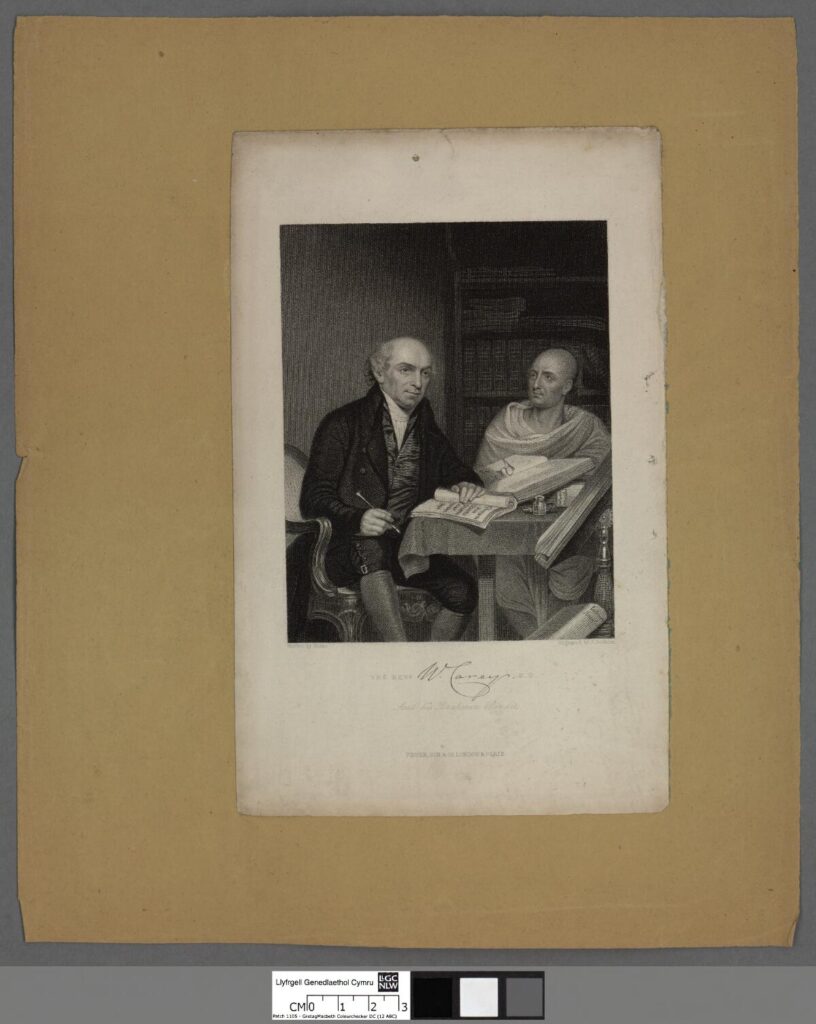
Toward the end of that century, William Carey, an English Baptist, argued that Jesus’ command to make disciples remained the church’s responsibility. He arrived in India in 1793, where he took part in Bible translation, education, and the proclamation of the gospel. His work helped inspire further efforts to send missionaries and encourage cooperation among Christians.
Carey holds an important place in this history, but he neither worked alone nor began all missionary activity. Others had gone before him, and fellow workers and local partners were indispensable. Remembering this helps us see mission as the shared work of God’s people, without reducing its history to the lives of a few well-known figures.
Mission begins with Jesus’ command
The foundation of modern missions was not a discovery of the eighteenth century. In Matthew 28:18-20, the risen Jesus sends his disciples to make disciples of all nations, baptizing them and teaching them to obey everything he commanded. This passage is known as the Great Commission, the task Christ entrusted to his followers.
Making disciples means proclaiming who Jesus is and walking alongside people as they learn to live in faith and obedience. Mission does not end with an initial decision, nor is it simply a matter of passing on religious customs. At its heart are reconciliation with God through Christ and the formation of communities that live according to his word.
Prayer is also central to this task. When Jesus saw people who were harassed and helpless, he had compassion on them and instructed his disciples to ask God for workers, as Matthew 9:36-38 describes. The image of a field ready for harvest teaches us that the work belongs to the Lord and depends on him.
“Ask the Lord of the harvest, therefore, to send out workers into his harvest field.”
Matthew 9:38
How churches became involved
The movement brought the responsibility of sending missionaries into the everyday life of many congregations. Missionary societies, associations formed to organize this work, collected offerings, prepared those being sent, and shared news of their work. People who stayed in their hometowns could therefore take part through prayer, giving, and care for those who went.
Learning languages and translating the Bible became important activities in many places. To understand Scripture, people need to grasp its words and meaning, not simply hear unfamiliar expressions in another language. This work required cooperation with local speakers, whose involvement was essential to communicating the message clearly.
Over time, local churches also began sending their own missionaries. The spread of the gospel was no longer confined to a movement from Europe or North America to other regions. Christians from Africa, Asia, and Latin America, including Brazil, became important participants in sending missionaries to other peoples.
Fruit and failures that call for discernment
This history includes Scripture translations, the founding of churches, schools, and services that cared for people. It also includes losses, conflicts, and attitudes that must be acknowledged honestly. In some settings, missionary activity became entangled with colonial interests or confused Christian faith with the adoption of foreign customs.
The gospel calls for repentance and transforms lives, but it does not give anyone permission to look down on a people. Learning their language, listening to their history, and recognizing the responsibility of local Christians are expressions of respect. Missionaries serve best when they work alongside the church that is emerging or already established, without treating its members as permanently dependent on them.
A responsibility toward all nations
In Christian mission, looking to the nations means seeing beyond political borders. A single country may be home to peoples with distinct languages and histories. Unreached peoples are ethnic groups whose local Christian community, if one exists, is still too small to bring the gospel to the entire group without outside help.
Learning about the history of modern missions can make our prayers more specific. We can ask that people gain access to Scripture in their own language, that local churches be strengthened, and that missionaries learn to serve with humility. We can also focus on a particular people group, learn about its needs, and persevere in prayer for its members.