1940–2019

Evangelist · Founder of a missionary movement

Reinhard Bonnke

Summary
German evangelist who devoted his life to direct open-air biblical preaching on the African continent. Founder of Christ for all Nations, he led crusades that drew record crowds and trained thousands of local preachers at the Fire Conferences.
Who they were
Biography

Reinhard Bonnke was born in Königsberg, East Prussia, on April 19, 1940, the son of a German army officer. As a boy, he gave his life to Christ at age nine and, soon after, felt an inner call to serve as a missionary on the African continent.

He trained at the Bible College of Wales, in Swansea, where he was deeply shaped by the prayer life of its director, Samuel Rees Howells. In 1964 he married Anni Suelze; together they pastored a small church in Germany before leaving for Africa in 1967.

The couple settled in the small kingdom of Lesotho. There, Bonnke reported hearing, on successive nights, a conviction that would come to define his entire life: “Africa shall be saved.” That certainty would later lead him to organize open-air evangelistic crusades on a continental scale.

In 1974 he founded Christ for all Nations, the organization that hosted his crusades, first in Johannesburg and, from 1986 onward, in Frankfurt. Ever larger crowds gathered under tents and open skies to hear his direct biblical preaching.

In 1984, the largest mobile tent ever built, seating 34,000, was destroyed by a storm hours before a crusade in Nigeria. The team decided to preach outdoors anyway, and the crowd exceeded 100,000 people, an episode that became a symbol of his resolve.

Not everything in his journey was free of tension. In 1991, his visit to Kano, a Nigerian city with a Muslim majority, coincided with religious riots between Muslims and Christians that left several dead, amid tensions over statements he had made about Islam. The state governor formally cleared him of blame, but the episode kept him away from the country for nearly a decade, as Nigerian authorities denied him visas.

Another grave episode marked 1999, in Benin City, also in Nigeria: a crowd estimated in the hundreds of thousands gathered for the opening of a crusade, and a crush as people pressed toward the stage left sixteen people dead and many injured. Bonnke’s organization attributed the tragedy to a lack of crowd control by local authorities.

The conversion figures his ministry publicized were also questioned by observers over the years: the tens of millions of “decisions for Christ” recorded on cards at the crusades did not always correspond, critics argued, to lasting conversions, a recurring tension in assessments of the mass-evangelism model he helped establish.

From 1986 onward, his Fire Conferences gathered tens of thousands of African pastors and leaders for training in evangelism, extending his impact far beyond the mass crusades. In 2000, a single series of services in Lagos drew record crowds over several days.

In 2009, he appointed Daniel Kolenda as his successor at the head of Christ for all Nations, and preached his final international crusade in Lagos in 2017. He died in 2019, in Florida, leaving behind a legacy of cross-cultural preaching that still inspires evangelists across Africa.
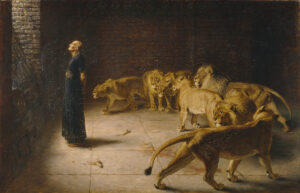
“Africa shall be saved.”
Reinhard Bonnke · Autobiography Living a Life of Fire (2009)
Timeline
1940

Birth in Königsberg

Born in East Prussia, the son of a German army officer.

1967

Beginning of ministry in Africa

He leaves with his wife, Anni, for Lesotho, marking the start of more than five decades of missionary work on the continent.

1974

Founding of Christ for all Nations

He creates the organization that would host his evangelistic crusades across Africa.

1984

Storm destroys the world's largest tent

Hours before a crusade in Nigeria, the 34,000-seat tent is destroyed; the service takes place outdoors before an even larger crowd.

1986

First Fire Conference

Gathers thousands of African pastors in Harare for training in evangelism.

1991

Deadly riots in Kano

His visit to the Nigerian city, of Muslim majority, coincides with religious riots that leave deaths; the state governor clears him of formal blame, but he goes years without a visa to return to the country.

1999

Crowd tragedy in Benin City

A crush at the opening of a crusade leaves sixteen people dead; the organization attributes the incident to a lack of crowd control by local authorities.

2000

Record crusade in Lagos

A series of services in the Nigerian capital draws record crowds over several days.

2019

Death in Orlando

He dies at age 79, in Florida, USA, after decades of cross-cultural preaching in Africa.

Works and milestones

Beginning of ministry in Africa

1967

He and his wife, Anni, leave Germany to serve as missionaries in the small kingdom of Lesotho, in southern Africa.

Founding of Christ for all Nations

1974

He creates the organization that would host his evangelistic crusades, first in Johannesburg and later in Frankfurt.

The great tent destroyed by the storm

1984

The largest mobile tent ever built, seating 34,000, is destroyed by a gale hours before a crusade in Nigeria; the preaching continues outdoors.

First Fire Conference

1986

Gathers thousands of African pastors and leaders in Harare, Zimbabwe, for training in evangelism.

The book Evangelism by Fire

1989

He publishes the work that gathers his principles of evangelism, a practical reference for generations of preachers.

Record crusade in Lagos

2000

He leads a series of services in the Nigerian capital that draw record crowds over several days.

Autobiography Living a Life of Fire

2009

He publishes the autobiography that narrates his journey and the call he summed up in the phrase 'Africa shall be saved.'

Contributions
1

Mass open-air evangelism

He reinvented the open-air evangelistic crusade on a continental scale, bringing the direct preaching of the gospel to crowds that totaled millions over decades in Africa.

2

Training of local leaders

He created the Fire Conferences, which gathered tens of thousands of African pastors and evangelists for training, strengthening the local church far beyond his own crusades.

3

Writings on evangelism

He wrote books such as Evangelism by Fire, which became a practical reference for generations of evangelists around the world.

4

Public controversy

His preaching in tense religious contexts, such as in Kano in 1991, and the crowd tragedy in Benin City in 1999, exposed the risks and limits of mass evangelism in divided societies and at events with massive crowds.

Missionary legacy

He popularized the model of mass open-air evangelistic crusades as a strategy for cross-cultural outreach, now replicated by ministries across Africa and beyond.

The Fire Conferences left behind a generation of local preachers and church leaders trained for evangelism, multiplying his impact far beyond the evangelist's own lifetime.

His commitment to direct biblical preaching reaffirmed, for the contemporary missionary movement, the priority of proclaiming the gospel before unreached crowds.

Christ for all Nations, under Daniel Kolenda, continues to hold crusades in African nations, carrying forward the vision he summed up as the calling of his entire life.

Other people