Discover
The identity of the nation
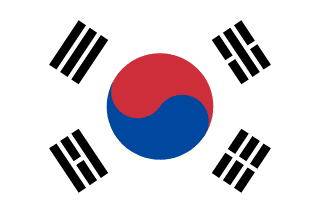
South Korea occupies the southern half of a peninsula shaped by centuries of dynasties, invasions, and, in the twentieth century, a war that forever split one people into two nations. From postwar poverty, the country rebuilt itself in just a few decades into one of the largest economies in the world, a global reference point in technology and pop culture, a living contrast between Confucian tradition and rapid modernity.
In that same period, Christianity grew as in few other places in Asia. From a few thousand believers at the start of the twentieth century, the country came to have one of the highest concentrations of churches per capita in the world, with vast congregations and a historic commitment to dawn prayer. South Korea also became one of the largest missionary-sending countries in the world, a direct fruit of the revival that shook the nation more than a century ago.
But that growth has lost momentum. New generations, raised under the pressure of studies, work, and social comparison, have drifted away from the church, seen by many as outdated or tied to leadership scandals. At the same time, old beliefs like shamanism, the search for shamans (called mudang) to solve everyday problems, still compete for hearts even in a hyperconnected society.
The wound of the peninsula’s division also weighs on the people: millions of families remain separated from relatives in North Korea, a silent grief that spans generations. Even so, the Korean church carries a singular calling, to be a bridge of hope to neighboring peoples in Asia and a refuge for those who escape isolation in the North.
Today’s South Korea calls for prayer for renewal: that faith would be lived with depth again, not merely repeated out of tradition, and that the church would recover the humility and unity that marked its early days.
- According to tradition, the kingdom of Gojoseon is founded on the Korean peninsula.
- 57 BC - 668 AD Three Kingdoms Period: Goguryeo, Baekje, and Silla vie for control of the peninsula.
- 918 Founding of the kingdom of Goryeo, from which the Western name "Korea" comes.
- 1392 Beginning of the Joseon dynasty, which rules the country for more than 500 years.
- 1443 King Sejong creates hangul, the alphabet that replaces Chinese characters and brings literacy to the people.
- 1884 Arrival of Protestant Christianity in the country.
- 1910 Beginning of Japanese colonial occupation, which lasts until 1945.
- 1945 End of Japanese occupation; the peninsula is divided along the 38th parallel.
- 1950-1953 The Korean War deepens the division and leaves millions dead and wounded.
- 1960-1980 Rapid industrialization transforms a poor country into an economic powerhouse.
- 1987 New Constitution consolidates democracy after decades of authoritarian regimes.
- Today A global technological and cultural powerhouse, with an active church amid the challenges of secularization.
-
Koreanofficial language, spoken by nearly the entire population, written in the hangul alphabet
-
Englishtaught in schools and used in business, but rarely spoken day-to-day outside major cities
-
Korean Sign Languageofficially recognized, used by the country's deaf community
South Korea occupies the southern half of a mountainous peninsula in East Asia, between the Yellow Sea to the west and the East Sea, also called the Sea of Japan, to the east. About 70% of the territory is covered by mountains, which concentrates most of the population on coastal plains and fertile valleys, especially around Seoul. To the north, a neutral strip along the 38th parallel separates the country from North Korea since the end of the Korean War.
Major cities
- SeoulCapital and largest city, the country's financial, technological, and cultural center
- BusanSecond-largest city, the main port and a hub for film and beach tourism
- IncheonPort city neighboring Seoul, home to the country's largest international airport
- DaeguInland industrial hub, known for its textile and fashion tradition
- GwangjuAdministrative center of the southwest, remembered for the historic 1980 pro-democracy uprising
- JejuVolcanic island to the south, home to Mount Halla, the country's highest point, and beaches popular with tourists
Climate and temperature
Kimchi
Fermented napa cabbage with chili, garlic, and ginger, served with practically every Korean meal.
Bibimbap
Rice served with assorted vegetables, meat or tofu, an egg, and chili paste (gochujang), all mixed together before eating.
Bulgogi
Thinly sliced beef marinated in soy sauce, garlic, and sesame oil, then grilled.
Tteokbokki
Rice cakes cooked in a spicy, slightly sweet gochujang-based sauce, a very popular street food.
Japchae
Sweet potato glass noodles stir-fried with vegetables and meat, seasoned with soy sauce and sesame.
Samgyeopsal
Thick slices of pork belly grilled at the table, served with lettuce leaves for wrapping.
Understand
Culture and spirituality
2a · The culture
Jeong, the bond of affection
A deep feeling of affection and loyalty that unites families, friends, and colleagues over time
Respect for elders
Age shapes language, greetings, and everyday relationships, a legacy of Confucianism
Culture of collective effort
The good of the group, family, school, or company usually comes before individual interest
Education as a priority
Families invest enormous time and resources in their children's education, seen as a path of honor
Coffee shop life
Coffee shops occupy nearly every corner and have become spaces for meeting, studying, and resting
Global influence of pop culture
Korean music, dramas, and cinema, known as Hallyu, have made the country famous worldwide
- Writing names in red ink Traditionally associated with death, it can frighten or offend
- Abruptly refusing offered food or drink Accepting, even out of politeness, is a sign of respect for hospitality
- Using only one hand to give or receive something from an elder The correct way is to use both hands or support one arm with the other
- Openly criticizing someone in front of others Causing someone to lose "face", their social standing, is a serious offense
- Speaking loudly or touching strangers on public transport Personal space and silence are highly valued in shared spaces
- Ignoring age hierarchy in conversations Treating everyone as equals without acknowledging age or position comes across as impolite
2b · The field
Areas of spiritual battle and cultural captivity to cover in prayer. Tap each point to understand:
The pursuit of status, brands, and consumption occupies the center of life amid the prosperity of the cities.
Pressure for academic and professional success begins early and never lets up.
Many families still turn to shamans, known as mudang, to solve everyday problems.
Confucian respect for ancestors sometimes becomes religious veneration.
The emphasis on position and age makes it difficult to express doubt or vulnerability, even in matters of faith.
Overwork and social isolation fuel exhaustion and hopelessness, especially among the young.
New generations see faith as something from the past, distant from real life.
Rivalries between denominations and leadership scandals wear down the Christian testimony.
Pop culture and the pursuit of recognition become an almost religious ideal for young people.
The separation from North Korea leaves emotional scars on millions of families.
Pride in the country's success can close hearts to spiritual need.
Foreign workers are often left on the margins of the local church and society.
Religious freedom is guaranteed by law, and South Korean Christians live without persecution from the State. The church’s greatest challenge today comes not from outside but from within: a wave of secularization that empties churches, especially among the young, who see faith as something distant from real life.
Leadership scandals in large churches, tied to money and abuse of power, have damaged the public image of Christianity and driven away many who once drew near to the gospel. At the same time, Christian families face silent pressure: talking about faith at work or among colleagues can seem out of place in an increasingly pragmatic and competitive society.
For the few converts from Buddhist families or the older shamanistic tradition, the greatest difficulty is usually within the family, not legal: parents and grandparents may react with sadness or resistance to a choice seen as a break from ancestral tradition.
The persecution score runs from 0 to 100: the higher it is, the greater the pressure on Christians.
Joshua Project counts 30 people groups in South Korea, of which 13 (43.3%) are still considered unreached, most of them made up of foreign worker communities and ethnic minorities from other Asian countries. Together, these groups total around 489,000 people, less than 1% of the total population. The vast majority of South Koreans, more than 95%, already live in contexts considered significantly reached by the gospel, the fruit of the church's strong historical growth in the country.
- 489K Unreached 0,9%
- 180K Minimally reached 0,3%
- 50K Superficially reached 0,1%
- 1.4M Partially reached 2,7%
- 49.5M Significantly reached 95,9%
- 13 Unreached 43,3%
- 1 Minimally reached 3,3%
- 4 Superficially reached 13,3%
- 8 Partially reached 26,7%
- 4 Significantly reached 13,3%
Source of people group data: Joshua Project (joshuaproject.net). Estimates, may vary.
Birmanês
Malay Frontier
Japonês
Sul-asiático de fala bengali
Kyrgyz Frontier
Western Punjabi Frontier
Urdu Frontier
Source: Joshua Project. Estimates, may vary.
Pray
Intercede for this nation
Every nation carries a redemptive purpose. Marks that seem woven into the identity God desires to restore:
Go
Practical details for those who want to go
Local time
Cost of living
daily special at a casual restaurant
Cost by city
Reference values (source: Numbeo). Confirm before traveling.
Practical points for those who go
- Learn a few words in Korean: English is not widely spoken outside tourism and business settings.
- Use both hands to give or receive something from an older person, a sign of respect.
- Take off your shoes when entering homes and many other indoor settings.
- A "I'll think about it" is usually a polite way of saying no, understand the hint.
- Public transportation is efficient and punctual, a great way to see the country.
- Use local apps like Naver Map or Kakao Map to get around, Google Maps has limited functions in the country.
- The T-money card makes it easy to pay for buses, subways, and convenience stores.
- Tipping is not expected or customary in restaurants or taxis.
- Bring a protective mask in spring, when fine dust arrives from the continent.
- Fast, free Wi-Fi is available in almost every public place.
Send and sustain
Not everyone goes, everyone takes part
Not everyone goes. Everyone takes part.
Behind every worker among these peoples stands a network of people who pray without ceasing, care for the family left behind, and faithfully sustain the work. Sending is mission too.
Start with your church: introduce this nation, adopt it in ongoing prayer, and walk alongside those God is raising up to go.