History
Christianity in Asia: the Church of the East, India and China
Christianity began in Asia and reached Persia, India and China early in its history. Today, the continent is home to most of the peoples who have yet to hear the gospel.
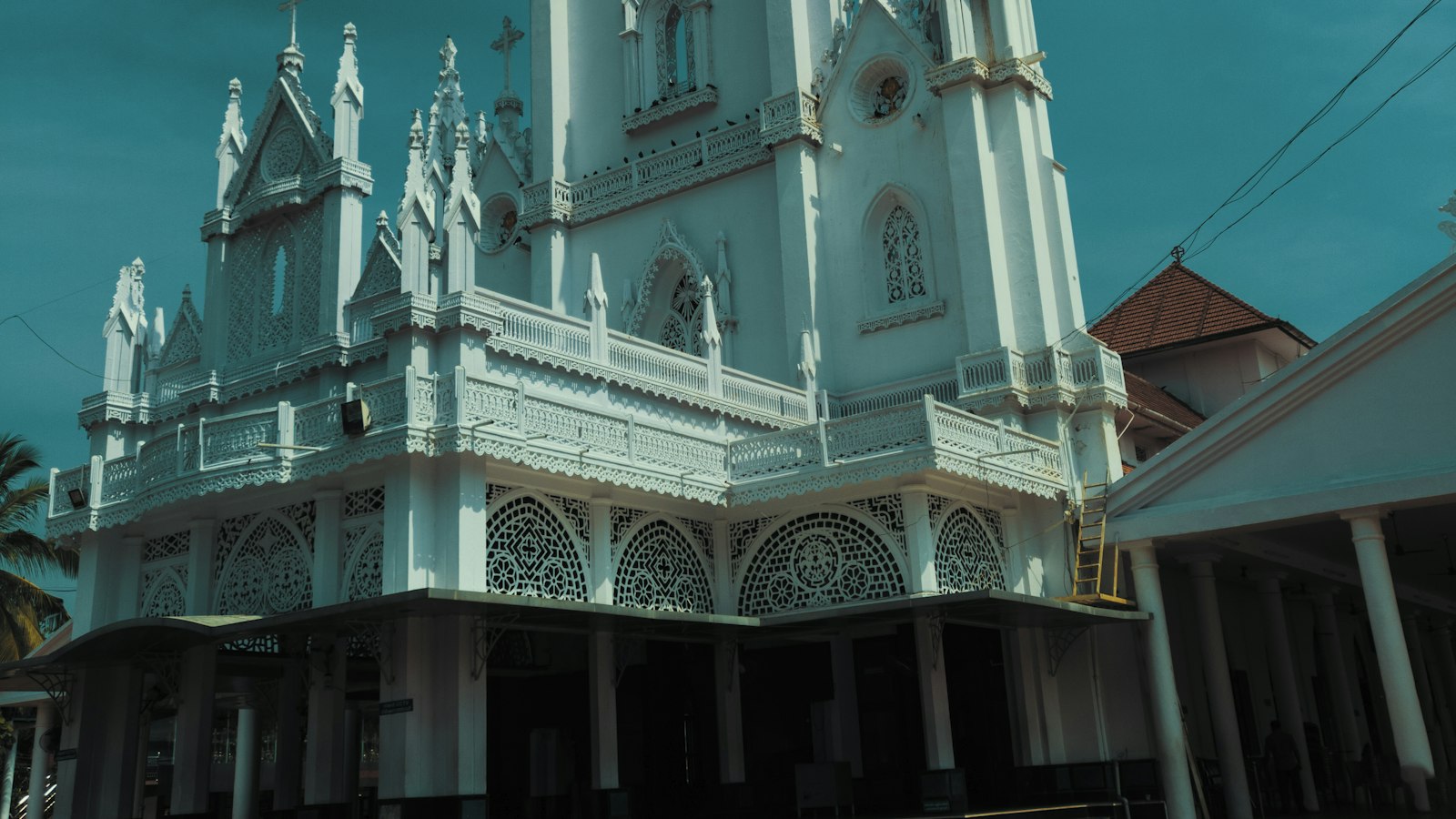
Christianity began in Asia, in the Middle East, rather than in Europe. Churches already existed in Persia in the early centuries, and tradition speaks of Christians in India. Later, around the year 635, the faith reached China. Periods of decline followed, along with the return of missionaries in the eighteenth and nineteenth centuries and, in the twentieth century, the growth of local churches in countries such as South Korea.
Despite this ancient history, Asia is now the continent where most of the peoples who still lack a strong church among them live.
The Church of the East
The Church of the East is the name given to the Christian communities that grew east of the Roman Empire, spreading from Mesopotamia, the region between the Tigris and Euphrates rivers in what is now Iraq. The book of Acts tells us that Parthians, Medes, Elamites and residents of Mesopotamia, peoples from that region, were in Jerusalem on the day of Pentecost (Acts 2:9).
In 410, this church organized itself as the church of the Persian Empire, Rome’s rival, and from 424 onward it declared itself independent of the church in the Roman Empire. Its seat remained for centuries in Seleucia-Ctesiphon, in Mesopotamia. Over time, it carried the faith to distant parts of Central Asia, including some Mongol peoples.
The Thomas Christians in India
According to an ancient tradition, the apostle Thomas arrived on the coast of Kerala, in southern India, in the year 52. Historians debate whether this visit actually took place, so it remains a tradition rather than an established fact. What is certain is that the community known as the Saint Thomas Christians, a very ancient Christian community, still lives in Kerala today.
Centuries later, in 1793, the Englishman William Carey arrived in Calcutta. A year earlier, in 1792, he had helped found the Baptist Missionary Society in England, which sent him out. He is remembered as one of the pioneers of modern Protestant missions.
Christians reach China
In 635, during the Tang dynasty, a monk of the Church of the East named Alopen arrived in Chang’an, China’s capital at the time, now the city of Xi’an. Emperor Taizong received him. An inscribed stone, the Xi’an Stele, erected in 781, is one of the best-known records of this Christian presence in China.
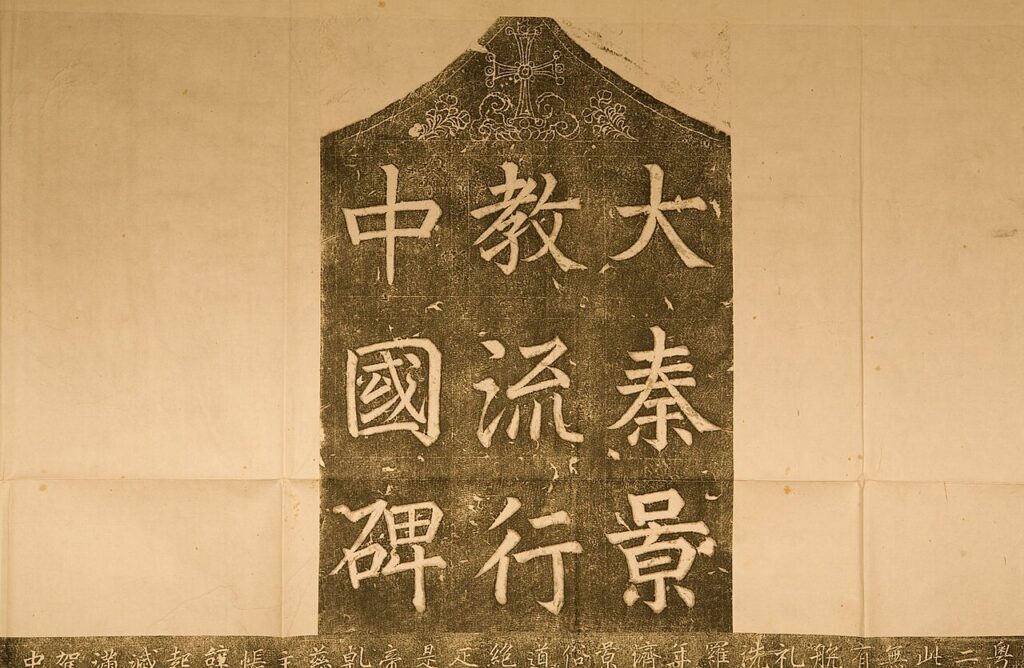
The stele was buried in 845, probably during a persecution of Buddhism that also affected Christians. In the fourteenth century, the Church of the East also declined in the Middle East amid persecution by the conqueror Tamerlane.
Missionaries arrive later
In 1807, the Englishman Robert Morrison arrived in Macau, in southern China. He completed a translation of the entire Bible into Chinese, published in 1823. In 1865, Hudson Taylor, also English, founded the China Inland Mission with the aim of taking the gospel to the country’s inland regions.
In Myanmar, the American missionary Adoniram Judson arrived in 1813 and completed a translation of the Bible into Burmese in 1834. During the war between Britain and Burma, he was imprisoned for more than a year.
Korea, the Philippines and Timor-Leste
In Korea, the first Protestant church, at Sorae, was founded in 1883, and missionaries Robert Maclay and Horace Allen arrived in Korea in 1884. According to the 2005 census, about three in ten South Koreans identified as Christians.
In the Philippines and Timor-Leste, the majority of the population is Catholic. These are the only two countries in Asia where this is the case.
What Asia teaches us about the nations
According to Joshua Project, which compiles data on the world’s peoples, there are more than 4,000 unreached peoples in the world (counting each people group only once). These are groups with so few Christians that they have no way to hear the gospel on their own. Most of them are in Asia, especially South Asia, Northeast Asia, Southeast Asia and Central Asia.
History shows that the faith reached Asia early and that ancient churches also faced persecution and decline. This gives us reason to pray for the churches in Asia today, many of them small, and for the peoples still waiting for someone to tell them the story of Jesus in their own language.
 History Who were the tax collectors and why were they hated
 History Who were the Sadducees?
 History Who were the Samaritans and why did Jews and Samaritans not get along