Missions
Christians in the Middle East: ancient churches that endure
Learn about Copts, Assyrians, Chaldeans, and other Middle Eastern Christians, their ancient roots, emigration, and how to pray for their churches.
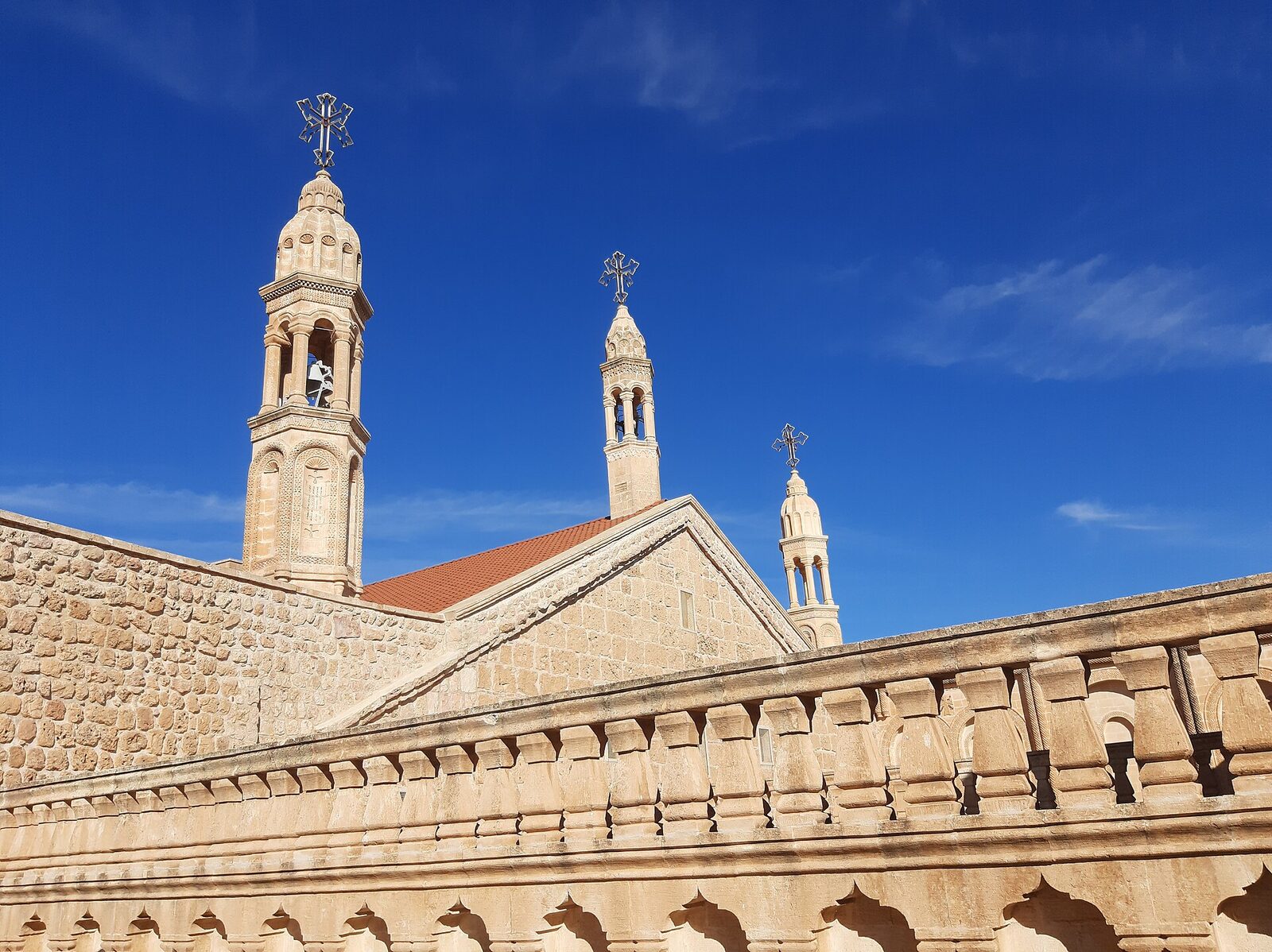
Christians in the Middle East belong to communities that are among the oldest in Christian history. They include the Copts of Egypt, the Assyrians and Chaldeans of Iraq, and the churches of Syria and Lebanon. Their roots predate the spread of Islam and modern European missions.
These communities have different traditions and face different circumstances in each country. Emigration has reduced the Christian presence especially in Iraq and Syria, but their churches continue to gather believers within and beyond the region. Understanding this history helps us pray for real people without reducing their lives to persecution or statistics.
The Copts and Egypt’s Christian history
According to the tradition preserved by the Coptic Orthodox Church, Mark the Evangelist proclaimed the faith in Alexandria in the first century. The city became an important center of Christian teaching. In recounting this origin, it is appropriate to distinguish the tradition about Mark from historical documentation, without presenting every detail as equally well established.
Most Egyptian Christians belong to the Coptic Orthodox Church, although there are also Catholic and Protestant Copts. The word Coptic therefore does not identify just one denomination: it also expresses a Christian identity linked to Egypt.
Part of this continuity can be seen in the Coptic language, a late form of ancient Egyptian preserved in church life. The World Council of Churches explains that books used in worship present Coptic and Arabic texts side by side. This history also includes Egypt’s monasteries, communities devoted to prayer and religious life.
This heritage does not remove today’s difficulties. In a February 2025 update, the United States Commission on International Religious Freedom (USCIRF) records difficulties obtaining permits to build and renovate churches. Praying for Copts includes asking for freedom to gather as a community, equality before the law, and conditions that allow parents to teach their faith to their children.
Assyrians and Chaldeans in Iraq
In Iraq, an important part of Christian history is linked to the Church of the East, which developed in ancient Mesopotamia and Persia, in areas now belonging to Iraq and Iran. According to the World Council of Churches, this tradition also carried the gospel to other parts of Asia, reaching China in the 7th century.
The Assyrian Church of the East and the Chaldean Catholic Church share part of this heritage but have their own structures and histories. The Chaldean tradition entered communion with Rome following divisions in the 16th century. Syriac, a form of Aramaic, holds an important place in this history and in the texts used in their worship.
The Iraqi community has declined substantially. Estimates vary, and the most frequently repeated figure is around 150,000 Christians today, compared with about 1.5 million in 2003. The difference between them is not an exact count of people who emigrated.
Emigration helps explain why these churches also exist in Europe, the Americas, and Australia. This dispersal is called a diaspora: a community comes to live in different countries while maintaining ties to its place of origin. In prayer, this broadens our concern to those who remain in Iraq and those who have started over far away.
Christians in Syria and the departure of families
The link between historical Syria and the beginnings of the church appears in the New Testament. Acts 11:26 tells us that the disciples were first called Christians in Antioch. This city was an important center of the early church, although the borders of that time do not correspond to those of today’s countries.
Syrian Christians belong to different churches, including the Orthodox Church of Antioch, the Syriac Orthodox Church, Armenian churches, and Catholic and Protestant churches. The World Council of Churches records this diversity and the use of Arabic in Orthodox worship. In the Syriac tradition, Syriac continues to be used alongside local languages.
A report from the UK Home Office, published in February 2026, brought together estimates of between 300,000 and 579,000 Christians in Syria and emphasized the lack of reliable population data. The document links the decline in the Christian population since the start of the war in 2011 to emigration. The difference between the estimates calls for caution.
The church’s continuity also needs to be considered beyond Syria’s borders. A study published by Brandeis University in December 2025 argues that Middle Eastern Christianity is being reconfigured, rather than simply lost, and analyzes the role of the diaspora. Emigration thus changes where these communities live and how they maintain their ties without bringing their history to an end.
Lebanon and its different churches
In Lebanon, Maronites form the largest Christian community, according to the World Council of Churches. Their name is linked to Maron, a religious figure who lived in Syria in the 4th century. Their tradition took root in Lebanon and is part of the Catholic Church, preserving its own forms of worship in Arabic and Syriac.
The country also has Orthodox communities, Armenian communities, other Catholic churches, and Protestant churches. This variety calls for care with expressions such as Eastern church, which encompasses different histories. Lebanese Christians play an important role in public life, and the country’s presidency is traditionally reserved for a Maronite Christian within the system of power sharing among religious communities.
Concern about the future appears in research on emigration. In 2024, Arab Barometer found that 38% of Lebanese citizens surveyed were considering emigrating. This figure covers people of different religions and measures intentions rather than actual departures. Among respondents considering leaving, economic reasons were the most frequently cited.
Prayer for Lebanon can therefore include work and prospects for younger generations, without attributing every departure from the country to religious persecution. The existence of Maronite communities abroad also reminds us that staying and emigrating are both experiences that call for care. We can ask for wisdom for families without judging their decisions.
How to pray for these churches and the nations
Paul teaches that Christians should care for one another as parts of the same body. This instruction helps turn reading about distant communities into concern and prayer. Rather than seeing only unfamiliar denominations, we can remember that these are people who confess Jesus and want to follow the faith.
“If one part suffers, every part suffers with it; if one part is honored, every part rejoices with it.”
1 Corinthians 12:26, NIV
As you pray, mention each country and its needs: freedom for Egyptian communities to gather, continuity for Iraqi churches, care for dispersed Syrian families, and prospects for life in Lebanon. Ask also that Christians may know the Scriptures deeply and share the gospel humbly, respecting their neighbors’ freedom and dignity.
Mission among the nations includes supporting these churches in prayer and remembering unreached peoples, those with little access to the gospel. We can ask that local communities have wisdom to speak about Jesus in their own languages and cultures. Pray also for respectful relationships among Christians, Muslims, and people of other beliefs.
The prayer campaign for the persecuted church invites us to maintain this care. Set aside a moment today and pray: Lord Jesus, strengthen these communities, give wisdom to their leaders, and support the families who stayed or left. Help each church teach your Word and love its neighbors. Amen.
 Missions Is Allah the Same God Christians Worship?
 Missions Christians from Hindu backgrounds in India: faith, family, and anti-conversion laws
 Missions International Day of Prayer for the Persecuted Church