Missions
Post-Christian Europe: mission where faith has grown cold
Europe was once the center of Christianity, but today many Europeans call themselves Christians without attending church. See why Europe still needs mission.

For centuries, Europe was the center of Christianity in the world. Today, in many European countries, most people still identify as Christians, but few go to church or read the Bible. That is why Europe is called “post-Christian”: a continent shaped by the Christian faith, but where that faith has grown cold for many people.
Discover how Europe reached this point and why it is still a mission field.
A vision led Paul to Europe
According to the book of Acts, the apostle Paul received a vision during the night: a man from Macedonia, a region north of Greece, was asking for help. Paul understood that God was calling him to preach there, and he went to Macedonia (Acts 16:9-10).
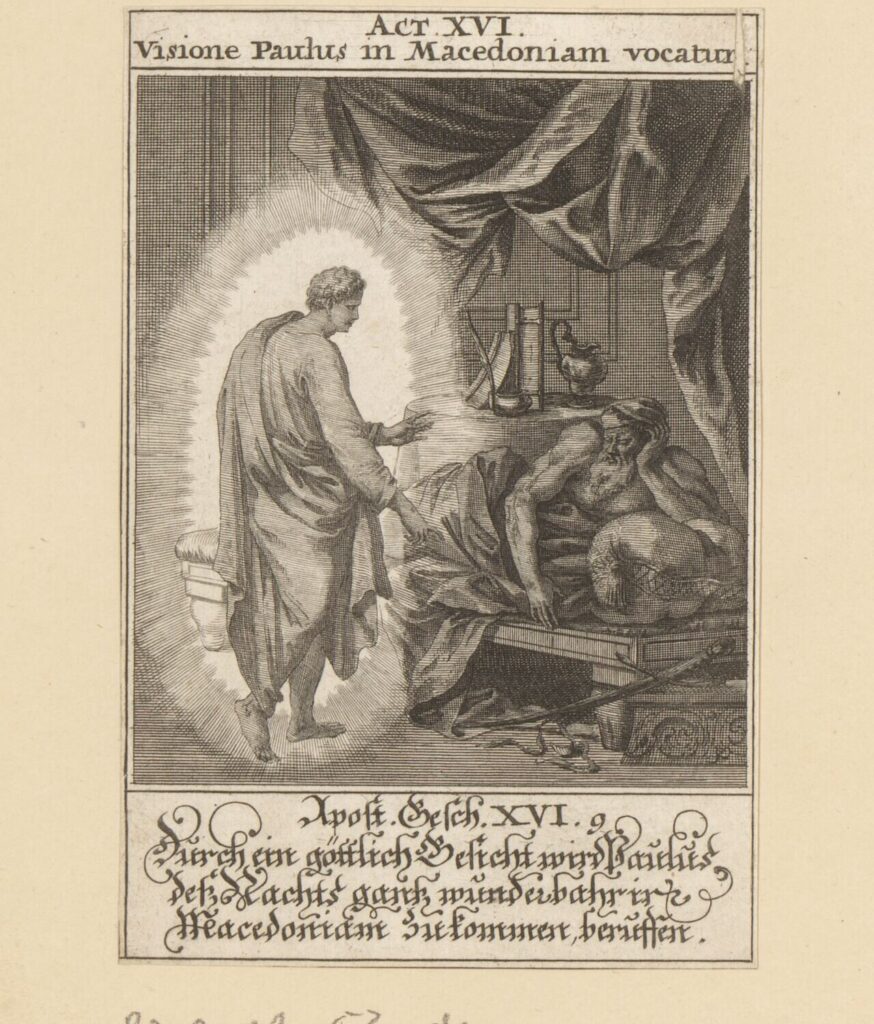
“Come over to Macedonia and help us.”
Acts 16:9
Macedonia thus became one of the first places in Europe to hear the gospel, in cities such as Philippi. Over the centuries, Christianity spread across the continent. Around the ninth century, the brothers Cyril and Methodius brought the gospel to the Slavic peoples, and tradition credits them with creating an alphabet to write their language.
The Reformation and European missionaries
In 1517, the German monk Martin Luther made public his 95 theses, a text criticizing practices in the church of his day. This event is remembered as the beginning of the Protestant Reformation, a movement that placed the Bible at the center of faith once again and gave rise to Protestant and evangelical churches.
Europe also sent missionaries to other continents. William Carey, an Englishman, left for India in 1793. For a long time, Europeans were the ones who “went” to bring the gospel to other peoples.
What does “post-Christian” mean?
The Pew Research Center, an American research institute, conducted a survey in 15 Western European countries in 2017 and published the results in 2018. It showed that most adults still identify as Christians, but many of them rarely attend church. It also showed that fewer people identify as Christians today than were raised as Christians.
This means that, for many people, being Christian is a matter of tradition or nationality rather than a faith they live out.
A different kind of mission
For many Europeans, Christianity seems familiar, but that does not mean they have a personal understanding of the gospel. Speaking about Jesus in Europe therefore calls for patience, friendship and respect, without treating people as though they were enemies of the faith.
This is not a task for foreigners alone. In every country, local churches, however small, have an important role. Missionaries from other continents can also help.
Europe and the nations
Praying for the nations includes praying for Europe. It is a continent with millions of people who grew up in a culture with Christian roots and who need to hear the gospel as living good news, rather than simply as part of history.
It is also a meeting place: people from many peoples now live in European cities, opening doors for the gospel to reach those who have not yet heard it. Pray for Europe’s churches to be renewed and for Christians from all parts of the world to serve together there.
 Missions Is Allah the Same God Christians Worship?
 Missions Christians from Hindu backgrounds in India: faith, family, and anti-conversion laws
 Missions International Day of Prayer for the Persecuted Church