History
Revivals: renewal of faith and proclamation of the gospel
What characterizes a revival, how some movements shaped church history, and why renewal of faith should lead to care for other peoples.
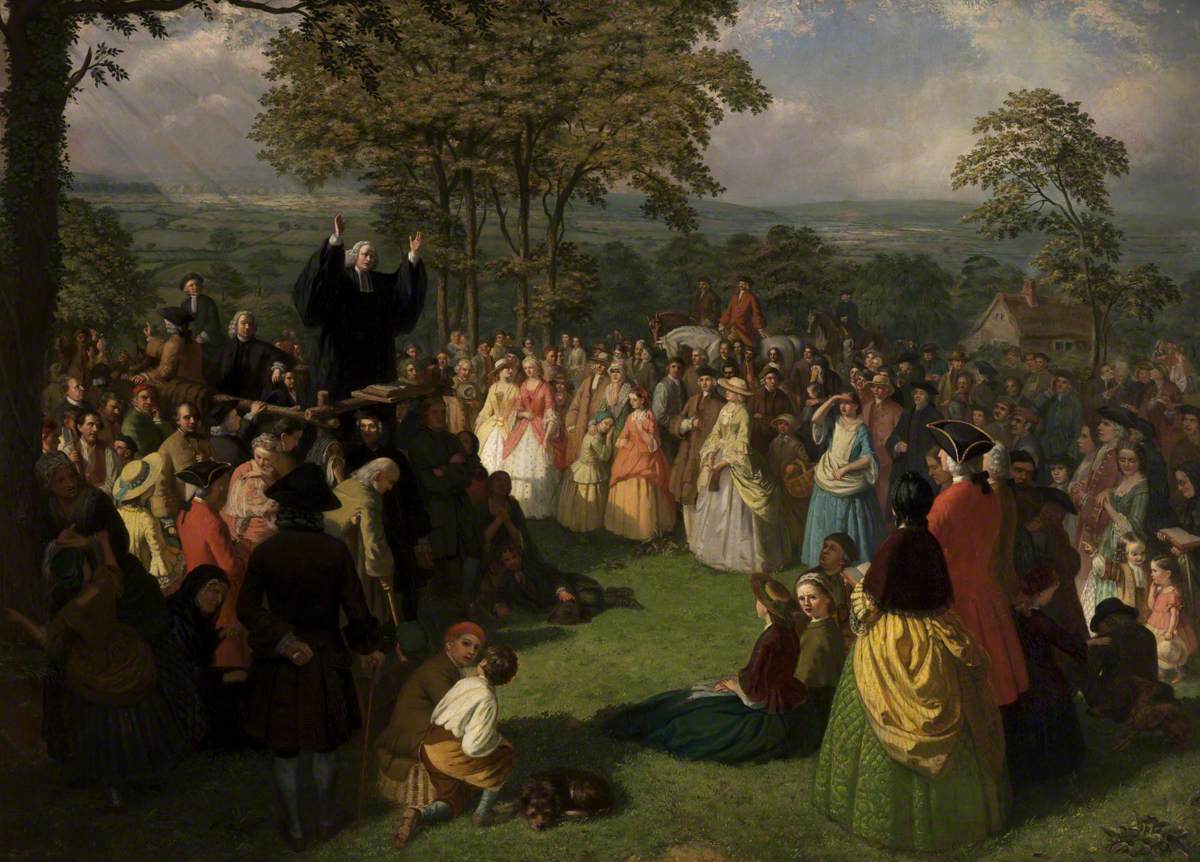
Revival is a period of renewal in the Christian life of a community. In evangelical understanding, this renewal comes through the work of the Holy Spirit and is expressed in returning to God, acknowledging sins, prayer, and love for others. It may also be accompanied by others coming to faith in Jesus.
The word appears in accounts of movements that differ from one another. The word is used for very different movements. To understand each account, it is therefore necessary to know what happened and assess what was taught and the results in the light of the Bible.
Returning to God in the Bible
In Psalm 85:1-7, the people recall the forgiveness they have received and ask once again for God’s restoration. The prayer acknowledges that renewal depends on the Lord and aims at joy in him. This request helps explain why Christians pray for revival rather than treating renewal as something they can produce on their own.
“Will you not revive us again, that your people may rejoice in you?”
Psalm 85:6
Acts 2:37-47 presents people who receive the message about Jesus, repent, and are baptized. Repentance means acknowledging sin and turning back to God with a willingness to change one’s life. The account continues with teaching, prayer, shared meals, and help for those in need. The response to the message becomes part of life in community.
The awakening on both sides of the Atlantic
During the 1730s and 1740s, movements of religious renewal reached England, Wales, Scotland, and the British colonies in North America. This series of events became known as the Great Awakening. According to the United States Library of Congress, the preaching emphasized the “new birth,” the change of life that God himself produces in those who believe.
Jonathan Edwards was a pastor in Northampton, in what is now the state of Massachusetts, where a church experienced a revival in 1734 and 1735, before the movement spread. Edwards wrote about the events and sought to explain their significance. George Whitefield, another preacher associated with the awakening, proclaimed the Christian message in England and the American colonies, drawing crowds to outdoor meetings.
These movements also provoked debate and divisions in churches. Understanding their history therefore requires attention both to conversions and interest in faith and to the conflicts that occurred. The name of a movement alone does not settle the assessment of everything its participants said or did.
The gatherings in Wales and on Azusa Street
In Wales, Evan Roberts was among the well-known leaders of the revival of 1904 and 1905. Accounts describe meetings filled with prayer and singing, and news of what was happening spread beyond Wales.
In Los Angeles, in the United States, the Azusa Street meetings gained prominence in 1906 under the leadership of William J. Seymour, a Black pastor. According to the historical archive of the Flower Pentecostal Heritage Center, Seymour preached reconciliation between people of different races, and the community emphasized spiritual gifts, abilities granted by the Holy Spirit for service.

Azusa became an important point of reference for Pentecostalism, a Christian movement that gives particular attention to the work of the Holy Spirit and spiritual gifts. Thousands of visitors from several countries passed through, and the group’s publications helped spread news of the events. Evangelicals interpret some of these manifestations differently, but they can study this history with respect and attention to Scripture.
How to assess the results
In 1 John 4:1-3, Christians are instructed to examine messages that claim to be spiritual. The passage centers on the true acknowledgment of Jesus Christ, who came as a human being. Applied to accounts of revival, this principle requires us to ask whether the teaching remains faithful to Jesus and the biblical message.
Galatians 5:22-23 describes the fruit of the Spirit, the qualities his work produces in the lives of those who believe. Love, patience, kindness, and self-control are among them. These criteria help us observe how people treat one another, including after the meetings end and the community’s everyday life continues.
Renewal of faith and the nations
The relationship between prayer and sending appears in Acts 13:1-3. While the church in Antioch was worshiping and fasting, the Holy Spirit called Barnabas and Saul to a work. The community prayed and sent them off. This example invites churches to combine seeking God with a willingness to share the gospel beyond their own gatherings.
This includes unreached peoples, groups that do not yet have a Christian community able to proclaim the gospel to their own people without outside help. As it prays for renewal, a church can choose one of these peoples, find out where they live and what language they speak, and pray for them by name. It can ask God to prepare people to proclaim Jesus there and strengthen the few Christians who already live among them.
Prayer can also lead to concrete decisions: preparing those who will be sent, learning another language, and faithfully supporting the work. This is what happened in Antioch: the same church that sought God sent two of its leaders. Seeking renewal of faith includes making ourselves available to God to love and serve beyond our own circle.
 History Who were the tax collectors and why were they hated
 History Who were the Sadducees?
 History Who were the Samaritans and why did Jews and Samaritans not get along