Missions
The church in India today
Explore the history of the church in India, its presence in the South, Northeast, and North, current challenges, and how to pray for Christians and the country’s peoples.
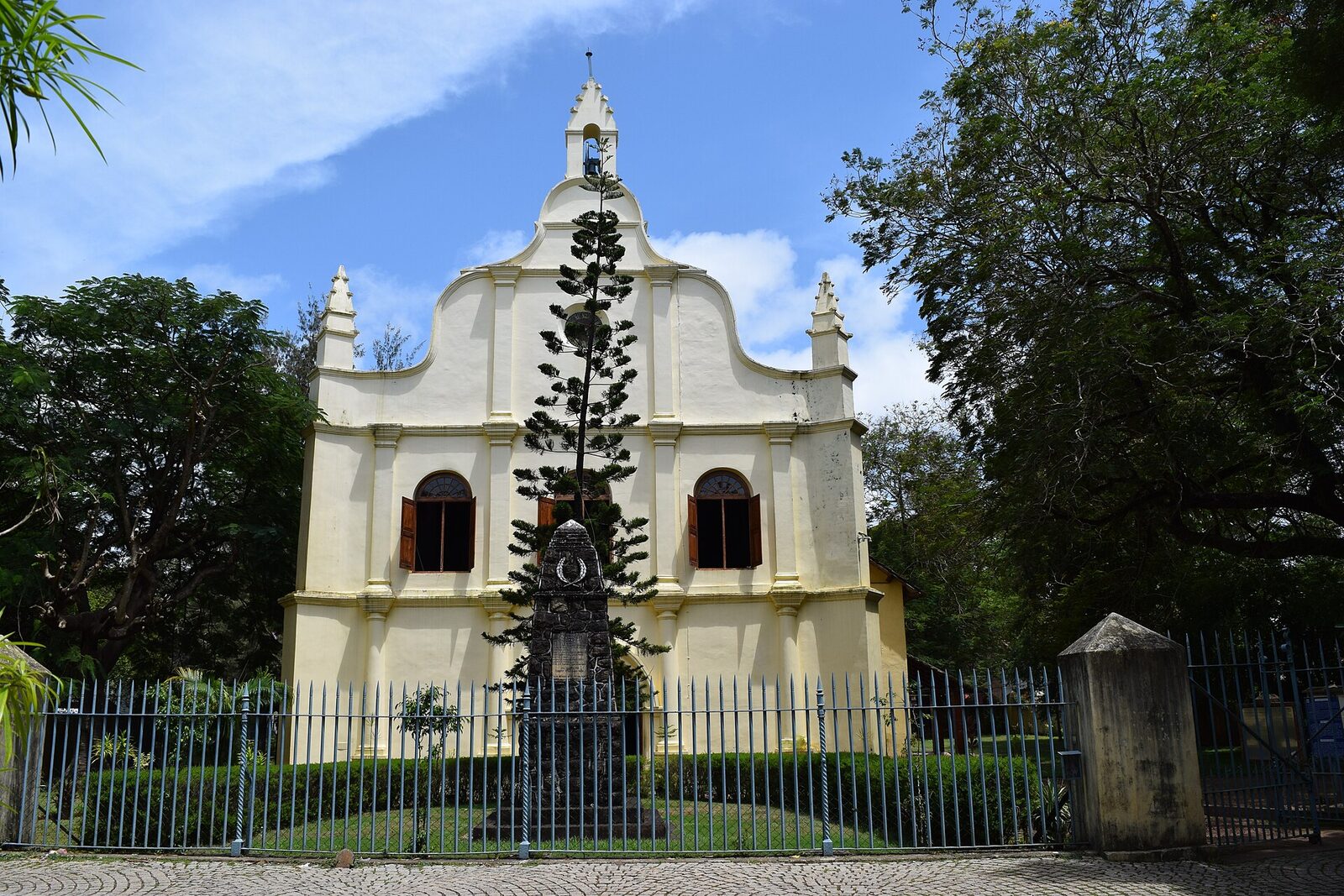
The church in India today brings together ancient Christian communities and people who have begun following Jesus more recently. Its presence is very uneven: there are large concentrations of Christians in the South and parts of the Northeast, while across extensive areas of the North they form a small minority. Understanding these differences helps us learn about the country and pray for specific needs.
In the 2011 census, Christians accounted for around 2.3% of India’s population, a figure the Pew Research Center analyzed in 2021. This includes different Christian traditions, rather than Evangelicals alone. It is a snapshot of that year, which needs to be distinguished from local reports of new churches and conversions.
A history predating the arrival of Europeans
Christians in South India trace their origins to the apostle Thomas, one of Jesus’ disciples. This is an ancient tradition of the communities known as Saint Thomas Christians. Historians continue to debate the details of the apostle’s journey, so this connection should be presented as a tradition, without claiming a proven arrival date.
The antiquity of these communities does, however, have historical support. An academic article published by Cambridge University Press in 2026 concludes that there was an established Christian community in South India at least by late antiquity, centuries before European colonial expansion. This history helps us see that the Christian faith has deep local roots and cannot be explained solely by the British presence.
William Carey belongs to a later stage of this history. The English Baptist missionary arrived in India in 1793 and worked on Bible translation and education with Indian colleagues and scholars, according to his biography available at Boston University. His work is important to Protestant history, but the Indian church existed long before him.
Today, speaking about the church in the country means recognizing different communities and histories. Pew’s research published in 2021 records Catholics, Baptists, and members of the Churches of North and South India, among other traditions. Overall figures for Christians should therefore not be presented as though they describe a single denomination.
The South and Northeast have a greater Christian presence
In the South, Kerala and Tamil Nadu are among the main centers of the Christian population. In the Northeast, Christians were a majority in Nagaland, Mizoram, and Meghalaya in the 2011 census, analyzed by Pew in 2021. These names matter because they reveal different realities: being a majority in a small state does not mean having more Christians than a minority in a very populous state.
Growth also needs to be placed in its historical context. Between the 2001 and 2011 censuses, Tamil Nadu in the South and Meghalaya in the Northeast saw the largest increases in the number of Christians, according to the same study. This allows us to speak of expansion during that period, without turning old data into a present-day growth rate.
For the South, there is also a specific indication of conversions. In the survey conducted by Pew between 2019 and 2020 and published in 2021, most respondents who had left Hinduism and become Christians lived in that region. The survey helps explain the South’s role, but it does not measure how many churches are opening today.
These differences call for care when hearing news about India. An account of one community may be true and still describe only that place. To pray thoughtfully, it helps to distinguish between the strengthening of established churches, the arrival of new members, and the need to share the faith with other groups.
In the North, the Christian presence is small; caste matters too
In states such as Uttar Pradesh and Bihar, in the north and east of the country respectively, Christians made up less than 1% of the population in the 2011 census. The state table published by Pew in 2021 shows this contrast with parts of the South and Northeast. The expression “there is almost no church” needs to be used carefully: there are Christians in these places, although they are a very small proportion of the population.
The map also needs to be read alongside social relationships. Caste is a social position inherited from one’s family, which can influence friendships, marriage, and employment opportunities. Pew’s research published in 2021 shows that this identification cuts across different religions, including Christianity. Becoming a Christian does not automatically erase these relationships or the prejudices attached to them.
In the survey conducted between 2019 and 2020, most Christians identified with historically disadvantaged castes or tribal communities, groups recognized in India for their distinct origins and identities. Upper castes accounted for a smaller proportion of the Christians interviewed. There were therefore Christians from different social backgrounds, who should not be treated as a single bloc.
There are important historical differences in this area. A study by Rowena Robinson, published in 2010, describes the social standing of ancient Christian communities in Kerala and documents caste divisions among Christians as well. For the Church, this brings a concrete responsibility: to welcome people from every background and confront prejudice within its own community.
Religious freedom and care for communities
One current challenge concerns the freedom to choose and practice one’s faith. In 2026, the United States Commission on International Religious Freedom, known as USCIRF, described restrictions faced by religious minorities in India and highlighted state laws on religious conversion.
According to the commission, these laws can support police complaints and arrests based on allegations of coercion, even when a change of faith is voluntary. The Indian government rejects USCIRF’s assessments and calls them biased. It is therefore helpful to listen to local communities and act carefully, without treating an isolated account as a picture of the entire country.
Relationships between people of different religions also deserve attention. In its 2019 and 2020 survey, Pew found broad support for respecting other religions alongside separation in friendships and marriages. For Christians, sharing the gospel should go hand in hand with relationships of trust, freedom of conscience, and respect for Hindu, Muslim, Sikh, and other neighbors.
How to pray for the church and peoples of India
In Acts 1:8, Jesus announces that his disciples would receive the power of the Holy Spirit to be his witnesses to the ends of the earth. This calling guides prayer for India: that communities may know and teach Scripture, live out what they proclaim, and share the faith with love. It also invites us to remember those who still have little contact with Christians.
When praying for the South and Northeast, ask God for maturity in the churches and a willingness to welcome people from other backgrounds. As you remember states where Christians are few, pray for companionship, encouragement, and wisdom for those communities. Ask also for justice, freedom of conscience, and responsible decisions by the authorities.
The prayer campaign for the peoples of India is an invitation to continue this care. Pray that caste differences will not determine who receives attention and friendship, and that unreached peoples, those with little access to the gospel within their own communities, may come to know Jesus. Set aside a moment today to bring the Indian church and its neighbors before God.
 Missions Is Allah the Same God Christians Worship?
 Missions Christians from Hindu backgrounds in India: faith, family, and anti-conversion laws
 Missions International Day of Prayer for the Persecuted Church