Missions
The Muslims of India
How many Muslims live in India, where they live and how their history and diversity can guide prayer for these peoples.
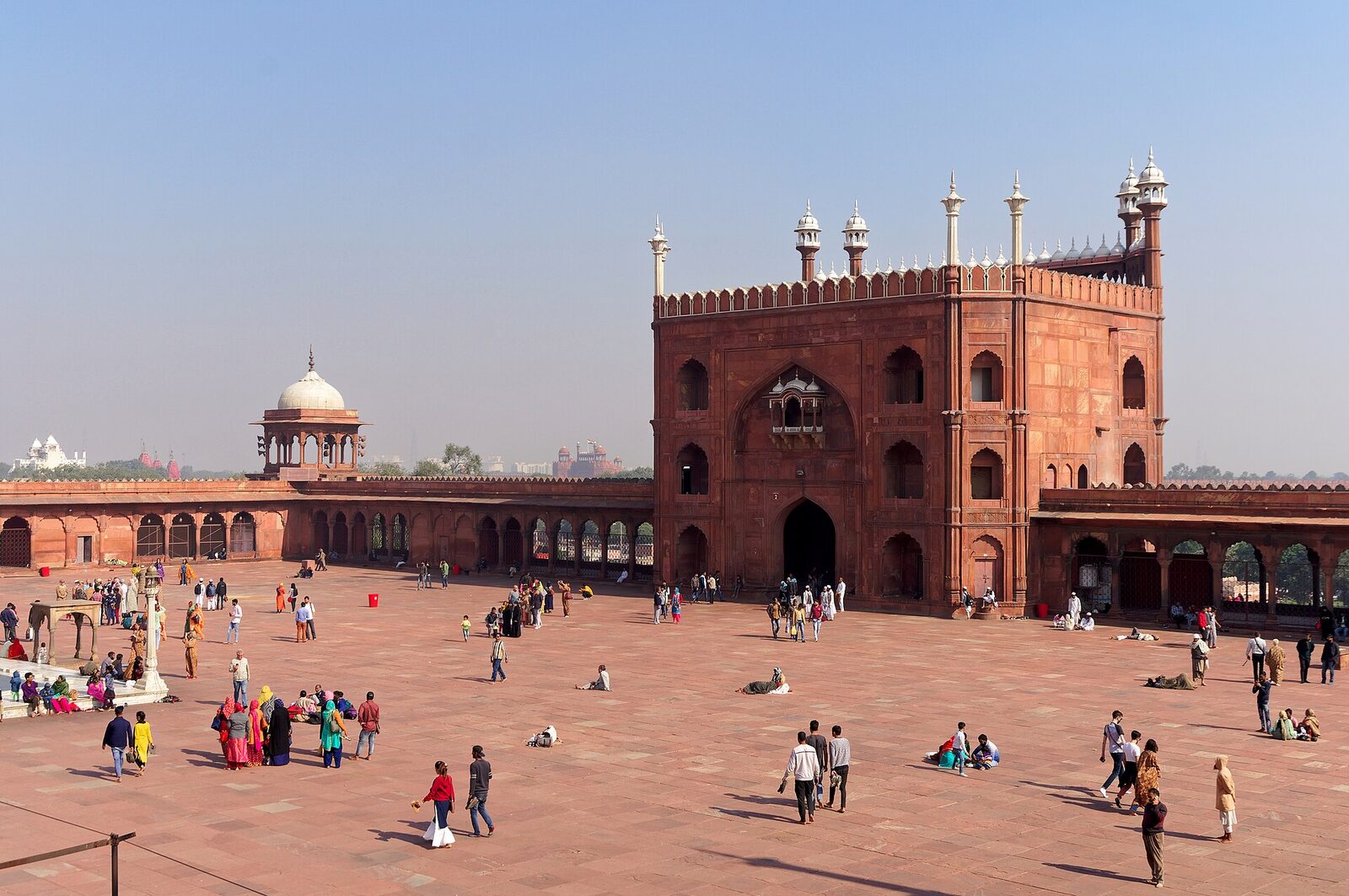
India’s Muslim population numbered around 213 million people in 2020, according to a Pew Research Center estimate published in 2025. Although the country has a Hindu majority, it is home to one of the world’s largest Muslim populations.
This population brings together communities with different languages, histories and regional ties. The presence of Islam in the country encompasses maritime trade, the sultanates, the Mughal Empire and the Partition of 1947. Talking about Indian Muslims therefore requires looking beyond a single religion and paying attention to the people who follow it.
How many Muslims live in India?
India’s 2011 census recorded around 172 million Muslims, equivalent to 14.2% of the population. The Pew study published in 2025 estimated that they represented approximately 15% of residents in 2020. It is important to distinguish a census result from an estimate and to note the year of each figure.
In Pew’s comparison for 2020, India had the world’s third-largest Muslim population, after Indonesia and Pakistan. This helps correct a common misconception: Muslim life is not concentrated solely in Arab countries. To understand the Islamic world, we also need to look at South and Southeast Asia.
How did Islam arrive and become established in the country?
India’s Muslim history does not begin solely with kings and armies. On the coast of Kerala, in the southwest of the country, Arab traders established relationships with local people. According to Kerala’s Department of Tourism, the formation of the Mappila community is linked to these contacts, marriages to local women and local inhabitants embracing Islam.
In the north, the Delhi Sultanate was established in 1206. The name encompasses different dynasties of Muslim rulers who controlled parts of Indian territory. This history also includes Sufi teachers, associated with a spiritual tradition within Islam, who helped spread the religion among local populations, according to the Metropolitan Museum of Art’s chronology.
Mughal rule began in 1526. The Mughals were Muslim rulers of Central Asian origin, and their court used Persian. Their marriages and alliances with Hindu ruling families encouraged cultural exchange. The Taj Mahal, a mausoleum in Agra built on the orders of Shah Jahan, is one of the best-known examples of architecture from this period.
Partition took place in 1947, when British colonial rule ended and two independent countries emerged: India and Pakistan. Pakistan was founded with a Muslim majority and had two geographically separated parts. Its eastern part corresponds to present-day Bangladesh. The division caused large-scale displacement and separated families and communities that had previously lived in the same territory.
Despite this division, a large Muslim population remained in India, as subsequent censuses show. It is therefore wrong to treat Indian Muslims as foreigners because of their religion. The history of these communities is part of the country’s own history, both before independence and in the society that developed afterward.
Where do Indian Muslims live?
The 2011 data show an extensive presence in the north and east. Uttar Pradesh, a northern state, had the country’s largest number of Muslims, around 38 million. West Bengal, in the east, had approximately 25 million, and Bihar, also in the east, around 18 million. These are figures from that census, not current counts.
The Muslim presence is also substantial in other regions. The same census recorded around 9 million Muslims in Kerala, in the southwest. In the territory that then formed the state of Jammu and Kashmir, they were the majority. A minority across the country as a whole can therefore represent a very different share of the population in each region.
Joshua Project’s tables list Urdu as the primary language of groups such as the Ansari, while the Mappila have Malayalam as their primary language. Sharing a religion does not mean speaking the same language or belonging to the same people group.
Which communities have few Christians?
In studies of Christian mission, the expression unreached peoples describes communities with few Christians and little presence of churches able to share the gospel among their own people. It seeks to describe access to the Christian message. It does not measure the value of a culture or authorize treating its members with superiority.
In the Joshua Project database consulted in November 2026, Muslim communities such as the Shaikh, Ansari and Mappila are listed in this situation. These records are estimates from various sources, without a single survey year for every field. They therefore serve as a reference for learning about communities and guiding prayer, without allowing us to claim that there are no Christians at all among them.
The Shaikh appear in the database as a broad category, with subdivisions and a presence in different states. Urdu is listed as their primary language, and West Bengal, Bihar and Uttar Pradesh are among their largest concentrations. The name should therefore not lead readers to imagine a small community or one confined to a single region.
The Ansari have their largest recorded concentrations in Uttar Pradesh and Bihar. Although Urdu appears as their primary language, the tables also record speakers of Hindi and other Indian languages. This example shows the importance of learning which language a family uses rather than assuming every Indian Muslim speaks Urdu.
The Mappila are concentrated mainly in Kerala and have Malayalam as their primary language. Their history, linked to the coast and trade with Arabs, reveals a different path from that of the northern sultanates. Praying for them calls for attention to this distinctive identity, without applying everything one reads about other Muslims to their circumstances.
How can we pray for these peoples of India?
These communities connect the prayer campaign for the peoples of India with the campaign for Muslim peoples. Those praying for India can remember that the country includes these families. Those praying for Muslims can broaden their perspective to include Indian communities with their own histories and languages, such as the Ansari and Mappila.
The gospel proclaims that salvation in Jesus is offered to people from every people group. In Romans 10:13-17, Paul connects this hope with the need to hear the message of Christ. This is the Christian reason for wanting Indian Muslims to know Jesus, with freedom to listen, ask questions and respond.
“Everyone who calls on the name of the Lord will be saved.”
Romans 10:13, NIV
Pray that Indian Christians will share their faith clearly and respectfully, learning to listen to their Muslim neighbors. Ask that families will be able to learn about Jesus’ teaching in a language they understand. As you remember the Shaikh, Ansari and Mappila, ask God to build relationships of trust and give the Church wisdom to love these people.
 Missions Is Allah the Same God Christians Worship?
 Missions Christians from Hindu backgrounds in India: faith, family, and anti-conversion laws
 Missions International Day of Prayer for the Persecuted Church