Missions
The unreached peoples of India
Understand why India has so many unreached peoples, discover some of these communities, and learn how to pray for them.
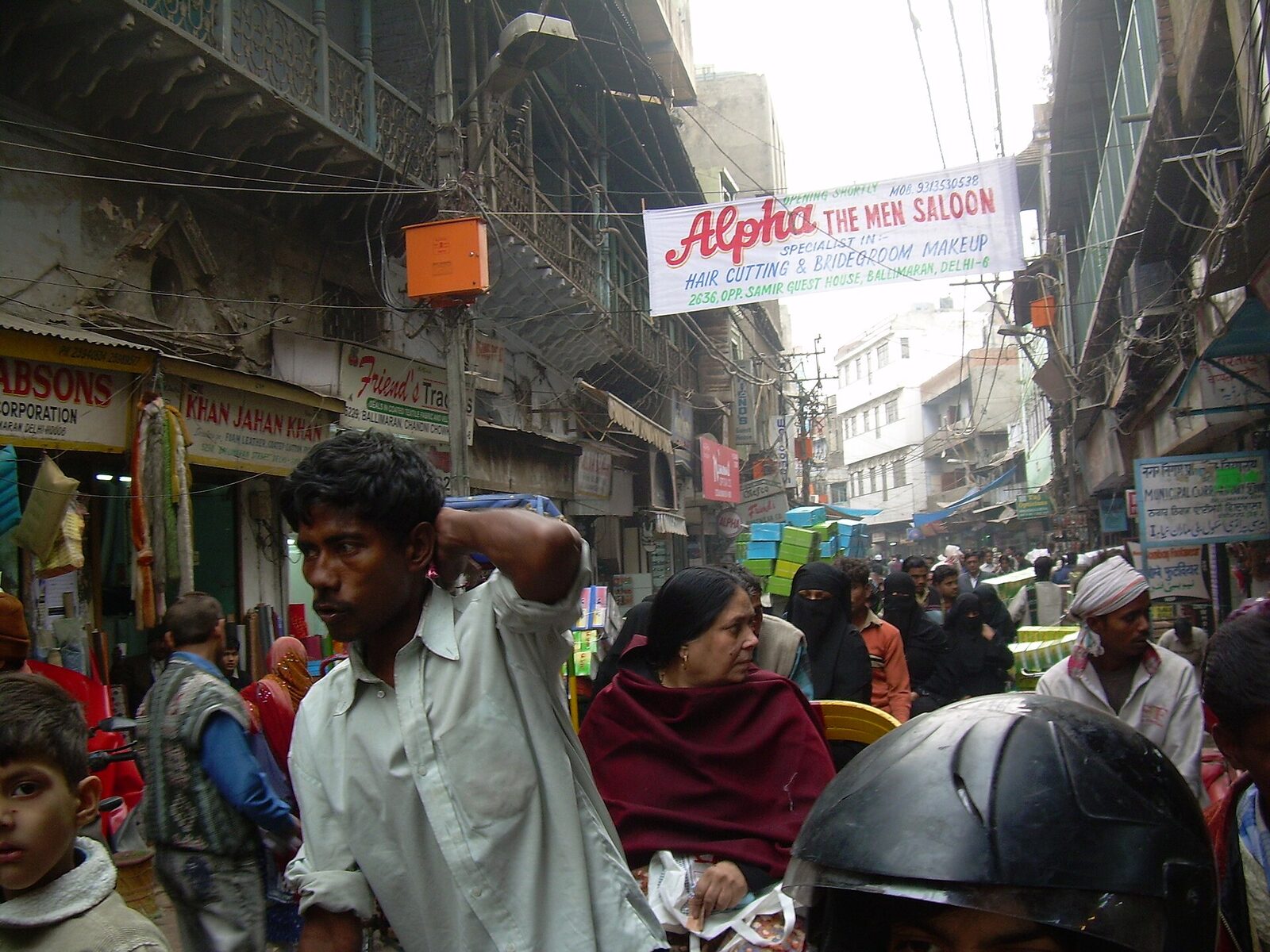
India has the largest number of unreached peoples because it is home to many distinct communities, and the gospel does not spread equally easily among all of them. Language, religion and family ties help explain this difference. In Joshua Project’s worldwide research from May 2024, the country accounted for more than a quarter of the peoples classified as unreached.
This does not mean that there are no Indian Christians or that no one among these peoples has heard of Jesus. It means that the Christian presence within many communities is still small. To understand this situation and pray about it, we need to look beyond the country’s name and get to know some of the peoples who live there.
What does unreached people group mean?
A people group, in this context, is a community whose members share an identity and relationships that make communication among them easier. It is not the same as a country. In India, people who speak the same language may belong to different communities, with their own religious traditions and family ties.
Joshua Project’s criteria for an unreached people group are a maximum of 2% evangelicals and 5% people identifying as Christians. These thresholds, accessed in 2026, are a research tool for understanding the Christian presence. They do not measure the worth of a culture or allow us to judge each person’s faith.
The question behind the classification is practical: does that community have a local church able to share the gospel among its own people? Having a church somewhere in the country therefore does not mean that all communities have access to the message of Jesus nearby and in a form they can understand.
Why are so many peoples in this situation?
On its India page, accessed in November 2026, Joshua Project recorded more than two thousand unreached peoples, about nine out of every ten peoples listed in the country. These are estimates from a database that is continually updated. The totals also depend on how communities are identified and grouped.
Traditional communities play a particularly important role in how this database organizes South Asia. These include castes, social groups linked to birth and family. Counting only the languages spoken would therefore fail to show important differences between people who can converse but belong to distinct social circles.
A Pew Research Center study published in 2021, with interviews conducted in 2019 and 2020, helps explain this context. Most respondents considered it important to prevent marriages between castes, and a large proportion kept their close friendships within their own religion. This suggests that living in the same territory does not guarantee close relationships between communities.
At the same time, we need to acknowledge the Christians already living in the country. India’s 2011 census recorded about 28 million Christians, according to government data. Their presence and the large number of unreached peoples are realities that coexist: the national total does not, by itself, show who has contact with a local church.
Brahmins, Rajputs, Yadavs and Muslim peoples
The examples below appear in Joshua Project data accessed in 2026. The names help us get to know specific communities but do not fully describe each member’s life. It is also important to distinguish a broad name, which may encompass several communities, from a specific profile used in the research.
Brahmins
Brahmins are traditionally associated with the roles of priests and teachers in Hindu society. Joshua Project has a general profile called Brahmin and other profiles with more specific names. The general profile lists Hinduism as the main religion and is classified as unreached; this does not justify treating all Brahmins as people with the same occupation or a single religious experience.
Rajputs
The profile of Rajputs of Hindu tradition also appears among the unreached. Its data records communities in states such as Uttar Pradesh and Rajasthan, with Hindi as the main language and other languages spoken among their members. The religious tradition matters: when praying, it helps to know which community the profile describes, without treating the name Rajput as a complete explanation of every family.
Yadavs
Among Yadavs of Hindu tradition, Uttar Pradesh and Bihar are listed as the states with the largest populations. Although Hindi is given as the main language, the table also records speakers of other languages. This example shows why a single language does not define a people group and why sharing the gospel requires attention to the community and the way people communicate.
Muslim peoples of India
Muslim is a religious identity, not the name of a single people group. India’s Muslim communities include the Shaikh, whose general profile lists Islam as the main religion and Urdu as the main language. The database records different subdivisions and classifies this profile as unreached. As we pray for these families, we should respect their Indian identity and avoid assuming that they all share the same history.
Why does the Ganges belt deserve attention?
The expression Ganges belt helps locate a broad stretch of northern India associated with the region around this river. Uttar Pradesh and Bihar are in this area. It is neither a single people group nor an administrative division: the name introduces readers to a region that is home to many different communities.
The Indian government’s page on the Ganges basin describes, using the 2001 census, a densely populated region with large cities. Joshua Project records accessed in 2026 show large Yadav and Shaikh populations in Uttar Pradesh and Bihar. This combination helps explain the attention given to the region in prayer for unreached peoples.
For those praying, the region can be a starting point, but the request becomes clearer when it focuses on people. We can remember Yadavs of Hindu tradition in Bihar or Shaikh families in Uttar Pradesh. We do not need to memorize many place names to ask that these communities come to know Jesus in a way they can understand and that respects them.
How to pray for the peoples of India
Jesus taught his disciples to ask God to send people to work in his harvest. This instruction invites us to begin with prayer and recognize that proclaiming the gospel depends on God. In Matthew 9:38, in the New International Version, we read:
“Ask the Lord of the harvest, therefore, to send out workers into his harvest field.”
Matthew 9:38
Pray for Indian Christians to know the Scriptures well and share their faith with patience and love. Ask that churches welcome people from different communities without reproducing contempt based on family background or social position. As you remember Brahmins, Rajputs, Yadavs and Shaikh, ask for opportunities for them to listen, ask questions and learn about the gospel without pressure.
The prayer campaign for the peoples of India invites you to give these communities your attention. Choose one of the peoples introduced here and start praying for them today. Ask God to strengthen those who already follow Jesus and enable other families to encounter his message clearly, through people who love and respect them.
 Missions Is Allah the Same God Christians Worship?
 Missions Christians from Hindu backgrounds in India: faith, family, and anti-conversion laws
 Missions International Day of Prayer for the Persecuted Church