Unreached peoples are ethnic groups whose local Christian community, if there is one, is still too small to bring the gospel to all their people without outside help. Joshua Project, a missions database, classifies a people group as unreached when fewer than 2% are evangelicals and fewer than 5% are professing Christians. This does not mean that no one there has heard of Jesus, but that access to the biblical message and opportunities to get to know his followers are still very limited.
The central issue is whether people can encounter the gospel in a way they understand, within their own language and culture. Someone may live near a church and still face barriers that make such contact difficult. Understanding this term helps the church recognize those who still need someone to share the faith with them through a patient, faithful presence.
What does a people group mean in this context?
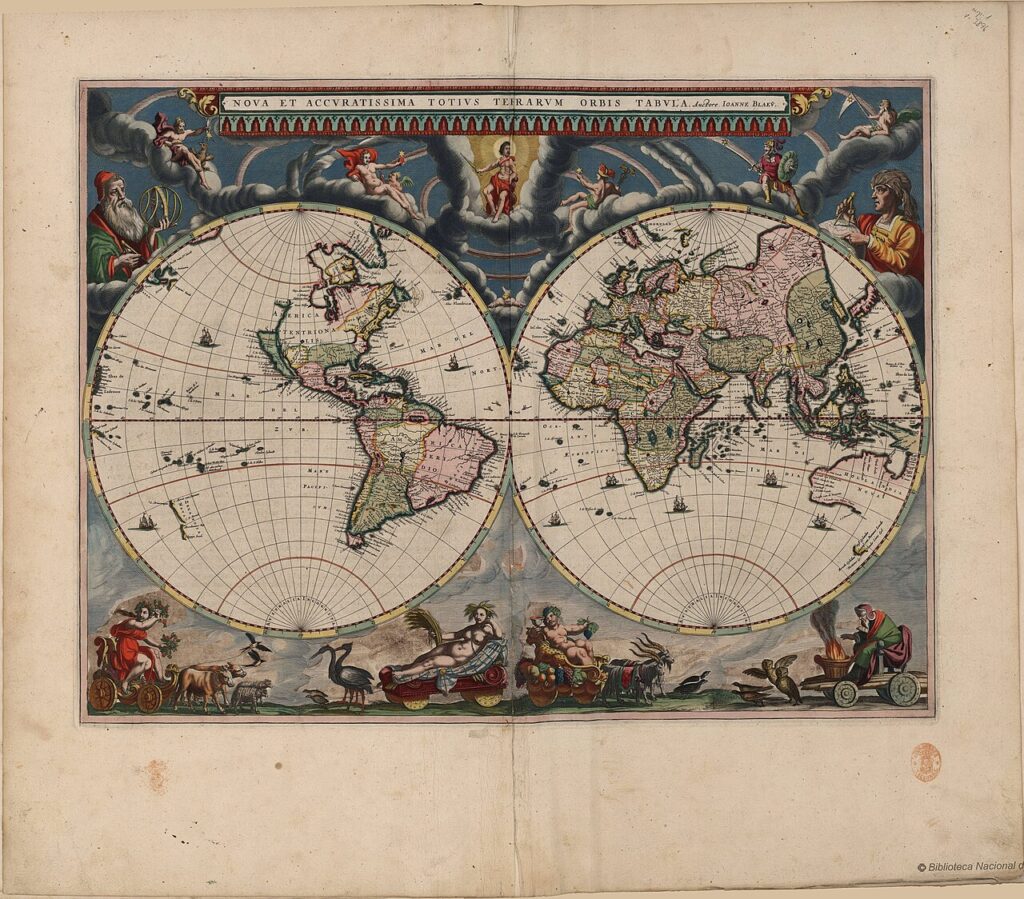
In missions, a people group is a community connected by characteristics such as language, history, customs, and a shared identity. The term does not simply mean a country: several peoples with different experiences and ways of communicating may live within the same borders. A single people group may also live in more than one country.
Imagine a city where most churches use a language that some residents do not understand well. If those residents also face prejudice or social isolation, the presence of churches in the city does not guarantee that they will receive a clear explanation of the Christian faith. The distance that needs to be crossed may be cultural and linguistic, even when the physical distance is small.
Unreached does not mean without worth or faith
Unreached describes a situation of access to the gospel, not the worth of a people. The members of these communities have histories, knowledge, family ties, and religious convictions that deserve respect. The Christian faith teaches that all human beings were created in God’s image, as Genesis 1:27 tells us. No people is less worthy of love or of being heard.
It is also important to distinguish between a person who does not believe in Jesus and an unreached people group. Someone may not be a Christian yet have relatives, neighbors, and churches who can clearly share the gospel with them. Within an unreached people group, these opportunities are scarce or hindered by barriers that the small Christian community cannot yet overcome on its own.
There may be disciples of Jesus among these peoples, including some whose faith is not publicly known. The term does not dismiss the presence or courage of these brothers and sisters. It draws attention to the need for support, biblical teaching, and cooperation so that a local Christian community can grow and share the faith with its own people.
What does the Bible teach about all peoples?
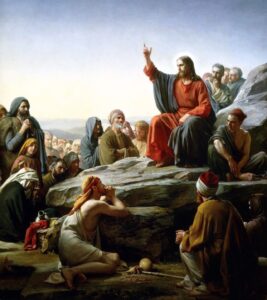
The term unreached peoples is a tool used in missions, not a biblical category defined by statistical criteria. Its foundation lies in the scope of the mission Jesus entrusted to his disciples. In Matthew 28:18-20, he sends them to make disciples of all nations, baptizing them and teaching them to obey his commands.
“Therefore go and make disciples of all nations…”
Matthew 28:19
This command involves more than making sure someone hears the name of Jesus once. Making disciples means proclaiming who he is, explaining his death and resurrection, and teaching people to live according to his word. Building communities of faith is part of this care, so that new Christians can learn together, receive support, and share their faith as well.
In Romans 10:14-15, Paul connects faith with hearing the message and highlights the need for people to proclaim it and be sent. This passage helps us understand why access matters: we cannot assume that everyone has already had a clear opportunity to hear. In Revelation 7:9-10, the vision of people from every nation, tribe, people, and language before God deepens our hope.
What helps a people receive the gospel?
The work begins with a willingness to listen, learn the language, and understand people’s lives. Explaining the faith requires words that make sense to those listening without distorting the biblical message. Scripture translation, patient teaching, and trusting relationships can help overcome barriers that a distant or hurried message cannot cross.
Help from Christians outside the community should strengthen local disciples and value their participation. The aim is for them to understand the Scriptures, care for one another, and proclaim Christ in their own context. This requires the humility to recognize that following Jesus does not mean adopting the national customs of those who have come to serve.
How can this understanding shape our prayers for the nations?
As you learn about an unreached people group, seek to understand their language, daily life, and the obstacles they face in accessing the Christian message. Turn that knowledge into specific prayers: for people who can teach clearly, for access to the Scriptures, and for local Christians to be strengthened. Pray for real families and communities without reducing their history to a missions classification.
In Matthew 9:37-38, Jesus tells his disciples to ask the Lord of the harvest to send out workers. This prayer also invites us to consider how our church can take part by preparing people, supporting those who serve, and welcoming neighbors from other cultures. Care for distant peoples can go hand in hand with hospitality toward those who live nearby.