Missions
What Is Ashura
Understand Ashura, the tenth day of Muharram: Sunni fasting recalling the deliverance of Moses' people, and Shia mourning for Husayn, killed at Karbala.

Ashura is an Islamic religious observance held on the tenth day of Muharram, the first month of the Islamic calendar. For Sunnis, one of the religion’s main branches, it is associated with fasting and the remembrance of Moses. For Shias, the other major branch, it is above all a day of mourning for Husayn, Muhammad’s grandson, who was killed at Karbala, in present-day Iraq, in 680.
From Moses to the death of Husayn
The connection with Moses appears in the hadiths, accounts of Muhammad’s words and deeds preserved in Muslim tradition. According to these accounts, when he arrived in Medina, he found Jews fasting in gratitude because God had saved Moses and his people from Pharaoh. Muhammad also fasted and instructed his followers to do the same.
Another tradition records that the Ashura fast was already practiced in Mecca before Islam. After fasting during Ramadan became obligatory, fasting on Ashura became voluntary.
Shia remembrance centers on a later event. Husayn was the son of Ali and Fatimah, Muhammad’s daughter. His death took place amid disputes over who should lead the Muslim community. He opposed Yazid, the caliph, meaning the ruler of the Islamic community, and set out toward Iraq with family members and companions.
The group was intercepted at Karbala by forces associated with Yazid’s government. Husayn and his companions were killed, while women and children were taken prisoner. The memory of this tragedy gave Ashura its central place in Shia devotion. Mourning gatherings and processions developed over the centuries after the battle.
Gratitude, faithfulness and resistance to injustice
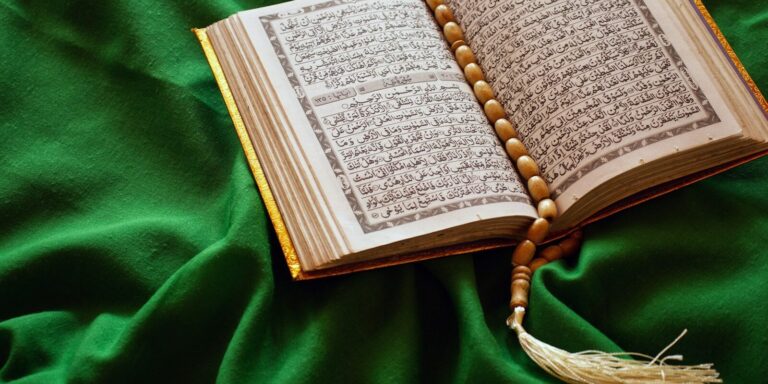
Among Sunnis, fasting expresses gratitude to God for the deliverance of Moses and a desire to follow Muhammad’s example. It is also linked to seeking forgiveness: a religious account associates this fast with the forgiveness of sins from the previous year. Prayer, reading the Quran, Islam’s sacred book, and charity accompany the observance.
For Shias who observe the mourning, Husayn is remembered as someone who remained true to his faith in the face of a power considered unjust. His martyrdom, understood as death for that faithfulness, teaches courage and the rejection of oppression. Weeping over his death and listening to his story are ways to express love for Muhammad’s family and commitment to their values.
This remembrance also guides community life. At religious gatherings, participants hear reflections on faith, conduct and their responsibilities in the face of present-day problems.
The calendar, fasting and processions
Ashura falls on the tenth day of Muharram, whose beginning is traditionally determined by sighting the first crescent moon after the new moon. Because the Islamic calendar is lunar and its year is shorter than the solar year, the date changes each year in the calendar used in Brazil. Confirmation may vary between communities depending on the sighting of the moon.
Among Sunnis who observe the fast, abstinence from food and drink lasts from dawn to sunset, following the rule of Islamic fasting. Fasting on the day before Ashura is also commonly recommended. The practice is voluntary and lasts for a much shorter period than the obligatory month of fasting during Ramadan.
In Shia tradition, the mourning period begins in the first days of Muharram and reaches its culmination on Ashura. People gather to hear accounts of Karbala, poems of lament and religious teachings. Weeping is part of these gatherings, expressing solidarity with the suffering of Husayn and his family.
Processions bring this remembrance into the streets. Many participants wear black and walk together to chants of lament; some beat their chests rhythmically. In some places, certain people practice forms of self-flagellation, meaning that they strike their own bodies. Ways of expressing grief vary, and these acts do not represent the practice of all Shias.
There are also blood donation initiatives, documented in Shia communities in the United Kingdom, as a way to mark the occasion by helping others. In Iran, religious dramas retell episodes from the tragedy of Karbala. Music, the portrayal of the characters and the accounts make the story known to those who participate in and watch the ceremonies.
Food has a place in the observance through generosity. Communities distribute meals and drinks to participants and others, also recalling the hunger and thirst endured by Husayn’s group. In Iran, the foods offered include shole zard, a rice dessert with saffron and rose water. Recipes and ways of sharing vary from region to region.
The relationship with food also distinguishes the traditions. Some Shia guidance recommends spending part of the day without eating or drinking, in solidarity with Husayn, but ending this abstinence during the afternoon. This practice is an expression of mourning and differs from the devotional fast that many Sunnis observe until sunset.
The period of remembrance may continue after Ashura. Another important occasion is Arbaeen, which marks the fortieth day after Husayn’s death and brings pilgrims together in Karbala. Although both occasions relate to the same event, Ashura marks the anniversary of the martyrdom, and Arbaeen comes later in the mourning calendar.
An observance experienced in several countries
Karbala holds a special place because it is home to both the battle site and Husayn’s shrine, which welcomes pilgrims. Ashura also has a strong presence in the streets of Shia communities in Iran, Lebanon, Pakistan and India. Processions, flags and mourning gatherings make this remembrance visible in public life in these places.
The observance also accompanies Muslim communities living in other countries. In the United Kingdom, for example, there are processions in London and other activities organized by Shias. Among Sunnis, the focus may be on fasting and personal devotion. Knowing the community’s religious branch and customs helps us understand what the occasion means to each family.
The search for justice and the hope of the gospel
For a Christian reader, Ashura draws attention to questions about suffering, injustice, forgiveness and faithfulness to God. The remembrance of those who suffered for their convictions deserves a respectful hearing. Understanding this memory allows conversations about faith without reducing people’s experience to images of a procession or a ritual.
The gospel presents Jesus as the one who knows human weaknesses and offers mercy to those who seek his help, as described in Hebrews 4:15-16. The Christian faith also proclaims that he died for our sins and rose again, as 1 Corinthians 15:3-4 teaches. It is in this death and resurrection that Christians find their hope of forgiveness and life.
Ephesians 2:8-9 teaches that salvation is a gift from God received through faith. In evangelical understanding, grace is this favor that God offers, which a person can neither buy nor earn through works. Sharing this conviction calls for clarity about Jesus and sensitivity toward someone speaking about a history of loss and devotion.
How to build relationships and pray for the nations
When talking with a Muslim neighbor or colleague, it is helpful to ask what Ashura means to their family and listen to the answer before making comparisons. A festive greeting may be inappropriate for someone observing religious mourning. Showing interest in the history a person cherishes is a practical starting point for a relationship of respect and friendship.
In prayer, we can remember both the families who fast in gratitude for the deliverance of Moses and those who mourn Husayn’s death. We can ask that they come to know Jesus and find forgiveness and hope in him. We can also pray that Christians who live alongside these communities will know how to listen, serve and explain their faith in simple words.
Unreached peoples are those among whom few know the gospel and there are hardly any Christians to explain it. According to Joshua Project, many of them are predominantly Muslim, including both Sunnis and Shias. Praying with Ashura in mind means praying for people with names and histories, and asking that the gospel reach them through friendships and Christians who respect them.
 Missions Is Allah the Same God Christians Worship?
 Missions Christians from Hindu backgrounds in India: faith, family, and anti-conversion laws
 Missions International Day of Prayer for the Persecuted Church