Christian holidays
What Is Lent
Explore the origins of Lent, the meaning of the forty days before Easter, and how Catholics, Orthodox Christians and evangelicals observe this season.

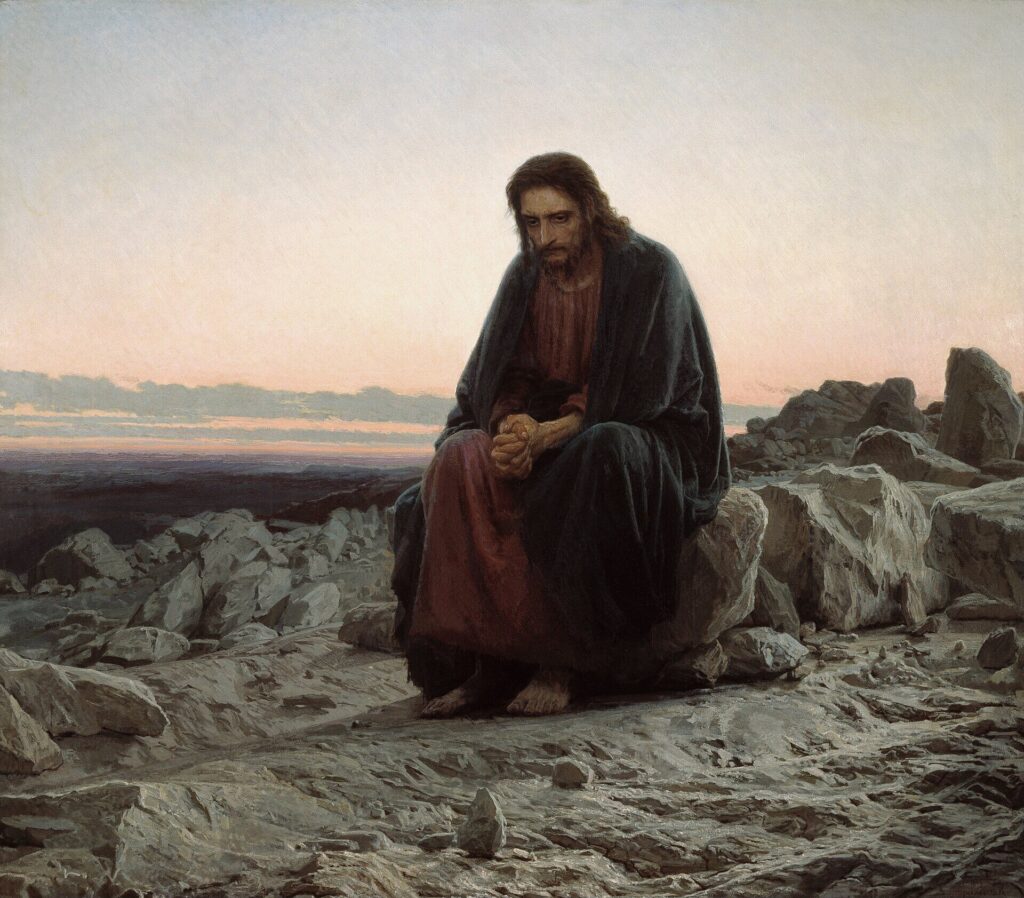
Lent is a season of preparation for Easter when Christians give special attention to repentance, prayer, fasting and helping others. Traditionally associated with forty days, it recalls Jesus’ fast in the wilderness. It is a time of preparation for the celebration of the resurrection, with practices that vary among churches.
Catholics, Orthodox Christians and some Protestants include Lent in the church calendar. Other evangelicals do not observe this season, although they pray and fast at other times. To understand Lent, we need to distinguish its biblical inspiration from the customs that developed throughout history. To see how this observance fits into the Christian calendar, read about the most important Christian festivals.
How Lent developed in the early Church
The Portuguese name for Lent comes from the Latin quadragesima, a reference to the number forty. The main example Christians recall is Jesus, who fasted in the wilderness before beginning his public ministry. The Gospel of Matthew records this event in a few words:
“After fasting forty days and forty nights, he was hungry.”
Matthew 4:2
The number forty appears at other points in the Bible: Moses spent forty days and forty nights with the Lord on the mountain (Exodus 34:28), and the prophet Elijah traveled for forty days to Mount Horeb (1 Kings 19:8). Christian tradition usually connects Lent above all with Jesus’ fast.
The Church developed the Lenten calendar over the first few centuries. There is evidence of fasting before Easter as early as the second century, but its length varied from one community to another. It would therefore be inaccurate to imagine that all the earliest Christians observed forty days in the same way.
By the fourth century, a forty-day period of preparation had become more widespread. Canon 5 of the Council of Nicaea, held in 325, already mentions the forty-day period, although historians debate the exact meaning of the text, and Athanasius of Alexandria called his congregations to fast before Easter in his Easter letters of the 330s. During this period, preparing new Christians for baptism at Easter also became important, with instruction in the faith, prayer and fasting. Historians continue to discuss the details of its origins; its present form did not emerge fully developed from a single decision.
Why Christians observe this season
The purpose of Lent is to prepare the community to remember Jesus’ death and celebrate his resurrection. Repentance means acknowledging sin, asking God for forgiveness and changing direction. For those who observe the season, this should lead to concrete decisions, such as seeking reconciliation and abandoning behavior that harms others.
Prayer, fasting and charity go together because they concern our relationship with God, our own desires and other people. In Matthew 6:1-18, Jesus teaches about giving to those in need, praying and fasting without turning these practices into a performance to win praise. This teaching gives meaning to Lenten discipline.
Giving up a food or a habit thus has a spiritual purpose. Such self-denial can be accompanied by more time for prayer, Bible reading and serving others. As the Orthodox Church in America explains, Lent is also a time of joy in God’s mercy, even amid sorrow for sin.
The calendar and the practices of each tradition
Why the dates change
Lent follows the date of Easter, which changes each year. In the Western calculation, Easter falls on the Sunday after the first full moon defined by church tables that occurs on or after March 21. These tables follow lunar cycles, but do not always match the full moon observed in the sky.
Many Orthodox churches use tables based on the Julian calendar, while Western churches follow the Gregorian calendar, which is used for civil purposes. As a result, Easter dates may coincide or differ.
Catholics and Ash Wednesday
In the Roman Rite of the Catholic Church, Lent begins on Ash Wednesday. During the service, worshippers receive ashes on their heads or foreheads, often in the shape of a cross. The ashes recall the fragility of life and the call to repentance, and the rite often includes the words “Remember that you are dust”; the ashes usually come from burning the branches used on Palm Sunday the previous year.
The traditional count of forty fasting days covers the period from Ash Wednesday to Holy Saturday, excluding Sundays. This does not mean that Sundays fall outside Lent. In the current Catholic calendar, the season ends before the Mass of the Lord’s Supper on Maundy Thursday.
Fasting and abstinence have different meanings: the former reduces the amount of food eaten; the latter means giving up a particular food, especially meat. Catholic discipline calls for both on Ash Wednesday and Good Friday, as well as abstinence on Fridays, with rules and possible alternatives set by the bishops of each country.
This does not mean going without food for forty days. There are age requirements and exemptions for those unable to observe the practice, including because of illness. On days of abstinence from meat, fish is permitted under Latin Catholic discipline.
Orthodox Christians and Great Lent
In the Orthodox tradition represented by the Greek and Russian churches, Great Lent begins on what is known as Clean Monday. Its forty days include Sundays and end on the Friday before Palm Sunday. Holy Week has its own distinct character, and fasting continues throughout it until the celebration of Easter.
Preparation begins earlier, with Sundays devoted to themes such as repentance and forgiveness. On the Sunday immediately before Great Lent, known as Forgiveness Sunday, worshippers are invited to forgive one another. Dietary restrictions are part of a journey that also involves relationships within the community.
The traditional Orthodox rule excludes meat, eggs and dairy products, with further restrictions and exceptions depending on the day. Services include prayers and readings specific to the season. The texts used in Great Lent services warn against pride in fasting that is merely outward, and Orthodox tradition includes turning away from anger and lying as part of true fasting.
Evangelicals and freedom of observance
Among Protestants, some Lutheran, Anglican and Methodist communities observe Lent with services, Bible reading, prayer and practical help for others. Some also use ashes. According to the guidance of the Lutheran Church, Missouri Synod, fasting or giving something up during Lent is a free choice, since this observance is not a biblical requirement.
Among Baptists and other evangelical groups, practices vary: some communities observe Lent, while others do not include it in their calendars. The absence of this custom does not mean an absence of fasting or preparation for Easter. It is important to learn about each community’s practice rather than assume that all evangelicals follow a single rule.
Where Lent shapes community life
In Brazil, one Catholic expression of the season is the Fraternity Campaign, organized by the National Conference of Bishops of Brazil. It connects preparation for Easter with reflection on social problems and practical acts of solidarity. It chooses a theme each year, and the campaign began in the 1960s.
In Greece, the beginning of Great Lent also includes family customs outdoors. Clean Monday brings picnics and the tradition of flying kites. The meal may include salads, seafood and lagana, an unleavened bread topped with sesame seeds and associated with this day.
Lent and prayer for the nations
Preparation for Easter can broaden our concern for those who have not yet heard the gospel. After the resurrection, Jesus sent his disciples to all nations, as recorded in Matthew 28:19-20. Those who set aside time for prayer can include an unreached people group, meaning a people with little access to the gospel or contact with Christians.
This prayer can also connect with everyday life: listening to a neighbor who observes Lent, learning what their customs mean and speaking respectfully about Jesus. Helping others can include welcoming someone from another country. In this way, the season of preparation for Easter can bring greater attention to people nearby and peoples far away.
 Christian holidays The Ten Days Between the Ascension and Pentecost
 Christian holidays What Is Advent
 Christian holidays The most important Christian festivals