Missions
What Is Ramadan
Explore the origins and meaning of Ramadan, how fasting and iftar work, what the Night of Power is, and why the month ends with Eid al-Fitr.
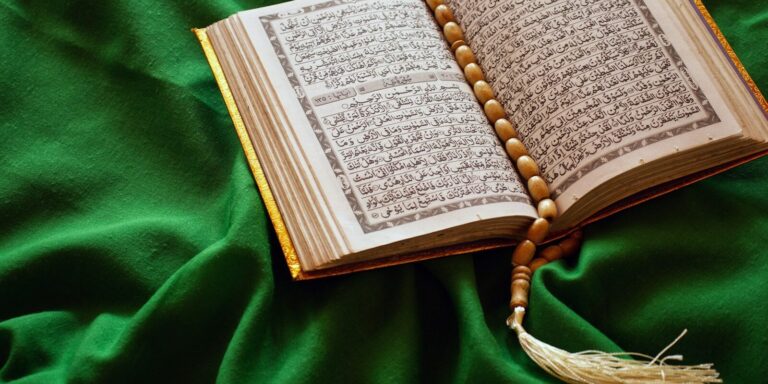
Ramadan is the ninth month of the Islamic calendar, which Muslims dedicate to fasting, prayer, generosity, and seeking forgiveness and closeness to God. During this period, those observing the fast do not eat or drink, including water, from dawn to sunset. The month commemorates the revelation of the Quran, Islam’s sacred book, and ends with the festival called Eid al-Fitr. To see how this occasion fits into the Islamic calendar, read about the most important festivals in Islam.
The origins of Ramadan and the revelation of the Quran
For Muslims, Ramadan is connected with the beginning of the revelation of the Quran to Muhammad, whom they recognize as a prophet. According to Islamic tradition, he received the first words through the angel Gabriel while in the cave of Hira, near Mecca, in what is now Saudi Arabia. Believers understand this event as the beginning of guidance from God for humanity.
The Quran directly connects the month with the revelation and commands fasting for those able to fulfill this obligation. Islamic tradition places the establishment of obligatory fasting in the second year after Muhammad’s move from Mecca to Medina, in the seventh century.
Remembering the revelation explains the special place given to reading the Quran during this month. Many believers try to read or hear the entire book over the course of the period, at home or in mosques, the Muslim places of prayer. This connection is also at the heart of the Night of Power, one of Ramadan’s most important occasions.
Why Muslims fast
Fasting during Ramadan is one of the five pillars of Islam, meaning one of the religion’s foundational practices. For those observing the month, temporarily giving up food and drink expresses obedience to God and helps teach self-control. Religious intention is part of the practice: the believer seeks to dedicate that effort to God.
This discipline also involves how people speak and treat others. Islamic teachings instruct those who fast to avoid lies, insults, and quarrels, and to seek repentance for their own wrongdoing. The month’s meaning includes changing attitudes and cultivating a more constant awareness of God’s presence in everyday life.
Hunger and thirst are also understood as a reminder of other people’s needs. Providing meals and sharing resources therefore have an important place in Ramadan. Gratitude for food, compassion for those in need, and hope in God’s mercy accompany the discipline of fasting.
Observing the month, from the Moon to Eid al-Fitr
The calendar and the start of fasting
The Islamic calendar follows the Moon’s cycles, and Ramadan lasts twenty-nine or thirty days. Traditionally, its beginning is announced after the sighting of the first crescent Moon that marks the start of the month. Because the lunar year is shorter than our civil year, Ramadan changes dates and moves through different seasons over the years.
Communities follow different criteria to confirm the beginning and end of the month, using Moon sightings and astronomical calculations. Countries, and even communities within the same country, may therefore begin on different days. In the Islamic calendar, the day begins at sunset, and the first fast begins at the following dawn.
Meals and exemptions
Before dawn, many families have suhoor, the meal that prepares them for the day of fasting. Abstinence begins with the first light of morning, before sunrise, and continues until sunset. During this time, believers also abstain from sexual relations and smoking.
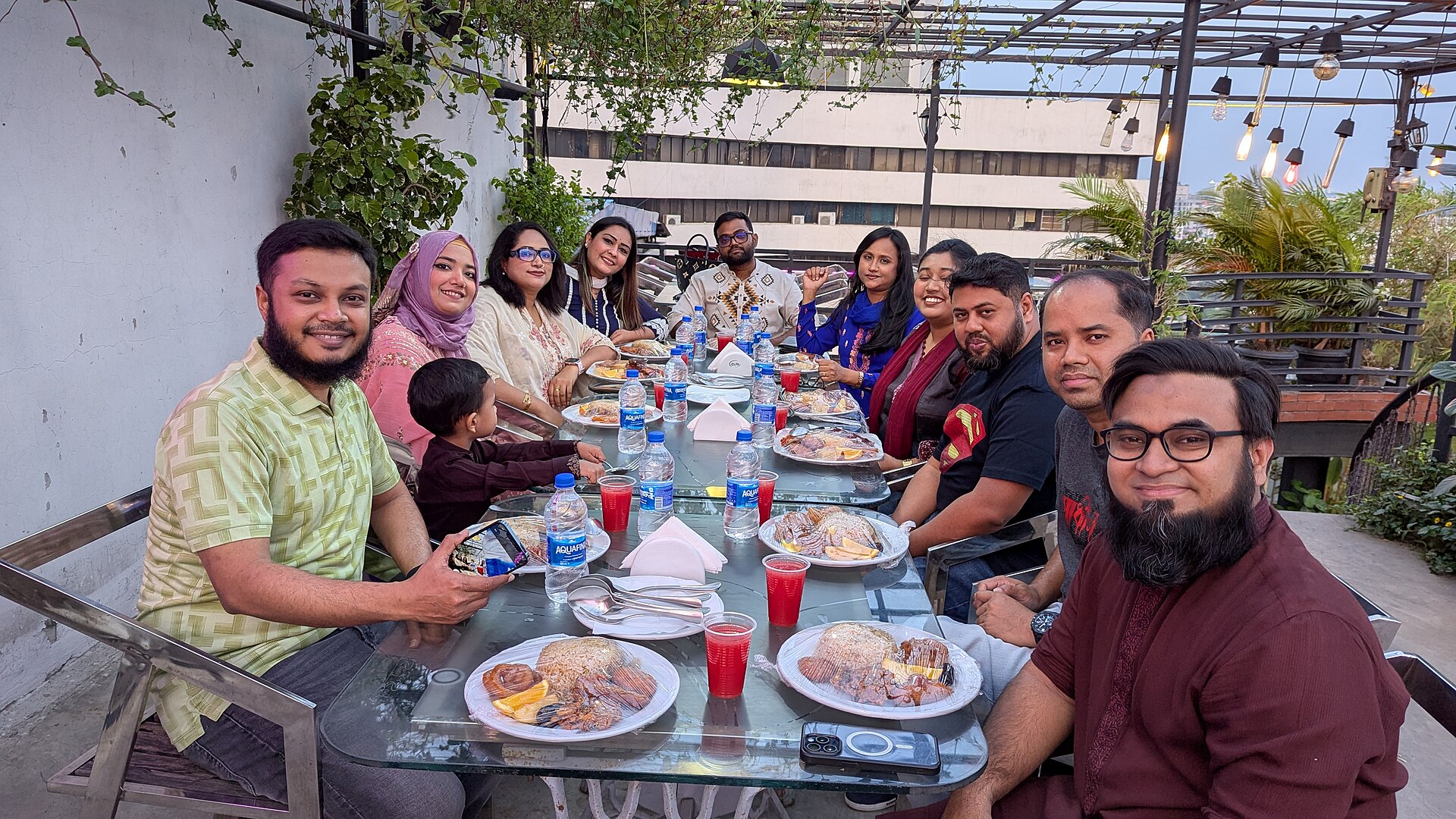
At sunset comes iftar, the meal that ends that day’s fast. Many begin with dates and water, following the example attributed to Muhammad, and then have a larger meal. Families, friends, and neighbors may share the table, and mosques also organize gatherings for food and prayer.
The obligation to fast begins at puberty and takes each person’s ability into account. Young children are exempt, and there are also exemptions for people who are ill, travelers, and elderly people unable to endure the fast. Women do not fast during menstruation, and pregnancy and breastfeeding may also justify an exemption when there is concern about harm to the mother or baby.
The rules for making up the fast depend on the reason for exemption. In temporary situations, such as a short illness or travel, the days are usually made up later; when the inability is permanent, there are instructions to feed people in need.
Prayer and the Night of Power
During the month, many Muslims devote more time to prayer and reading the Quran. In many Sunni communities, there are additional night prayers called tarawih, often held in the mosque, with recitations from the sacred book. The evenings may also bring family and friends together around meals and religious life.
Laylat al-Qadr, known as the Night of Power or the Night of Decree, commemorates the revelation of the Quran. The book itself describes this night as better than a thousand months, an expression of its spiritual value for believers. Many spend hours in prayer, reading, and asking for forgiveness, seeking God’s mercy.
In Sunni tradition, the search for this night receives special attention during the last ten nights of the month, especially the odd-numbered nights. Among many Shia Muslims, emphasis is placed on the nineteenth, twenty-first, and twenty-third nights. Sunni and Shia are two major branches of Islam, and these differences are part of the diversity of observance.
The festival that ends the month
Eid al-Fitr, the festival of breaking the fast, begins on the first day of Shawwal, the month after Ramadan. The celebration includes a special congregational prayer, festive clothes, and gatherings with family and friends. It is a time of joy and thanksgiving after the period of religious discipline.
At the end of the month, there is also zakat al-fitr, a contribution for people in need, required of those who can afford it. Its purposes include helping the poorest share in the joy of the festival. The form of this help, whether food or money, varies according to the religious guidance followed by the community.
Where and by whom Ramadan is observed
Ramadan is observed by Muslims of different peoples and languages, far beyond the Arab countries. Indonesia, Pakistan, and India are the countries with the most Muslims, according to Pew Research Center estimates for 2020, each with more than 200 million. This presence across different regions helps explain the variety of foods, languages, and customs that accompany the same religious observance.
In Turkey, for example, the bread called pide appears on iftar tables, and there is a tradition of playing a drum before dawn to wake residents for the meal. Preparing the food may bring relatives and neighbors together.
In Brazil, Ramadan also brings Muslim communities together. In March 2026, the UN Refugee Agency and the Federation of Muslim Associations of Brazil held a solidarity iftar at the Mosque of Mercy in São Paulo, with refugees and other guests. For those living far from their country of origin, these gatherings can preserve religious and cultural ties and offer companionship during a month associated with family.
The search for forgiveness and the gospel’s response
Devotion to prayer, repentance, and generosity show how Ramadan expresses the desire to live close to God and receive his forgiveness. Christians can listen to this longing with attention and respect. Understanding the meaning Muslims themselves give to the month helps us talk with individual people, with their hopes and questions.
The Christian response to this search is found in Jesus, in his death and resurrection. In Luke 24:46-47, he connects these events with the proclamation of repentance for the forgiveness of sins to all nations. Ephesians 2:8-9 teaches that salvation is a gift from God, received through faith. Christians present the gospel from this foundation of trust.
Ramadan and prayer for the nations
During Ramadan, we can pray that Muslims will come to know Jesus and understand his offer of forgiveness. We can especially remember unreached peoples, among whom there are few opportunities to hear the gospel, and ask that Christians be able to present their faith with clarity, patience, and love. This prayer should be accompanied by a willingness to get to know and respect people.
In everyday life, this can begin with listening to how a neighbor or colleague observes the month and respecting their fasting and prayer times. If invited to iftar, sharing the meal can open up opportunities for friendship and conversation. Praying for the nations also involves welcoming those nearby and speaking about Jesus with respect. During Ramadan, you can join the prayer campaign for Muslim peoples and learn more about why we pray for Muslim peoples during Ramadan.
 Missions Is Allah the Same God Christians Worship?
 Missions Christians from Hindu backgrounds in India: faith, family, and anti-conversion laws
 Missions International Day of Prayer for the Persecuted Church