Missions
What Is Rosh Hashanah, the Jewish New Year
Explore the origins of Rosh Hashanah, the meaning of the shofar and apples with honey, and the Days of Awe, which run from the Jewish New Year to Yom Kippur.
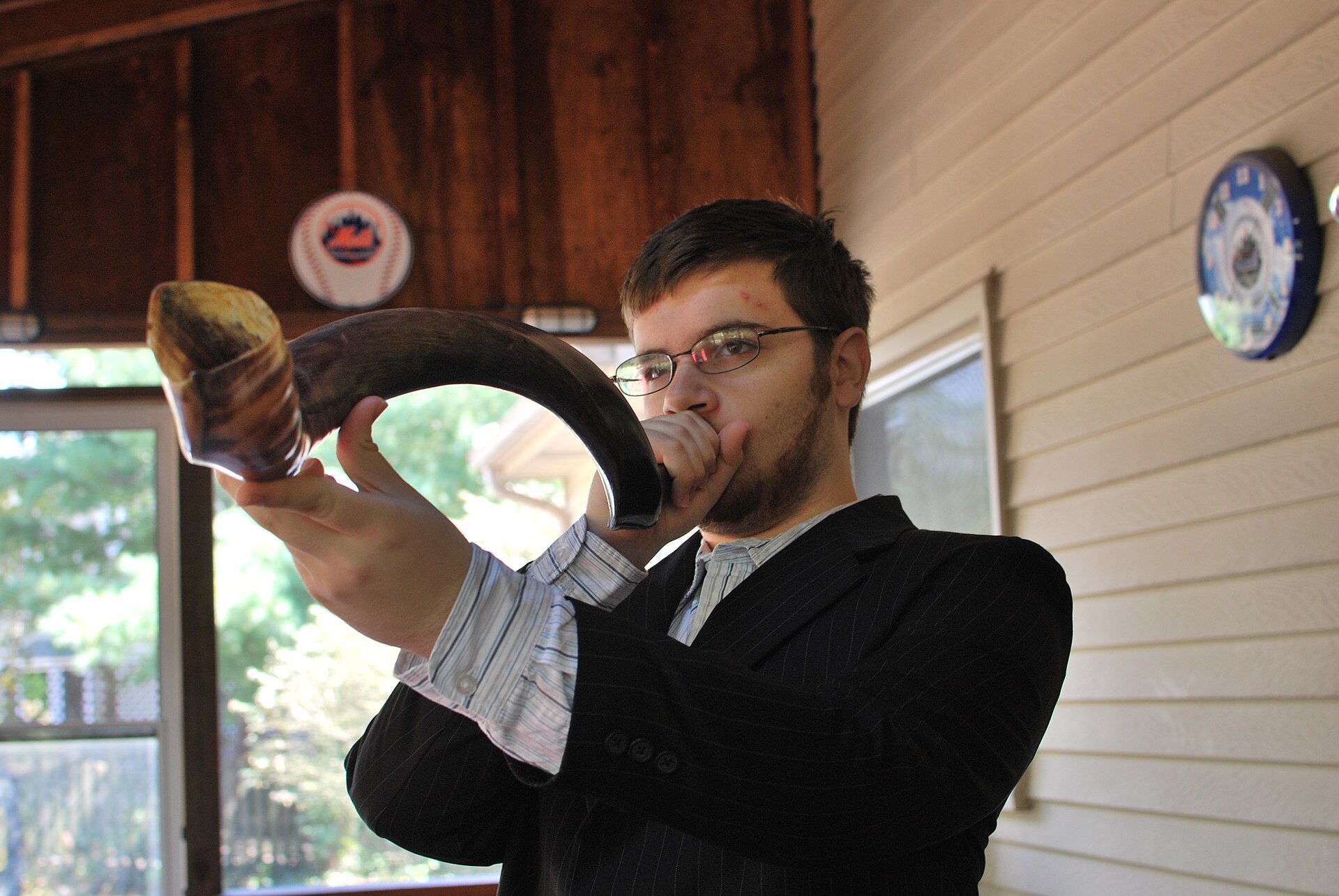
Rosh Hashanah is the Jewish New Year, a celebration of prayer, reflection on the past year, and hope for the year ahead. Its name means “head of the year” in Hebrew. The festival brings families together at the table and communities together in synagogues, the Jewish places of gathering and prayer, with particular emphasis on sounding the shofar, a wind instrument usually made from a ram’s horn.
The date also opens the Days of Awe, a ten-day period devoted to repentance that ends on Yom Kippur, the Day of Atonement, which focuses on seeking God’s forgiveness. The joy of eating apples with honey and wishing others a good year goes hand in hand with a serious question: what needs to change in the way we live? To see how this occasion fits into the Jewish calendar, read about the most important festivals in Judaism.
From a day of trumpet blasts to the Jewish New Year
The festival’s biblical origins are found in Leviticus 23:23-25. In this passage, God commands Moses to have the Israelites set aside the first day of the seventh month for rest, a sacred assembly, and trumpet blasts. The text also requires an offering to God, but it does not yet call this celebration Rosh Hashanah or describe all its present-day customs.
“On the first day of the seventh month you are to have a day of sabbath rest, a sacred assembly commemorated with trumpet blasts.”
Leviticus 23:24, NIV
Numbers 29:1 repeats the command to gather the people and sound the trumpets. In Jewish tradition, this day is called Yom Teruah, the day of sounding the horn. Over time, the teachings of the rabbis, the teachers of the Jewish religion, developed its connection with the beginning of the year, judgment, and repentance.
The Mishnah, an ancient collection of Jewish teachings and rules, already identifies the first day of Tishrei as the beginning of the reckoning of years. It also recognizes other new years for different purposes. This explains why the Jewish New Year takes place in Tishrei, the seventh month in the biblical count that begins with Nisan: the numbering of months and the change of year follow different starting points.
A new beginning before God
In Jewish tradition, Rosh Hashanah recalls the creation of humanity, represented by Adam and Eve, and affirms God as king of the whole world. The prayers present all human beings before the Creator, responsible for their choices and dependent on his mercy.
Judgment is one of the festival’s central themes. Traditional language speaks of being inscribed in the Book of Life and of a decision that will be sealed on Yom Kippur. These images express the seriousness of life before God and the hope of receiving a new year with peace and blessings.
The expected response is called teshuvah, a Hebrew word meaning return and used to speak of repentance. It involves acknowledging wrongdoing, feeling sorrow for what happened, and committing to change. When someone has harmed another person, this return includes seeking their forgiveness and repairing the damage, such as returning something that was stolen.
The ten days are counted from Rosh Hashanah through Yom Kippur itself, including both. During this period, tradition encourages more prayer, help for those in need, and attention to the commandments. Yom Kippur centers on fasting and confession; Rosh Hashanah features festive meals and expresses confidence in the possibility of a new beginning.
The calendar, the shofar, and the family table
Rosh Hashanah begins on the first day of Tishrei, at sunset on the preceding evening, and usually falls in September or October. The Jewish calendar is lunisolar: its months follow the Moon’s cycles, and an additional month is included in certain years to keep the festivals aligned with the seasons. Its date therefore changes in the calendar we use in everyday life.
Traditional observance covers the first two days of Tishrei, both in Israel and elsewhere. This custom is connected with the time when the beginning of the months depended on witnesses who had seen the new Moon and on confirmation by a religious court. The two-day celebration was preserved even after fixed calculations were adopted for the calendar.
There are differences between branches of Judaism. Orthodox and Conservative communities, which preserve the two-day observance, follow this festival calendar; many Reform communities in North America celebrate for only one day, while others keep two. Participation in prayers and customs at home also vary among families and congregations.
Preparation may begin in Elul, the preceding month, with personal reflection and prayers asking for forgiveness. At home, the arrival of the festival includes lighting candles, saying blessings over wine or grape juice, and sharing bread. Family and friends gather for meals that combine gratitude with wishes for the new year.
Apples dipped in honey are among the best-known symbols. Before eating, participants ask God for a good and sweet year. It is also common to serve challah, the bread of Jewish Sabbath and festival meals, in a round shape associated with the cycle of the year; on many tables, pomegranates express the desire for good deeds to be as numerous as their seeds.
In the synagogue, the prayers emphasize God’s kingship, the remembrance of his people, and the shofar. This instrument produces sequences of long and short sounds, understood as a call to awaken and return to God. The ram’s horn also recalls the animal Abraham offered in place of his son Isaac, according to Genesis 22:13.
Hearing the shofar is a central practice, usually incorporated into the morning prayers. In traditional observance, when the first day coincides with Shabbat, the Jewish Sabbath of rest, the instrument is sounded only on the second day.
Another custom is tashlich, a prayer offered near a river, lake, or the sea, usually on the afternoon of the first day, with variations in timing between communities. The practice recalls Micah 7:19, which speaks of God casting sins into the depths of the sea. Its meaning is symbolic and accompanies a commitment to turn away from wrongdoing.
A festival observed in Israel and around the world
In Israel, Rosh Hashanah is part of the public calendar, with schools and many businesses closing during the festival. Outside the country, Jewish communities maintain the celebration in synagogues and homes. In North America, for example, many participants set these days aside for religious gatherings, taking time off work or school.
The festival is also celebrated in Brazil. The Brazilian Israelite Confederation presents the occasion as an opportunity for a new beginning, a review of the past year, and a search for forgiveness leading up to Yom Kippur. To understand its significance in someone’s life, it helps to listen to how that person and their family celebrate, since Jewish identity does not imply identical religious practice for everyone.
The search for forgiveness and the gospel’s response
The attention given to responsibility, reconciliation, and a new beginning helps Christian readers understand the importance of this festival for those who celebrate it. The desire to receive forgiveness and change one’s life also runs through the proclamation of the gospel. For Christians, this hope centers on Jesus.
Hebrews 9:26-28 presents Christ’s death as a sacrifice offered once to take away the sins of many. Romans 5:1 teaches that through faith in Jesus we have peace with God. This is the foundation of Christian confidence in forgiveness: the work of Christ, received through faith, which calls us to a life of repentance.
When sharing this conviction, Christians need to listen respectfully to what Jews believe and how they understand their relationship with God. Paul warns against arrogance when speaking about Israel’s roots in Romans 11:18. Learning about the festival calls for honesty about differences in faith and humility in conversation.
Praying for the nations and getting to know those who celebrate
Rosh Hashanah can help the church remember Jewish communities in Israel, Brazil, and other countries in its prayers. We can ask for protection against antisemitism, respect for religious freedom, and opportunities to speak about Jesus with friendship and clarity. This concern is part of the commitment to take the gospel to all peoples, including unreached peoples.
Getting to know people begins with simple actions: respecting the days set aside for family and prayer, listening to the meaning of the customs, and wishing others a good year. The greeting Shanah Tovah means precisely “good year.” Getting to know the person who celebrates allows us to pray for real situations in their life and build a friendship in which faith can be shared with respect.
You have read this story. Now pray.
Today we pray for a nation and a people who still need to hear the gospel.
 Missions Veils, hijab and burqa: women in Islam
 Missions 2027 prayer calendar: campaigns and dates for the year
 Missions How to help persecuted Christians beyond prayer