Missions
What Is the Night of Destiny (Laylat al-Qadr)
Learn about the Night of Destiny, its significance during Ramadan, how Muslims observe it, and why Christians pray especially during this time.

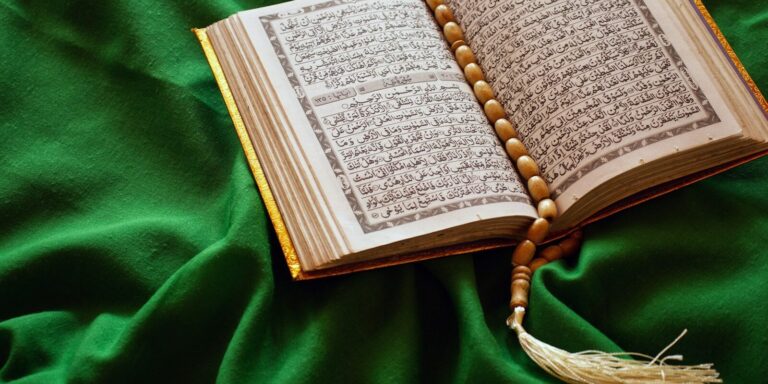
The Night of Destiny, called Laylat al-Qadr in Arabic, is a sacred night during Ramadan, the Muslim month of fasting. According to Islamic belief, it is connected with the revelation of the Quran, Islam’s holy book. It is a time of prayer, seeking forgiveness, and hope in God’s mercy.
In Sunni tradition, believers are encouraged to seek this night among the last ten nights of the month, especially the odd-numbered nights. The twenty-seventh receives particular attention in many communities, but its date is not considered certain. For Christians who pray for Muslims, this period is an opportunity to ask that they come to know Jesus and the forgiveness he offers.
The origins of the Night of Destiny
The connection between this night and the Quran appears in Surah Al-Qadr, the chapter of the book devoted to the subject. The text states that the Quran was sent down on this night, speaks of angels descending, and describes peace until dawn. Muslims find the basis for its religious significance in this passage.
According to Islamic tradition recorded in al-Bukhari’s collection of reports, Muhammad was visited by the angel Gabriel while in the cave of Hira, near Mecca. This episode is associated with the beginning of the revelation. Interpretations differ over how the sending down of the Quran on this night relates to the transmission of revelations to Muhammad.
Why Muslims consider it so important
Surah Al-Qadr describes this night as better than a thousand months. For believers, the comparison expresses the extraordinary value of devoting this time to worship. Their expectation involves praying sincerely, seeking forgiveness, and doing good, with the hope of receiving a special reward from God.
A hadith, a report of words or actions attributed to Muhammad, preserved by al-Bukhari links prayer on this night with the forgiveness of past sins when offered in faith and in the hope of reward. Another tradition, recorded by al-Tirmidhi, teaches a supplication that acknowledges that God loves to forgive and asks for his forgiveness. This helps explain why repentance has such a prominent place on this occasion.
The name is also translated as the Night of Power or the Night of Decree. Some Islamic interpretations connect the occasion with God’s decrees for the coming year. Requests may therefore concern both forgiveness and the future of individuals and their families, within their community’s understanding of this belief.
When it takes place and how it is observed
Ramadan is the ninth month of the Islamic calendar, which follows the cycles of the moon. Its beginning may be determined by sighting the first crescent moon or by calculations, depending on the community. As a result, the month shifts in relation to the calendar used in Brazil and may begin on different days in different countries.
The instruction to seek the Night of Destiny on the odd-numbered nights toward the end of the month appears in a hadith recorded by al-Bukhari. Rather than concentrating all their devotion on a single date, many Muslims set aside several nights for prayer. In the Islamic calendar, the new day begins at sunset, so the night comes before the daylight hours of the corresponding date.
Reading and reciting the Quran, additional prayers, personal requests, and charitable giving are part of this period. Some people attend gatherings at the mosque, the Muslim place of prayer, while others pray at home. A report attributed to Aisha, Muhammad’s wife, says that he intensified his prayer and woke his family during the final nights of Ramadan.
Some observe itikaf, a period of retreat in the mosque devoted to worship. Others fit their times of prayer around work and family life.
For those who observe it, the daily Ramadan fast lasts from dawn to sunset. In the evening, the meal that breaks the fast, called iftar, may bring family and friends together at home or at the mosque. The Night of Destiny focuses on devotion; Eid al-Fitr is a separate celebration marking the end of the month.
Who observes this night
This devotion brings together Muslims from different countries and language communities. A Pew Research Center study published in 2025, using data from 2020, identifies Indonesia, Pakistan, India, and Bangladesh as the countries with the largest Muslim populations. Remembering these places helps us understand that the Islamic faith extends far beyond Arab countries.
Sunnis and Shias, two major traditions within Islam, share a belief in the importance of the night but differ in the dates they emphasize. In the Shia tradition presented by the Al-Islam.org website, the nineteenth, twenty-first, and twenty-third nights receive attention. This difference shows why a single date listed on a calendar does not represent the full diversity of Muslim practice.
The search for forgiveness and the message of Jesus
For a Christian, learning about this search for forgiveness can inspire more attentive prayer for those who take part in it. It is possible to acknowledge their religious devotion and explain your own faith clearly. A respectful conversation begins by listening to what this night means to a particular friend, without assuming you know their answers.
The Christian message presents salvation as God’s gift, received through faith rather than as a result of works, as Ephesians 2:8-9 teaches. Grace is this favor that God freely offers, which no one can earn. Christian hope rests on Jesus, who gave himself for us, as 1 Timothy 2:5-6 teaches.
“For it is by grace you have been saved, through faith, and this is not from yourselves, it is the gift of God”
Ephesians 2:8, NIV
There are also published accounts of people from Muslim backgrounds who connect dreams with their search for Jesus. The article Muslims Who Encountered Jesus in Dreams presents these stories and the care needed when interpreting them. These testimonies do not justify claiming that such experiences happen especially on the Night of Destiny, nor do they replace learning about Jesus through the Bible.
How to pray for Muslim peoples
Many Christians choose to pray during this period because their Muslim neighbors are paying particular attention to forgiveness and their relationship with God. The biblical instruction to pray for all people in 1 Timothy 2:1-4 supports this care throughout the year. The occasion serves as a reminder to intercede, that is, to bring other people before God in prayer.
The prayer campaign for Muslim peoples offers a way to learn about one country and one people group each day during Ramadan. As you take part, remember unreached peoples, communities with little access to the message of Jesus. Ask that they meet Christians willing to listen to their questions and explain the gospel patiently.
With your family or church, you can choose one of these countries, read about its population, and set aside time to pray together. Include the Christians who live there and people who are beginning to learn about the Christian faith. Ask God to give them friendships, opportunities to learn, and wisdom in conversations with their relatives.
If you have a Muslim friend, ask how they observe this period and listen carefully, without turning their devotion into a cause for argument. Pray that they come to know Jesus and find opportunities to read the Bible and discuss faith. Also set aside time to ask God to give churches love and wisdom to welcome those who want to learn.
 Missions Is Allah the Same God Christians Worship?
 Missions Christians from Hindu backgrounds in India: faith, family, and anti-conversion laws
 Missions International Day of Prayer for the Persecuted Church