Missions
Where Christians face the most persecution today
Learn where Christians face the most persecution, according to 2026 data, how pressure affects families, work and churches, and how to pray for these communities.
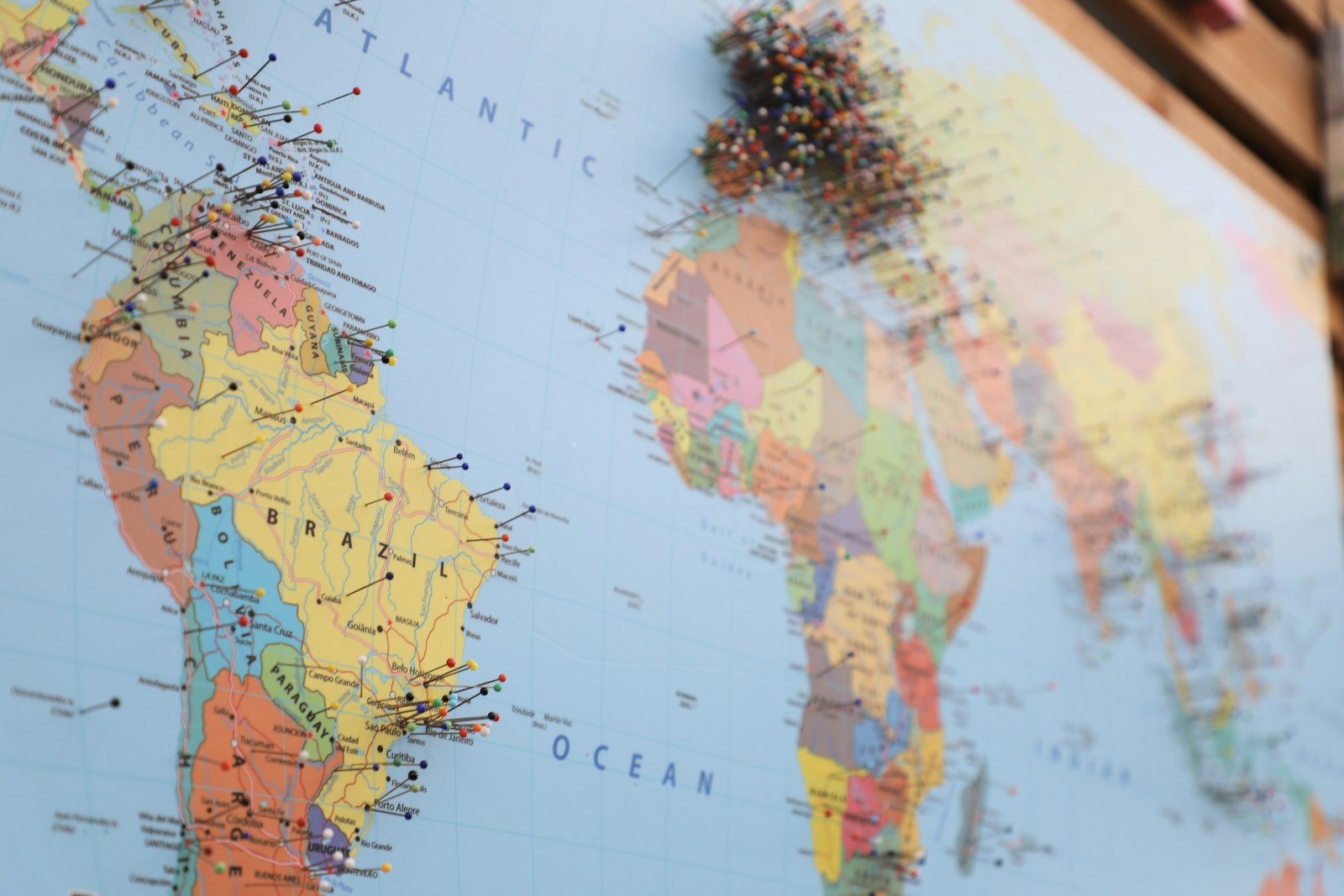
According to the 2026 World Watch List, North Korea is the country where Christians face the most intense persecution. Somalia, Yemen, Sudan and Eritrea follow. Syria, Nigeria, Pakistan, Libya and Iran complete the top ten in this ranking, which is published annually and focuses on the difficulties people face for following Jesus.
Pressure takes different forms depending on the place: hiding one’s faith from one’s own family, facing barriers to employment or needing government permission for the church to meet. To understand where Christians face the most persecution today, we need to look at both countries and these everyday situations.
Understanding persecution data
The 2026 edition of the World Watch List brings together information from October 2024 to September 2025. It assesses pressure in private life, family life, community life, relations with the state and church life. The calculation also considers incidents of violence, without limiting the analysis to them.
A country’s position in the ranking therefore indicates the intensity of the difficulties assessed during that period. It does not tell us how many Christians live in the country or mean that they all have the same experience. Country profiles help reveal differences between regions and between people born into Christian families and those who have changed religions.
Another source is the United States Commission on International Religious Freedom, known as USCIRF. Its 2026 report examines religious freedom conditions during 2025 and covers different religions. These sources have different aims, so their classifications need to be read in light of what each seeks to measure.
Asia: state control and pressure to change faith
In North Korea, the 2026 list’s profile describes faith kept secret, sometimes even within marriage. Gathering Christians together is extremely difficult because of surveillance. A family’s connection with Christianity can also harm its members’ employment opportunities, according to the same research.
China ranks 17th in the 2026 edition. Its profile records state control over authorized churches, including monitoring messages and those attending meetings. Communities operating without registration face other restrictions, such as fines and confiscation of materials. Having an open church building therefore does not mean having freedom for all church activities.
In India, which ranks 12th in 2026, pressure combines social rejection with the use of state laws against religious conversion. According to the country profile, even prayer meetings can lead to accusations of forced conversion. Those who leave Hinduism to follow Jesus may also face pressure from relatives to return to their former religion.
In Pakistan, ranked eighth, the 2026 research highlights accusations of blasphemy, meaning an offense against what a religion considers sacred. The profile also describes discrimination that confines Christians to jobs with low social status. These examples call for attention to laws, authorities and discriminatory practices, without attributing the same attitude to the entire population.
Africa and the Middle East: pressure inside and outside the home
Somalia, Sudan, Eritrea and Nigeria
In Somalia, ranked second in 2026, deciding to follow Jesus can lead to rejection by one’s family group. The country profile describes Christians who hide their faith and struggle to live in community.
In Sudan, ranked fourth, the 2026 profile reports refusal to register churches and church closures, as well as family rejection of people who leave Islam. In Eritrea, ranked fifth, the state recognizes only four religious groups. Most evangelical and Pentecostal churches fall outside this recognition, and their members face surveillance.
Nigeria ranks seventh on the 2026 list. Its profile highlights the situation of Christians in the north, where the application of religious laws and hostility from extremist groups limit their freedom. Converts from Muslim families face particular difficulties. These differences need to be considered when speaking about the whole country.
Yemen, Iran and Syria
In Yemen, ranked third in 2026, the profile reports pressure from both authorities and relatives. Discovering that someone has become a Christian can lead to demands for divorce or separation from their children. The research also records that non-Islamic religious groups cannot register their communities and places of worship with the authorities.
In Iran, ranked tenth, the profile describes Christians from Muslim backgrounds who need to gather their communities secretly in homes. Authorities may treat these meetings as a matter of national security. Because the research period ends in September 2025, the country’s position should be understood as a picture of that period.
In Syria, ranked sixth in 2026, difficulties also affect employment and family relationships. The profile records people being denied jobs or promotions because of their faith, as well as pressure on those who change religions. Speaking respectfully about these situations requires identifying practices and those responsible, without turning Muslims or any other religious group into enemies.
Latin America: obstacles closer to home as well
Cuba ranks 24th on the 2026 list. Its profile describes the monitoring of sermons and difficulties obtaining authorization or registration for churches. These barriers affect a community’s ability to organize its activities, maintain its meeting place and practice its faith without constant government interference.
Nicaragua ranks 32nd in the same edition. The research records the use of refusal or withdrawal of legal recognition to control religious institutions, as well as surveillance of leaders. Catholics and Christians from other traditions are affected.
How to pray for the church and the nations
Paul compares the church to a body in which each person’s life matters to the others. Persecuted Christians are therefore brothers and sisters we should care for:
“If one part suffers, every part suffers with it; if one part is honored, every part rejoices with it.”
1 Corinthians 12:26, NIV
As you pray, choose a country and consider the difficulties described in the sources. Ask God to sustain those who need to hide their faith and give wisdom to families facing rejection. Pray for fair employment opportunities, freedom for churches and authorities who respect each person’s conscience.
Remember unreached peoples as well, communities with little access to the gospel and to a nearby church able to teach them about Jesus. Ask that local Christians have the conditions they need to share their faith with respect and freedom. Pray that those who want to know Jesus will find people willing to listen to their questions and walk alongside them.
The prayer campaign for the persecuted church invites us to keep these people in our prayers. Set aside a moment today to bring one of these communities before God. Ask that its members be strengthened in faith and be able to live, work and speak about Jesus with freedom and love.
 Missions Is Allah the Same God Christians Worship?
 Missions Christians from Hindu backgrounds in India: faith, family, and anti-conversion laws
 Missions International Day of Prayer for the Persecuted Church