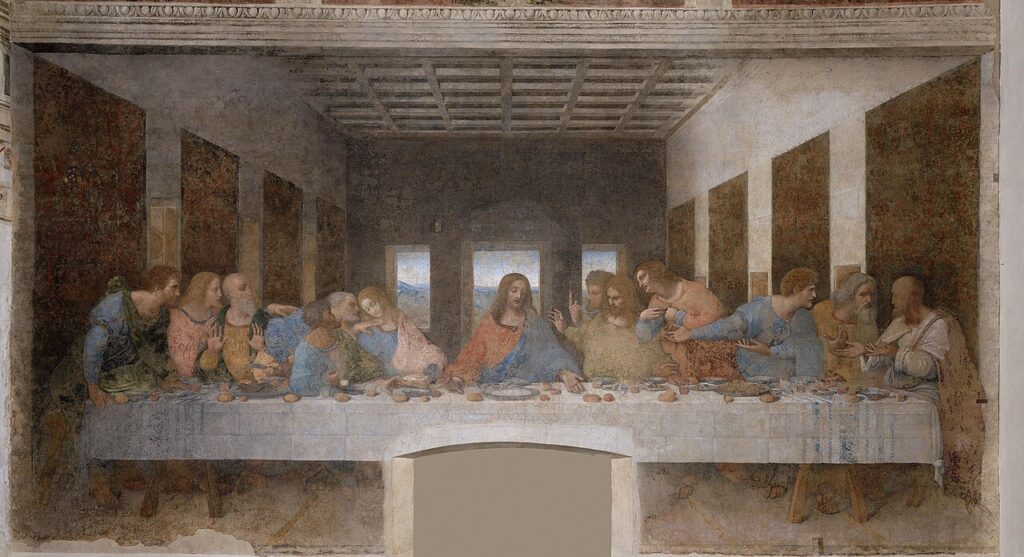
The apostles were men whom Jesus called and sent to proclaim the gospel, the good news of his death and resurrection for the salvation of those who believe. The Twelve had a special place in this mission: they accompanied him during his ministry and received authority to represent him. Their testimony helped establish the first Christian communities.
The word apostle means someone who is sent. A disciple is someone who learns from a teacher and follows that teacher. Jesus had many disciples, but he chose twelve of them for a specific responsibility. The New Testament also presents Paulo as an apostle, called by the risen Christ himself.
Who were the twelve apostles?
Matthew 10:2-4 lists the names of the Twelve. Some shared the same name, so the Gospels include other names they were known by or details about their families. These distinctions help readers follow the accounts without confusing different people.
- Simão Pedro and his brother André.
- Tiago son of Zebedeu and his brother João.
- Filipe and Bartolomeu.
- Tomé and Mateus, identified as a tax collector.
- Tiago son of Alfeu and Tadeu.
- Simão, known as the Zealot (a name associated with a Jewish group devoted to the law and opposed to Roman rule), and Judas Iscariotes, who betrayed Jesus.
Luke 6:13-16 names Judas son of Tiago where Matthew’s list names Tadeu. He is generally understood to be the same apostle and should not be confused with Judas Iscariotes. There were also two men named Tiago: the son of Zebedeu and the son of Alfeu.
Jesus called them to be with him
Before announcing his choice of the Twelve, Jesus spent the night praying to God, according to Luke 6:12-13. Mark 3:14-15 explains that he called them to be with him, to preach and to have authority over demons. Sharing life with Jesus was part of their preparation: they listened to his teaching, watched what he did and received correction.
The Gospels do not portray these men as flawless heroes. They argued about who would be the greatest, became afraid and were slow to understand the path that led to the cross. Pedro even denied Jesus, but he was restored and again entrusted with caring for others, as John 21:15-17 shows. Christ’s grace shaped them amid their weaknesses.
The number twelve also recalls the twelve tribes of Israel. In Matthew 19:28, Jesus himself connects the apostles with the tribes, linking their mission to the history of God’s people. His choice was part of the fulfillment of God’s promises and prepared the way for salvation to be proclaimed among all peoples.
Witnesses to Jesus and the foundation of the church
Jesus was at the heart of the apostles’ message, especially his death and resurrection. In Acts 1:21-22, while discussing a replacement for Judas, Pedro stresses the need for someone who had accompanied Jesus during his ministry and could testify to his resurrection. This responsibility gave the apostles’ message a direct connection to the events they recounted.
“As the Father has sent me, I am sending you.”
John 20:21
Jesus also promised the power of the Holy Spirit so that his followers could be his witnesses to the ends of the earth, in Acts 1:8. At Pentecost, the Jewish festival during which the Holy Spirit was poured out, the apostles publicly proclaimed the resurrection. The new believers devoted themselves to the apostles’ teaching, as Acts 2:42 records. The church grew around the message of Christ.
Ephesians 2:19-22 describes the church as a building resting on the foundation of the apostles and prophets, with Jesus as the cornerstone, the stone that determines the alignment of the whole building. Through their testimony and teaching, the apostles helped establish the church. Christ is the one who sustains his people and brings them together.
Matias and Paulo: two apostles after the original Twelve
After the death of Judas Iscariotes, Matias was chosen by casting lots to replace him and became one of the Twelve, according to Acts 1:26. Paulo received his calling later, when the risen Jesus appeared to him, as Acts 9:1-19 recounts. He was therefore not one of the Twelve who accompanied Jesus during his earthly ministry.
In 1 Corinthians 15:3-10, Paulo brings together the proclamation of Christ’s death and resurrection, mentions his appearances and acknowledges that he became an apostle by God’s grace. Acts 14:14 also calls Barnabé and Paulo apostles. The New Testament’s use of the word therefore extends beyond the original list of the Twelve.
Evangelicals differ in their understanding of the use of the title of apostle today. They share a recognition of the unique importance of the witnesses Christ called and of the apostolic teaching preserved in Scripture. A leader’s title must never take the place of faithfulness to the biblical message about Jesus.
A mission that reaches the nations
The sending of the apostles points to a mission that crosses cultural and linguistic boundaries. In Matthew 28:18-20, Jesus commands his followers to make disciples of all nations, baptizing them and teaching them to obey everything he commanded. The goal includes forming communities that know Christ and live according to his word.
This mission guides our prayers for unreached peoples. Unreached peoples are ethnic groups whose local Christian community, if one exists, is still too small to bring the gospel to the whole group without outside help. We can ask God to prepare people to learn languages, teach Scripture and train local leaders. We can also pray that these communities will faithfully pass on Jesus’ teaching to future generations.