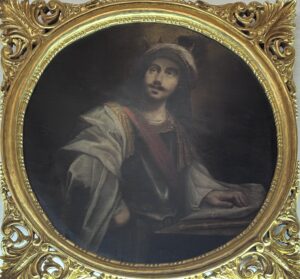
Who has ever felt insecure knowing there is still so much to learn, even after years of studying and teaching something they love? Apollos experienced this: a brilliant preacher who had to accept correction in order to become even more useful to God.
Apollos was a Jew born in Alexandria, Egypt, a city famous for its culture and its large Jewish community. He arrived in Ephesus with a thorough knowledge of the Scriptures and spoke fervently about Jesus, but his understanding of the gospel was still incomplete: he knew only the baptism of John.
It was there that Priscilla and Aquila, a couple who worked with tents, heard him preaching in the synagogue. Instead of exposing him publicly, they invited him to their home and explained the way of God to him more accurately. Apollos accepted the correction without pride, even though he was already recognized as learned and eloquent.
Strengthened by this teaching, he went on to Achaia, in Greece, carrying a letter of recommendation from the brothers in Ephesus. In Corinth, he greatly helped those who by grace had already believed and refuted the Jews in public debate, proving from the Scriptures that Jesus is the Christ.
His work in Corinth continued what Paul had begun, but some Christians began to attach themselves to the name of Apollos, forming a group that rivaled the followers of Paul. Apollos did not seek this prominence. Paul himself summed up what had really happened: I planted the seed, Apollos watered it, but God has been making it grow.
Years later, Paul asked Apollos to visit Corinth again. He preferred to wait for the right moment, and Paul respected that decision. There is no record of any rift between the two. Paul calls him a brother and later asks Titus to help him on a journey.
The life of Apollos shows that talent and biblical knowledge do not exempt anyone from the humility to learn more, and that being used by God does not require seeking followers for oneself. Planting, watering, or reaping are different roles in the same work; growth always comes from God, never from the preacher.