Jebusite · Owner of the threshing floor of the future temple

Araunah

Period~1000 BC, reign of David
Summary
Araunah was a Jebusite who owned a threshing floor on Mount Moriah in Jerusalem. When a plague struck Israel because of David's sin, it was on his very land that the judgment stopped. He offered everything to the king for free, but David insisted on paying for the place, which would later become the site of Solomon's temple.
Who was Araunah
Biography

Have you ever offered something you had, without charging anything, just to see a much bigger problem solved, and later discovered that simple gesture became part of a story far greater than you imagined? That is what happened to Araunah, a nearly forgotten Jebusite in the middle of a great crisis in Israel.

Araunah was a descendant of the Jebusites, the people who inhabited Jerusalem before David conquered the city, and he owned a threshing floor, land where grain was trodden, on top of Mount Moriah. In the original Hebrew of 1 Chronicles his name appears spelled differently, Ornan, but he is the same man from the narrative in 2 Samuel.

King David had ordered a census of the people, and God sent a plague on Israel as judgment. The angel of the LORD stopped right at Araunah’s threshing floor, and the prophet Gad told David that he should build an altar to the LORD there.

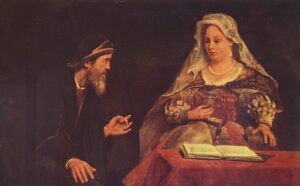
When David came to Araunah to buy the land, he found immediate generosity. Araunah offered to give everything for free: the land, the oxen for the sacrifice, and the wood for the fire, without charging the king a single coin.

David, however, refused the gift. He replied that he would not offer to the LORD his God burnt offerings that cost him nothing, and insisted on paying the fair price for the land and the animals.

On that threshing floor bought with silver and gold, David built the altar, offered the sacrifices, and saw God answer with fire from heaven. The plague ceased in that very place.

Decades later, Solomon would raise the LORD’s temple exactly on Araunah’s former threshing floor, on Mount Moriah. A plot of land bought in haste, in the middle of a judgment, became the heart of Israel’s worship for centuries.

Araunah’s life reminds us that true worship has a cost, and that God can turn the most ordinary ground, offered by someone outside his people, into the stage of his most lasting glory.
Defining verses

I will not sacrifice to the LORD my God burnt offerings that cost me nothing.

2 Samuel 24:24

Then David built an altar to the LORD there and sacrificed burnt offerings and fellowship offerings. He called on the LORD, and the LORD answered him with fire from heaven on the altar of burnt offering.

1 Chronicles 21:26

Visions, prophecies, and deeds

Owner of the threshing floor on Mount Moriah

Araunah, a Jebusite, owned a grain-threshing plot in Jerusalem that centuries later became the courtyard of Solomon's temple.

2 Samuel 24:16; 1 Chronicles 21:15

The angel of the LORD stops at his threshing floor

In the middle of a plague sent as judgment for David's sin, the destroying angel stays his hand right over Araunah's land.

1 Chronicles 21:15-16

The command to build an altar there

The prophet Gad instructs David to raise an altar to the LORD exactly where the judgment stopped.

1 Chronicles 21:18

The generous offer to David

Araunah offers to give the land, the oxen for the sacrifice, and the wood for the fire for free.

2 Samuel 24:22-23; 1 Chronicles 21:23

David's refusal and the fair price

David insists on paying the full price, saying he would not offer God something that cost him nothing.

2 Samuel 24:24; 1 Chronicles 21:24

Fire from heaven on the altar

After the sacrifice on Araunah's former land, God answers with fire from heaven and the plague ceases.

1 Chronicles 21:26-27
Timeline
~1000 BC

David orders a census of the people

The act displeases God and brings judgment on Israel.

~1000 BC

A plague strikes Israel

Thousands die as part of the judgment (1 Chronicles 21:14).

~1000 BC

The angel of the LORD stops at Araunah's threshing floor

The judgment is halted right on Mount Moriah, in Jerusalem (1 Chronicles 21:15-16).

~1000 BC

Araunah offers everything to David for free

Land, oxen, and wood for the sacrifice, without charging anything (2 Samuel 24:22-23).

~1000 BC

David buys the land and builds the altar

He insists on paying the fair price (2 Samuel 24:24; 1 Chronicles 21:24-25).

~1000 BC

Fire from heaven confirms the sacrifice

The plague ceases after the offering on the altar (1 Chronicles 21:26-27).

~970 BC

Solomon builds the temple on the same site

Araunah's former land becomes the temple mount (2 Chronicles 3:1).

Portrait

Willingly offered David the threshing floor, the oxen for the sacrifice, and the wood for the fire, without charging anything

Cooperated immediately so that the judgment striking Israel would stop

Treated King David with respect and readiness, even though he was a foreigner in relation to the people of Israel

Lessons and legacy
Lessons from their life

True worship has a cost: offering God what costs us nothing empties the sacrifice of its value

God can turn a common plot of land, used in everyday work, into a place of encounter with him

Genuine generosity shows up at the right moment, even before it is asked for

People outside the people of God can play a decisive role in the story of faith

Missionary legacy

A Jebusite, a foreigner to Israel, had his land chosen to house the temple where the nations would one day worship

His generosity toward the people of God reminds us that people of any ethnic background can serve God's purposes in the world

The temple raised on a foreigner's threshing floor foreshadows the promise of a house of prayer for all nations (Isaiah 56:7)

Araunah's readiness to give up what was his illustrates how the nations can literally make room for the work of God

Family and context
Family and relationships
People Jebusite, resident of Jerusalem before the Israelite conquest
Contemporary David, king of Israel (2 Samuel 24; 1 Chronicles 21)
Contemporary Gad, prophet of David's court (1 Chronicles 21:9-19)
Nations mentioned

Jebusites (ancient inhabitants of Jerusalem)

1 Chronicles 21:15

Related places

Araunah's threshing floor

Grain-threshing plot on Mount Moriah, in Jerusalem, present-day Israel

Mount Moriah

Hill in Jerusalem where Solomon's temple would be built

Jerusalem (Jebus)

Jebusite city conquered by David, capital of Israel

Where to find them in the Bible

Araunah's story is told in 2 Samuel 24:15-25, and the same narrative appears in 1 Chronicles 21:14-30. In the original Hebrew of 1 Chronicles his name appears spelled Ornan. The site of his threshing floor, on Mount Moriah, is identified as the future site of Solomon's temple in 2 Chronicles 3:1.

Other people