329–379

Bishop · Theologian · Philanthropist

Basil of Caesarea

Summary
Bishop of Caesarea in Cappadocia and one of the Cappadocian Fathers who defended the divinity of the Holy Spirit against Arianism. He created the Basiliad, a complex with a hospital, an inn, and a shelter for lepers that became a model of Christian care for the poor and the sick.
Who they were
Biography

Every time someone walks into a Christian hospital, receives free care, or finds shelter for the poor, there is a thread that leads back to a fourth century bishop: Basil of Caesarea, who built the first great hospital complex in Christian history.

He was born around 329 in Caesarea of Cappadocia, in present-day Turkey, into a Christian family of unusual wealth and devotion. His grandmother Macrina the Elder, his mother Emmelia, and his siblings, among them Macrina the Younger and Gregory of Nyssa, are also remembered as saints in the Christian tradition.

He studied rhetoric in Caesarea, Constantinople, and Athens, where the future emperor Julian was among his fellow students and where he formed a lasting friendship with Gregory of Nazianzus. He returned to Cappadocia around 356, his studies complete, but dissatisfied with the career that awaited him.

A journey to monastic communities in Egypt and Syria, together with the influence of the ascetic Eustathius of Sebaste, changed the course of his life. Basil gave away part of the family estate and founded, around 358, a monastic community at Annisa, in Pontus, writing rules that still guide Eastern monasteries today.

Ordained a presbyter and elected bishop of Caesarea in 370, he faced pressure from the emperor Valens, who leaned toward Arianism, without ever retreating from his faith in the Trinity. During the famine of 369, he organized the distribution of bread and built the Basiliad: a hospital, an inn, and a shelter for lepers on the outskirts of the city.

As a theologian, he wrote the treatise On the Holy Spirit, gathering biblical arguments to defend the Spirit’s divinity before those who denied it. For years, out of pastoral caution, he avoided the Greek term affirming the Spirit’s same essence with the Father, which drew criticism from more zealous Christians on his own side.

He did not always act without fault: in 372, he pressured his friend Gregory of Nazianzus into accepting the obscure bishopric of Sasima, for political reasons in a territorial dispute with the bishop of Tyana. Gregory accepted reluctantly, never actually took up the diocese, and never forgot what he considered an imposition, a wound that marked a friendship of decades.

He died in Caesarea on January 1, 379, before turning fifty, worn down by decades of fasting and doctrinal disputes. Alongside Gregory of Nazianzus and Gregory of Nyssa, he became known as one of the Cappadocian Fathers, and the Basiliad he founded is still cited as the origin of Christian hospitals, inspiring mission-linked health ministries to this day.
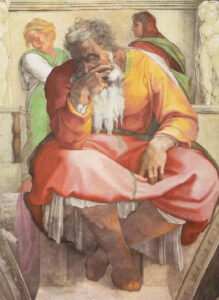
“The bread sitting in your pantry belongs to the hungry; the coat hanging in your closet belongs to the one who is naked.”
Basil of Caesarea · Homily on the Rich (In illud: Destruam horrea mea), on Luke 12:18
Timeline
329

Birth in Caesarea of Cappadocia

Comes from a Christian family spanning several generations, with a grandmother, mother, and siblings remembered as saints.

c. 350

Studies in Caesarea, Constantinople, and Athens

In Athens, becomes friends with Gregory of Nazianzus and a fellow student of the future emperor Julian.

356

Return to Cappadocia

Visits monastic communities in Egypt and Syria before deciding the direction of his life.

358

Founding of the monastic community at Annisa

In Pontus, alongside his sister Macrina, begins the communal life that would give rise to his rules.

362

Ordination as presbyter

Ordained in Caesarea, begins working directly alongside Bishop Eusebius.

369-372

Founding of the Basiliad

Amid a severe famine in Cappadocia, builds the complex with a hospital, an inn, and a shelter for lepers.

370

Election as bishop of Caesarea

Takes charge of the diocese and begins facing pressure from the Arian emperor Valens.

372

Pressure on Gregory of Nazianzus

Convinces his friend to accept the bishopric of Sasima for political reasons, wounding their friendship.

379

Death in Caesarea

Dies on January 1, before turning fifty, after decades of fasting and doctrinal disputes.

Works and milestones

Monastic Rules (Long Rules and Short Rules)

c. 358-364

Norms for communal life, liturgical prayer, and manual labor that became the foundation of Eastern monasticism.

Monastic community at Annisa

358

Founded, in Pontus, a community of ascetic life alongside his sister Macrina, the seed of his future monastic rules.

Against Eunomius

364

Treatise refuting the Arian theology of Eunomius, defending the full divinity of the Son.

Basiliad

369-372

Complex with a hospital, an inn, and a shelter for lepers, built in Caesarea during a severe famine.

On the Holy Spirit

c. 375

Treatise systematizing the biblical and patristic arguments in defense of the Holy Spirit's divinity.

Hexaemeron

378

Series of homilies on the six days of creation, widely read throughout the history of the Church.

Contributions
1

Organized Christian hospital

The Basiliad brought together, in a single complex, medical care, shelter, and care for lepers, becoming a reference for Christian hospital care.

2

Structured monasticism

His rules organized communal life, liturgical prayer, and manual labor, shaping Eastern monasticism to this day.

3

Defense of the Trinity

His treatise on the Holy Spirit supplied much of the argumentation that would underpin the trinitarian definition of the Council of Constantinople in 381.

4

Pastoral network through letters

More than three hundred surviving letters show a bishop who united colleagues from many regions in a common theological and pastoral cause.

Missionary legacy

The Basiliad is still cited today as the origin of the organized Christian hospital, a model for mission-linked health ministries around the world.

His monastic rules continue to sustain communities of prayer and work in Eastern Orthodox churches, with an indirect influence on Western monastic orders.

His defense of the Holy Spirit's divinity gave theological grounding to the Christian witness concerning the person and work of the Spirit in churches around the world.

His example as a bishop who cared for both the souls and the bodies of the poor continues to inspire Christian health and relief projects in cross-cultural mission contexts today.

Other people