Bible
Abraham and the blessing for all the families of the earth
God called Abraham to form a people and, through him, to bless all the peoples of the earth. Explore this promise and what it tells us about missions.
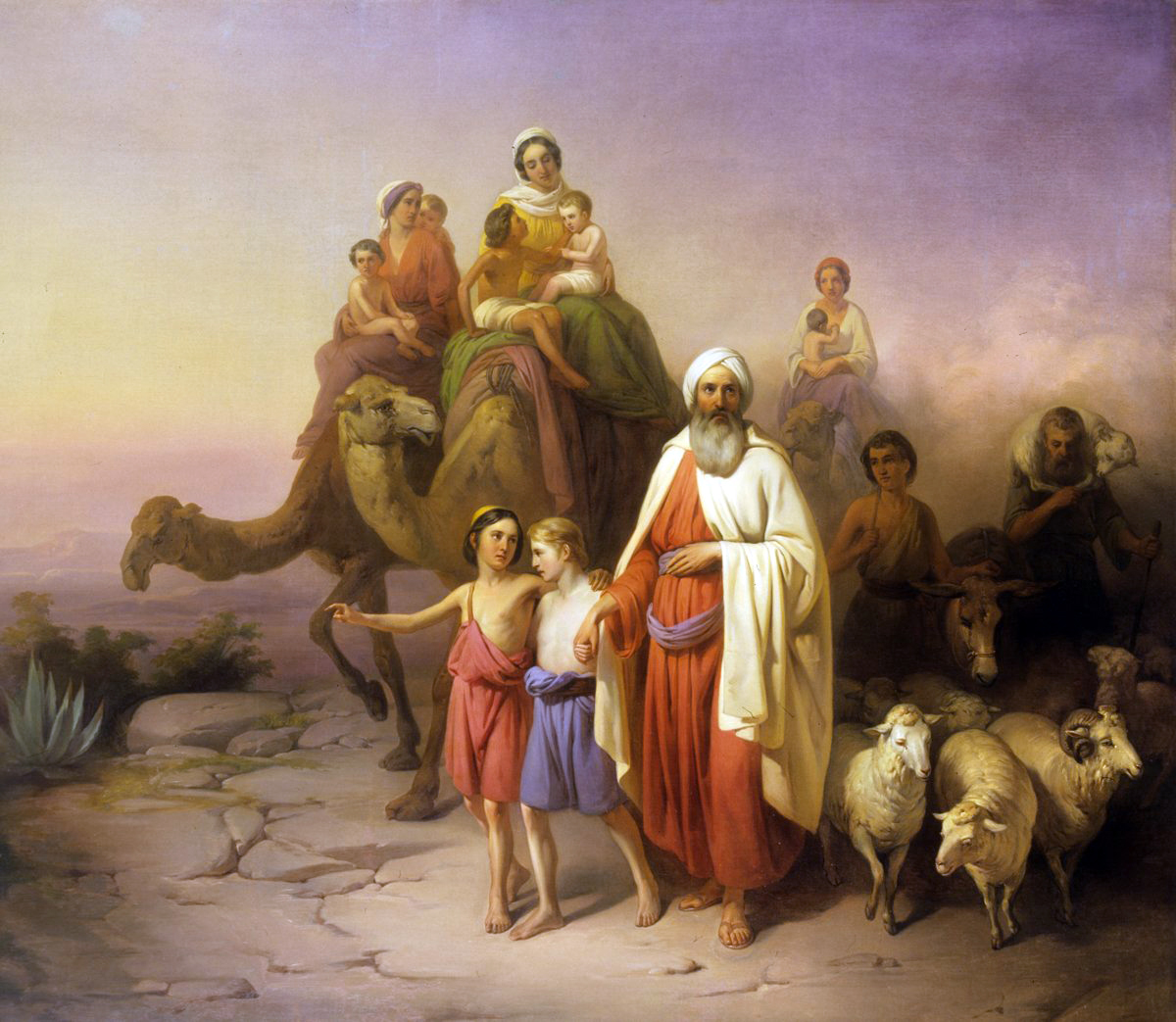
Abraham was a man whom God called to leave his homeland and go to an unfamiliar place. With the call came a promise: through him, all the peoples of the earth would be blessed. Some translations say “all the families of the earth”; others say “all peoples.” The meaning is the same: the blessing was not just for him.
This promise is the starting point for God’s mission throughout the rest of the Bible.
The call
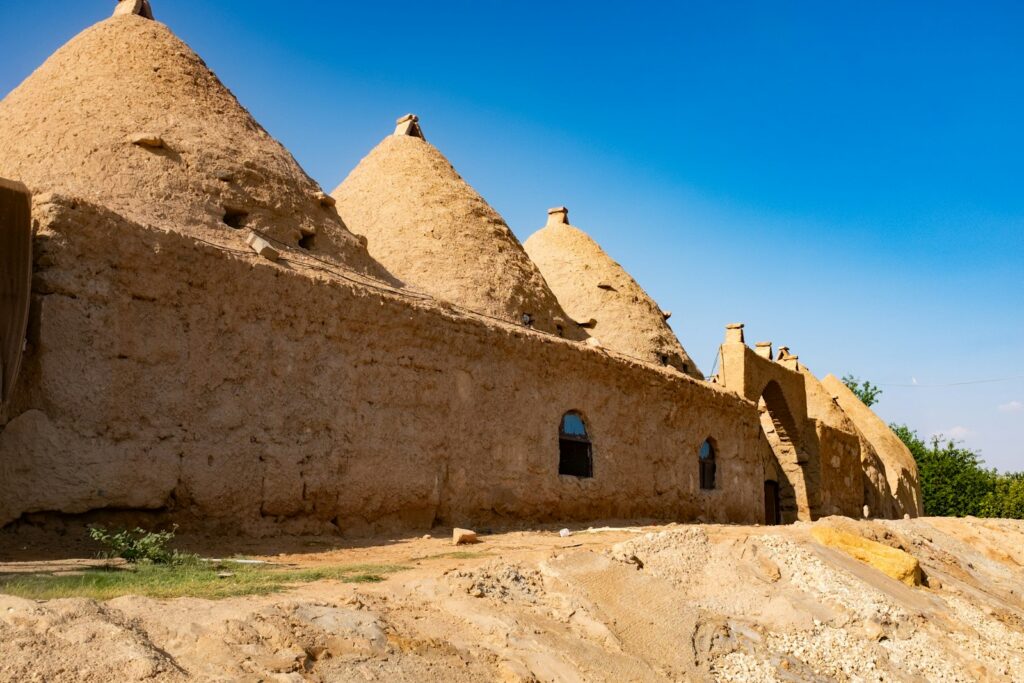
Abraham, then called Abram, lived with his family in Harran, in what is now southeastern Turkey (Genesis 11:31). There God told him to leave his land, his relatives, and his father’s household and go to the land he would show him (Genesis 12:1). He was 75 years old when he left (Genesis 12:4).
God promised to make him into a great nation, bless him, and make his name great. The final part of the promise is especially relevant to missions:
“…and all peoples on earth will be blessed through you.”
Genesis 12:3
The promise was repeated
God said this to Abraham again in Genesis 18:18 and, after the test on Mount Moriah, in Genesis 22:18, where the blessing comes through his offspring. He later repeated the promise to Isaac (Genesis 26:4) and Jacob (Genesis 28:14).
In Genesis 17:5, God changed Abram’s name to Abraham and called him the father of many nations.
Blessed to be a blessing
Abraham did not keep the blessing to himself. In Genesis 18, when God announced judgment on Sodom, Abraham interceded, that is, he pleaded with God on behalf of those cities. In Genesis 20:17, after Abraham prayed, God healed Abimelek, king of Gerar, and his family.
What the New Testament says
Paul states that Scripture foresaw that God would justify the Gentiles by faith, and so announced the gospel to Abraham in advance: through him all nations would be blessed (Galatians 3:8). “Justify” means to declare someone righteous before God. “Gentiles” are the peoples who are not Israel. For Christians, this blessing comes through faith in Jesus, a descendant of Abraham (Galatians 3:14; Matthew 1:1).
At the end of the Bible, John sees a great multitude from every nation, tribe, people, and language before the throne (Revelation 7:9). This is the promise to Abraham coming to fulfillment.
Abraham and the nations today
Those who believe in Jesus have received the blessing promised to Abraham, along with the task of passing it on. According to the Joshua Project, there are still more than 7,000 unreached peoples, with almost no Christians or churches.
Praying and sending missionaries to these peoples means taking part in the promise made to Abraham: that no family on earth should be left out of the blessing.
 Bible Babel and Pentecost: From Confused Languages to the Gospel in Every Language
 Bible Biblical manuscripts: how we know the text is reliable
 Bible What is the best Bible translation in Portuguese