Bible
Biblical manuscripts: how we know the text is reliable
Discover what the Dead Sea Scrolls, papyri and textual criticism reveal about the transmission and reliability of the biblical text.
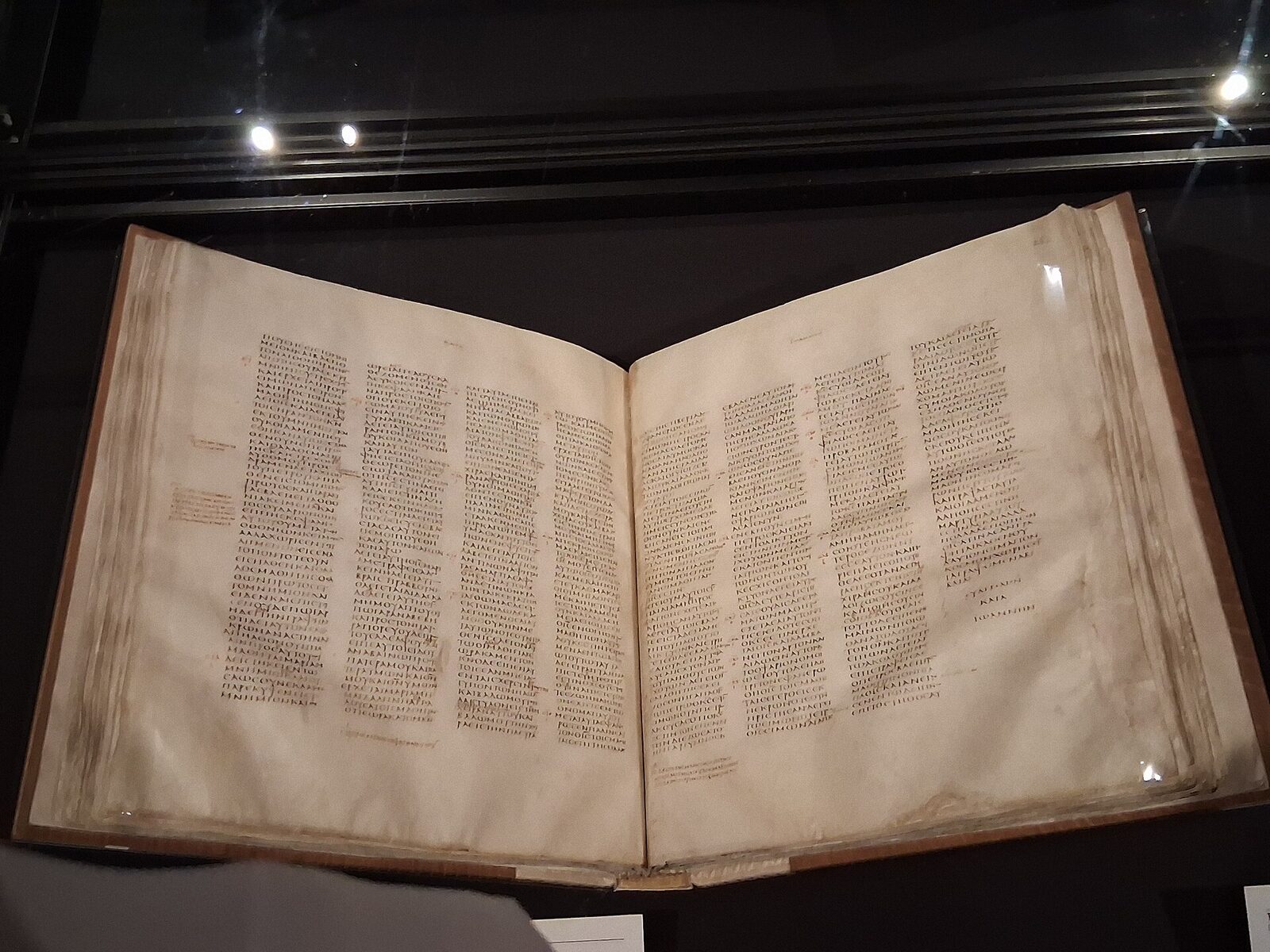
Biblical manuscripts provide a historical basis for trusting the transmission of the text: researchers can compare ancient copies, identify differences and assess which words belong to the earliest form they can recover. This confidence takes into account both agreement among the documents and questions requiring further study. Differences between copies are known and form part of the research.
A manuscript is a text written by hand. Before printing, biblical books were copied on materials such as papyrus, made from a plant, and parchment, prepared from animal skin. We do not have the original documents written by the New Testament authors, but we have copies that allow us to investigate how their words reached us.
What the Dead Sea Scrolls reveal
Discoveries in the caves at Qumran, near the Dead Sea, began in 1947. The documents included copies of books of the Hebrew Bible, which Christians receive as the Old Testament, alongside other Jewish religious writings. Describing the entire collection as a complete Bible found in a cave would therefore be inaccurate.
One important example is the Great Isaiah Scroll. According to the Israel Museum, it was copied around 125 BC and preserves every chapter of the book. This document allows scholars to compare a copy made before Jesus’ birth with the Hebrew tradition transmitted in manuscripts from many centuries later.
The Israel Antiquities Authority notes that many biblical texts from Qumran are very close to the Masoretic Text, the Hebrew tradition preserved by Jewish scholars. It also records differences in spelling, added words and missing words in some documents. The discoveries show continuity in transmission and help us understand its diversity, without supporting the claim that every copy is identical.
Papyri and the number of New Testament manuscripts
For the New Testament, Greek copies are essential for comparison because they preserve the text in the language in which its books were written. Some are small fragments; others contain extensive portions of books or collections. A fragment helps scholars study the passage it preserves, but does not allow conclusions about pages that have disappeared.
The papyrus known as P52, held at the John Rylands Library in Manchester, contains passages from the Gospel of John. The catalog of the Center for the Study of New Testament Manuscripts dates this fragment to the second century. This does not mean we know the exact year it was copied or that it is a complete copy of the Gospel.
P46, meanwhile, preserves a collection of Paul’s letters. The same catalog dates its production to around the year 200, between the late second and early third centuries. There are also large parchment manuscripts, such as Codex Sinaiticus, from the fourth century. A codex is a volume of bound leaves, similar in format to modern books.
How many manuscripts exist? In 2023, the Institute for New Testament Textual Research at the University of Münster in Germany reported that its catalog contained 5,700 entries for Greek manuscript witnesses. These are documents preserving the text, including fragments, partial copies and books containing passages selected for reading in worship. This total does not represent thousands of complete Bibles.
The number is not fixed: new discoveries and corrections to catalog entries can change the count. The quantity increases the opportunities for comparison, but the value of each copy depends on the text it preserves and its relationship to the others.
How textual criticism works
Textual criticism is the study of documents through comparison to assess the earliest wording of a text. In this context, criticism means careful analysis. Researchers place copies side by side and examine the differences, called textual variants. They then investigate how each form of the text might have arisen during transmission.
Some differences are simple: a word spelled differently, a repetition or a change in word order. Others involve words or phrases present in some copies and absent from others. Scribes could accidentally skip a line; they could also try to clarify an expression or bring a passage into line with another they knew.
Imagine someone copying a letter and repeating a sentence without noticing. If other copies preserve the sentence only once, comparison helps identify the repetition. With biblical manuscripts, the work requires greater care: scholars assess the age of the documents, relationships between copies, the author’s language and the context of the passage.
The decision therefore does not work like a vote in which the version found in the most documents automatically wins. Many copies may repeat a change inherited from the same exemplar. Researchers also consult ancient translations and quotations by early Christian writers, taking into account the limits of each type of evidence for reconstructing the text.
What the differences mean for confidence in the Bible
The existence of variants does not require readers to regard the entire Bible as uncertain. Each difference must be examined for its significance. One example appears at the end of Mark: the NIV notes that some manuscripts lack Mark 16:9-20 and others have different endings. The note makes readers aware of the issue.
This example also prevents all variants from being treated as simple spelling mistakes. Some require more extensive discussion, and there are passages where researchers disagree about the best reading. Responsible confidence acknowledges these questions and considers the reasons given for each choice. Reading a translation’s notes helps explain why certain editions differ.
In evangelical faith, the Bible’s authority is linked to its inspiration by God. Paul expresses this conviction in his guidance to Timothy, connecting Scripture with teaching and the formation of believers. Manuscript research addresses a related question: how the text was copied and which wording the evidence supports.
“All Scripture is God-breathed”
2 Timothy 3:16, NIV
Comparing documents offers historical reasons for trusting transmission, while inspiration is a conviction of faith. The number of manuscripts alone does not demonstrate every event narrated. For Christians, studying the copies can go hand in hand with receiving Scripture as God’s Word and paying attention to what it teaches.
From the preserved text to the Bible in every people’s language
Careful work with manuscripts has a practical consequence for Bible translation. Translators need to understand the source text and express its meaning clearly in the language of those who will read or hear it. Research and notes on variants assist this work, which requires knowledge of languages and respect for readers.
Romans 10:17 connects faith with hearing the word of Christ. This gives the Church a reason to want people from different peoples to understand the gospel. The prayer campaign for Bible translation is an invitation to bring this desire to God, remembering those who will receive and teach the translated text.
Pray for wisdom and faithfulness for translators, reviewers and speakers of the languages involved. Ask that churches will teach Scripture clearly and that unreached peoples, among whom access to the gospel is still limited, will come to know Jesus. Give thanks for the Bible you can read, and pray that others will also understand its message.
 Bible Babel and Pentecost: From Confused Languages to the Gospel in Every Language
 Bible What is the best Bible translation in Portuguese
 Bible Hebrew, Aramaic and Greek: the original languages of the Bible