Bible
What is the best Bible translation in Portuguese
Explore the differences between ARC, ARA, NAA, NVI, NVT and NTLH, and learn how to choose a Bible translation for reading and study.

The best Bible translation in Portuguese depends on how you intend to read and the language you understand most easily. For beginners, NVI, NVT and NTLH can make reading easier; for following the form of the original text more closely, ARC, ARA and NAA offer useful approaches. None needs to be treated as the only correct translation.
A good choice combines faithfulness to the biblical texts, understanding and practical use. You can adopt one version for daily reading and consult another for study, without turning differences in vocabulary into arguments. Understanding the purpose of each translation helps you choose with greater confidence.
Why are there several Bible translations?
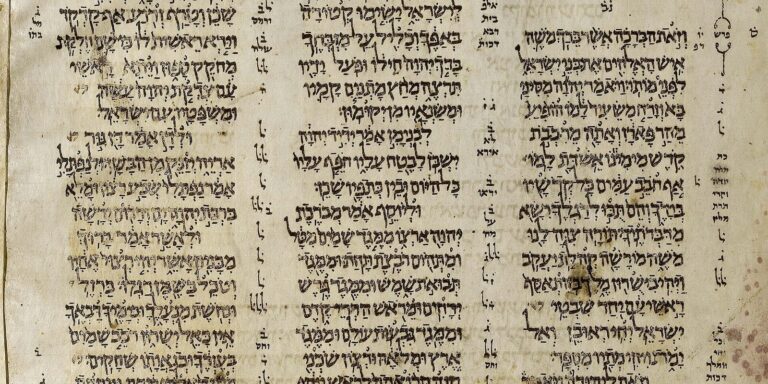
The biblical texts were written in Hebrew, Aramaic and Greek. Translating these texts into Portuguese involves decisions: a word can have different meanings depending on the sentence, and an expression that is natural in another language can sound strange in Portuguese. The translator needs to consider both words and context.
Portuguese also changes. Terms familiar to readers from another era may need explaining today, and traditional phrasing is not always easy for beginners. That is why there are both revisions of earlier translations, such as those in the Almeida family, and new translation projects.
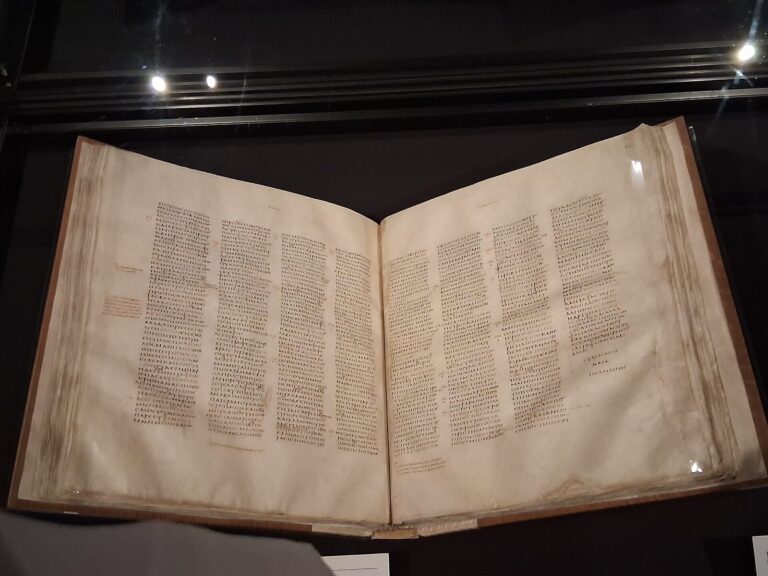
Some differences also involve manuscripts, the ancient copies used to study the biblical text. ARC and ARA, for example, follow different editions of the Greek New Testament text. A note on differences between manuscripts may therefore explain why a particular passage appears differently in one version.
What is the difference between formal and dynamic translation?
Formal equivalence is a method that seeks to preserve, as far as possible, the words and structure of the source text. This can help readers notice repetitions and relationships between expressions. In some passages, however, the sentence structure becomes less natural in Portuguese and calls for more attentive reading.
Dynamic or functional equivalence seeks to communicate the meaning of the text using constructions natural to the reader. An expression may be reworded to make the message understandable. This method requires care to clarify the meaning without adding ideas that are not in the text.
These approaches can be combined. The NVT preface, for example, explains that it considers aspects of both methods, and NAA also allows dynamic solutions when necessary. It is therefore helpful to avoid rigid labels: a more formal translation also interprets, and a translation in simple language can also be rigorous.
ARC, ARA, NAA, NVI, NVT and NTLH: understanding the differences
Dates help identify the projects, but they do not serve as a ranking of quality. An older translation may remain useful, while a recent one may better meet a particular need. Also check the edition on the copyright page, since a copy’s printing year may differ from the year of the translation.
ARC: Almeida Revised and Corrected
The edition that became known as ARC was published in 1898, according to the history presented by the Bible Society of Brazil. It follows formal equivalence and closely preserves Almeida’s traditional style, although it has undergone revisions. Its vocabulary includes words uncommon in everyday Portuguese.
It can be a good choice for those who appreciate this language or belong to a community that uses the version. Beginners may find it helpful to consult a translation in contemporary language when an unfamiliar word appears. Familiarity with the style should go hand in hand with understanding what is written.
ARA: Almeida Revised and Updated
The complete ARA Bible was published in 1959, with a second edition in 1993. It retains Almeida’s style while updating the language compared with the Revised and Corrected version. Its approach remains close to the form of the original text.
It is an option for those who want traditional language with some updating, for personal reading, study and worship. Even so, certain constructions may seem removed from everyday speech. If they make reading difficult, comparing the passage with another version can help.
NAA: New Almeida Updated
Published in 2017, NAA is a revision of ARA. It preserves features of the Almeida tradition and uses contemporary written Portuguese, prioritizing formal equivalence while making adjustments for clarity. It can serve readers who want to study, memorize and follow public readings in more current language.
NVI: New International Version in Portuguese
The complete NVI appeared in the early 2000s and received a recent revision in 2023, carried out by nine biblical scholars and two linguists over three years. It seeks to preserve the force and central expressions of the originals in contemporary Portuguese, avoiding unnecessarily difficult religious language. It is an option for daily reading, study and church use; when comparing copies, note which revision is being used.
NVT: New Transforming Version
Released in 2016, NVT was translated from the original languages and seeks to combine accuracy with fluent reading. Its preface explains that it uses a more literal translation when this is clear and a dynamic approach when necessary. It can help readers who want to follow a passage’s argument with fewer interruptions caused by the language.
NTLH: New Translation in Today’s Language
NTLH was released in 2000. It adopts dynamic equivalence and uses everyday Brazilian Portuguese, with attention to people who have little contact with the Bible or do not read regularly. It can be especially useful for a first reading and for introducing the biblical text to new readers.
How can you choose a translation?
Start with understanding. Read the same passage in a few versions and see whether you can explain in your own words what happened or what the argument is. Then consider how you will use it: following your church’s translation can make shared reading and discussion of the text easier.
- To get started: try NTLH, NVT or NVI and see which language helps you stay focused.
- For more detailed study: compare a version from the Almeida family with NVI, NVT or NTLH, paying attention to context and notes.
- For group reading: agree on a main version so everyone can follow the passage.
- For memorization: choose a translation you understand and try to keep the same wording as you memorize.
Do not choose solely by the beauty of the cover or the number of additional features. A study Bible brings together a translation and its editors’ commentary; it is important to distinguish the biblical text from these explanations. Before buying, try reading a sample and check whether the type size and page layout are comfortable.
Pray for those who still have no translation
While we can compare versions in Portuguese, many people have no Scripture in their own language: the United Bible Societies’ 2025 translation report speaks of around 123 million people in this situation. There are also people who have portions of Scripture and are still waiting for a complete translation.
This reality guides the Route of Nations prayer campaign for Bible translation. As you read your chosen version, remember unreached peoples, those with little access to the gospel, and communities awaiting Scripture in their language. Pray for wisdom and perseverance for translators and reviewers, and that these people will come to know Jesus and understand the biblical message.
 Bible Babel and Pentecost: From Confused Languages to the Gospel in Every Language
 Bible Biblical manuscripts: how we know the text is reliable
 Bible Hebrew, Aramaic and Greek: the original languages of the Bible