History
Who were the Levites and what did they do in the temple
Learn who the Levites were, how they differed from priests, their temple duties, and the lessons of the good Samaritan and Barnabas.
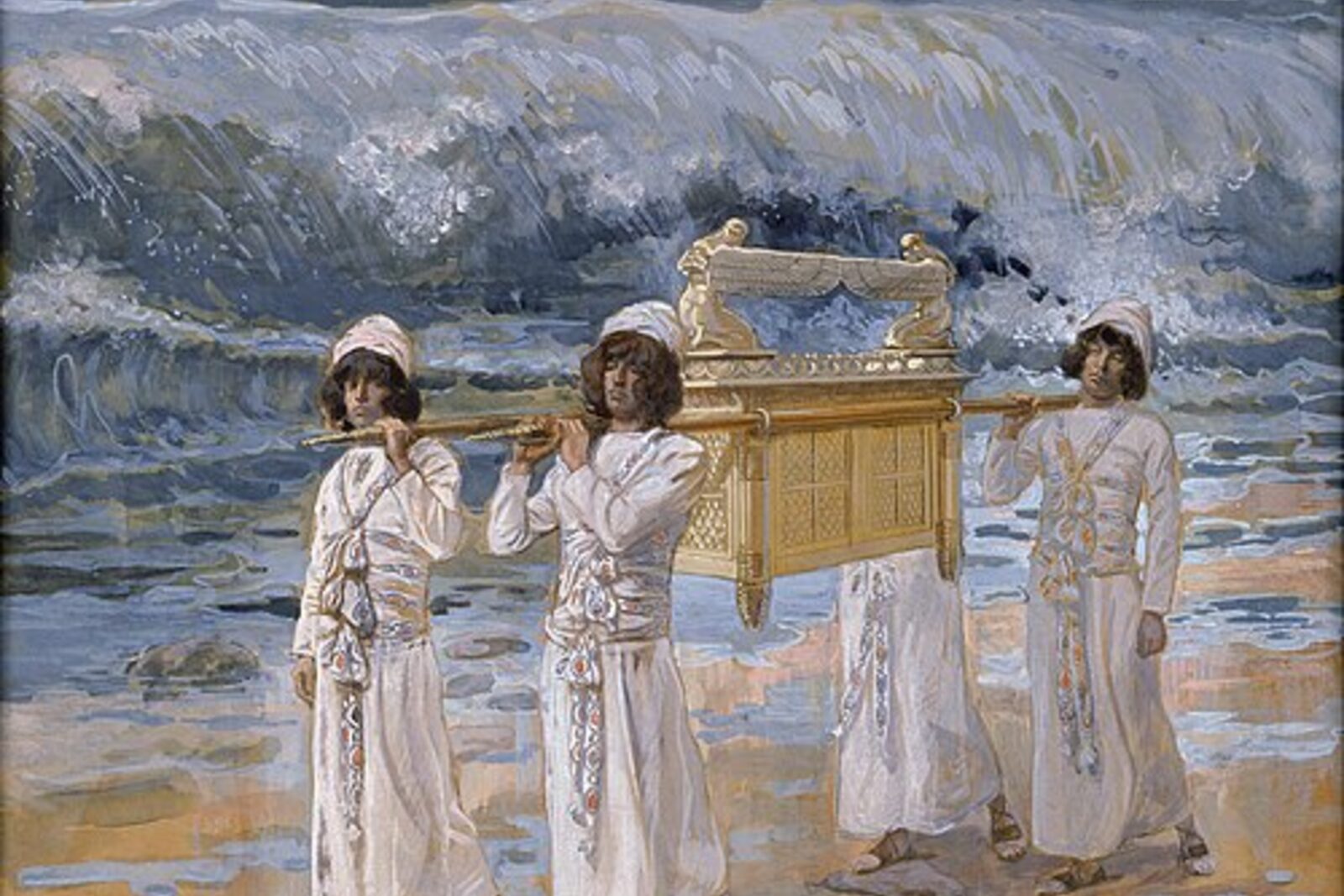
The Levites were descendants of Levi, the son of Jacob and Leah, set apart by God to serve at Israel’s place of worship. Their responsibilities included helping the priests, guarding the gates, and taking part in the music. Being a Levite was a status acquired by birth, tied to the tribe of Levi, rather than simply a musical role.
In Jesus’ day, they remained connected with the religious life of Jerusalem. The New Testament mentions Levites sent to John the Baptist, a Levite in the parable of the good Samaritan, and Barnabas, a follower of Jesus. These accounts show people with the same background but different attitudes and life stories.
The tribe of Levi and the priests
Genesis 29:34 records the birth of Levi into Jacob’s family. Later, God set apart his tribe to assist Aaron and his sons at the tabernacle, the tent used for worship during Israel’s journey through the wilderness. This service was performed on behalf of the entire community (Numbers 3:5-10).
There was an important distinction between priests and Levites. In the arrangement described in Numbers, the priests were Aaron’s descendants, members of the tribe of Levi, responsible for the duties of the altar. The other Levites helped with the service but were not authorized to carry out these priestly duties (Numbers 18:1-7). Thus, a priest of this order was a Levite, but not every Levite was a priest.
In the wilderness, Levitical families cared for parts of the tent and transported its furnishings, following specific instructions (Numbers 3:25-37; 4:1-15). Their work involved physical effort, organization, and care. From the beginning, therefore, the Levites’ responsibility was broader than singing or playing instruments.
Music, gatekeeping, and care of the temple
The temple in Jerusalem was a permanent building, unlike the tent carried through the wilderness. According to 1 Chronicles 23:24-32, the Levites assisted Aaron’s descendants and cared for the courtyards, rooms, and preparation of food used in offerings presented to God. The text also mentions praise in the morning and evening.
“The duty of the Levites was to help Aaron’s descendants in the service of the temple of the Lord”.
1 Chronicles 23:28, NIV
The music had its own organization. First Chronicles 25:1-8 presents families of musicians under the direction of Asaph, Heman, and Jeduthun, with people trained to sing and play. There was instruction and a division of responsibilities, involving both the more experienced and those who were learning.
Other Levites were gatekeepers, responsible for guarding the temple gates and entrances, with tasks divided among families (1 Chronicles 26:12-19). Worship also depended on these less visible duties. The account gives attention both to those leading the music and to those looking after the entrances.
The Levites in the time of Jesus
John 1:19-23 records that priests and Levites were sent from Jerusalem to ask John the Baptist who he was. This is biblical information about their participation in the religious life of that period. The passage, however, does not describe the work of all Levites or allow us to attribute the same opinion to all of them.
Outside the Bible, Josephus, a Jewish historian, mentions Levites who sang hymns and obtained permission to wear linen garments similar to those of the priests. The episode appears in Jewish Antiquities, book 20, sections 216-218. It is historical testimony about Levitical singers, rather than a biblical account or a complete description of the entire tribe.
Why did the Levite not help the wounded man?
In the parable of the good Samaritan, a story Jesus told to teach a lesson, a man is robbed and left nearly dead on the road between Jerusalem and Jericho. A priest passes without helping. Then a Levite sees the wounded man and also passes by on the other side (Luke 10:25-37).
Jesus does not explain the Levite’s motives. Attributing his attitude to fear, haste, or a religious rule would add an explanation the account does not provide. The explicit point is that a Samaritan, someone from the people of Samaria, approaches, treats the wounds, and pays for the man’s lodging.
Jesus’ final question highlights who acted as a neighbor: the one who showed mercy. The story teaches that religious status does not replace practical care for those who suffer. It does not justify contempt for Levites or Jews, since Jesus uses the characters to teach love for one’s neighbor, rather than to define the character of an entire people.
Barnabas, service today, and the nations
Acts 4:36-37 identifies Barnabas as Joseph, a Levite from Cyprus. He sold a field and gave the money to the apostles as part of the community’s care for those in need. The text does not say that he was a musician or had worked in the temple. His Levitical identity does not allow us to draw that conclusion.
Later, Barnabas encouraged those who had believed in Jesus in Antioch, where the message was also reaching Greeks (Acts 11:19-26). Then the church sent Barnabas and Saul on mission, after prayer and fasting (Acts 13:1-3). A Levite thus took part in the spread of the gospel beyond his own people.
The lesson for today is to unite worship, generosity, and mercy. Jesus reaches people from different groups: he welcomed Samaritans (John 4:39-42), and his gospel also reached a Levite such as Barnabas (Acts 4:36-37). We can pray for unreached peoples, those with little access to the gospel, and support those proclaiming Jesus in their languages. This service also begins when we give attention to someone from a different background near us. See also the other groups from the time of Jesus.
 History Who were the tax collectors and why were they hated
 History Who were the Sadducees?
 History Who were the Samaritans and why did Jews and Samaritans not get along