History
Groups in the Time of Jesus: Who Was Who in the Gospels
Explore the groups in the time of Jesus, their differences and their encounters with him in the Gospels, from the temple to villages and other peoples.
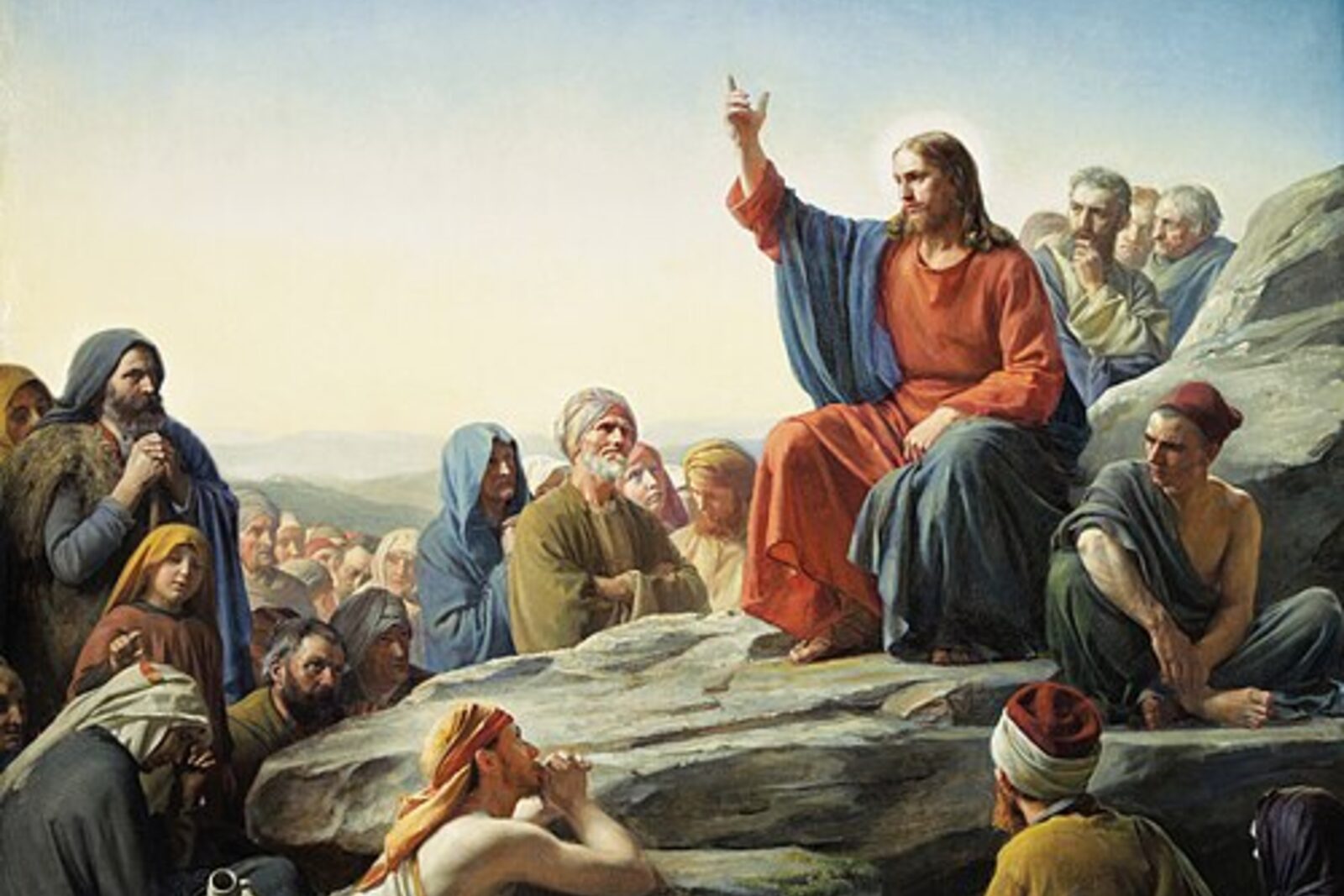
The groups in the time of Jesus included religious movements, authorities, workers and different peoples. Pharisees and Sadducees debated the interpretation of Scripture; priests served in the temple; tax collectors collected taxes. Knowing these differences helps us understand the questions, conflicts and encounters described in the Gospels, the biblical accounts of Jesus’ life.
These categories could overlap: someone could be a Galilean, a fisherman and a disciple at the same time. Jesus was Jewish, as were his first followers. Confrontations with particular leaders therefore need to be read within this context, without turning the entire Jewish people into Jesus’ opponents.
Rome, Herod, temple and synagogue
Jesus lived in a region under Roman rule. As Boston College’s historical materials explain, Herod the Great ruled with Roman support; later, his territory was divided. During Jesus’ public ministry, Herod Antipas ruled Galilee, while Pontius Pilate was the Roman governor of Judea, as Luke 3:1 also records.
The Jerusalem temple was the center of sacrifices and major Jewish celebrations. The synagogue was a community gathering place where Scripture was read and taught. Luke shows Zechariah offering incense, an aromatic substance burned in worship, in the temple, and Jesus reading Isaiah in the synagogue at Nazareth (Luke 1:8-10; 4:16-21).
Not everything we know about this world comes from the Bible. Josephus, a first-century Jewish historian, described religious movements; the Mishnah, a compilation of Jewish teachings and rules, took written form later. These texts help reconstruct the context but need to be compared carefully, without automatically transferring later customs to Jesus’ day.
Religious movements and political alliances
Pharisees: they were a Jewish movement devoted to observing the Law of Moses, the commandments given to Israel, and traditions of interpretation. According to Josephus, they were known for their care in interpreting the laws. Acts 23:6-8 records their belief in the resurrection, the return of the dead to life; John 3:1-2 introduces Nicodemus, a Pharisee who sought Jesus out.
Sadducees: historical sources associate them with influential priestly families and temple leadership. The Bible highlights a difference from the Pharisees: they denied the resurrection. In Mark 12:18-27, they question Jesus on this subject, and he answers with Scripture and the power of God.
Essenes: Josephus describes communities with disciplined lives, shared possessions and purification practices, meaning rites of religious cleansing. The New Testament does not mention them by name. Their identification with the Qumran community, associated with the Dead Sea Scrolls, is a scholarly proposal, rather than a biblical statement.
Zealots: the name is connected with zeal for God and resistance to Roman rule. Scholars debate when it designated an organized movement and when it expressed an attitude. Luke 6:15 calls Simon a Zealot, but that title alone does not allow us to reconstruct his political activity or claim that he took part in violent actions.
Herodians: historians generally understand them as supporters of Herod’s family. The Gospels record their collaboration with Pharisees against Jesus and their involvement in the question about paying tax to the emperor (Mark 3:6; 12:13-17).
Who taught and who served in the temple
Scribes: they were experts in studying and interpreting the Law, often called teachers of the law in Bible translations. The role was not synonymous with belonging to the Pharisees. Mark 12:28-34 presents one of these teachers in a serious conversation with Jesus about the commandments, receiving a favorable response from him.
Sanhedrin: this was the council of Jewish authorities in Jerusalem, with governing and judicial functions. Mark 15:1 presents it alongside the chief priests, elders and teachers of the law. Its members did not all think alike: Joseph of Arimathea disagreed with the decision against Jesus (Luke 23:50-51).
Priests: they were responsible for sacrifices and other temple services within Israel’s religious organization. Zechariah, the father of John the Baptist, appears carrying out his turn of service in Luke 1:5-10. The chief priests held leadership positions, but their actions do not represent the response of all priests: Acts 6:7 records many who believed.
Levites: they were members of the tribe of Levi, one of the families that made up Israel, and were associated with religious service. Numbers 3:5-10 distinguishes the priestly responsibility of Aaron and his sons from the assistance provided by the other Levites. John 1:19 mentions priests and Levites sent from Jerusalem to ask John the Baptist who he was.
Rabbis: they were teachers recognized for religious instruction; in the Gospels, rabbi appears as a respectful form of address. John 1:38 explains the term as teacher and shows disciples using this title for Jesus. This describes a relationship of teaching and learning, without implying that everyone called rabbi belonged to a single movement.
Workers, peoples and people on the margins
Tax collectors: they collected taxes, an occupation that appears in conflicts over money and honesty. John the Baptist instructed these collectors not to demand more than was due (Luke 3:12-13). Jesus called Levi to follow him and entered the home of Zacchaeus, whose response included restitution for any unjust collections (Luke 5:27-28; 19:1-10).
Roman soldiers: they represented the empire’s military power, and the Gospels show soldiers taking part in Jesus’ humiliation and crucifixion, his execution on a cross, on Pilate’s orders. They also record a centurion, a military officer, acknowledging Jesus at his death (Mark 15:15-20,39).
Fishermen: they worked with boats, nets and fishing partners. Luke 5:1-11 shows Simon Peter, James and John in this setting before they followed Jesus. The call reached people in their everyday work.
Shepherds: they cared for flocks, like those who were in the fields near Bethlehem when they received the announcement of Jesus’ birth. According to Luke 2:8-20, they went to see the child and told others what they had heard.
Samaritans: they were a religious community that shared a connection to Israel’s ancestors but disagreed with Jews about the place of worship. John 4:9-26 shows this distance in Jesus’ conversation with a Samaritan woman. He answered her questions, and many Samaritans believed in him after that encounter (John 4:39-42).
Gentiles: this was a broad designation for peoples who were not Jewish, rather than a single religion or culture. Matthew 15:21-28 recounts Jesus’ encounter with a Canaanite woman who asked for help for her daughter. Jesus recognized her faith and granted her request, reaching a family from another people.
Proselytes: they were people of non-Jewish origin who had converted to Judaism. The term describes religious commitment, rather than mere curiosity about Jewish customs. Acts 6:5 presents Nicolas as a convert to Judaism and a member of the community of Jesus’ disciples, showing that these life journeys were also part of the early church.
Hellenists: in Acts 6:1, these were the Greek-speaking Jews in the Christian community, in contrast to those who spoke Hebrew or Aramaic. The main difference there is linguistic, rather than an opposition between Jews and Gentiles. Their widows were being overlooked in the distribution of food, and the community took steps to correct the problem.
Galileans: they were the inhabitants of Galilee, the region where Jesus grew up and carried out a significant part of his ministry. The name indicated regional origins without defining occupation or religious position. Luke 2:39-40 places Jesus’ childhood in Nazareth in Galilee, and Mark 3:7 mentions a Galilean crowd following him.
Idumeans: they were associated with Idumea, a region south of Judea whose history was connected with the Edomites, the people of Edom, according to historical studies. Mark 3:8 includes people from Idumea among the crowds seeking Jesus.
Lepers: this is the traditional term used in translations for people with certain skin diseases. The NIV note on Luke 5:12 explains that the term covers different conditions, so we cannot identify every case with modern Hansen’s disease. Jesus touched and healed one of these men and told him to present himself to the priest (Luke 5:12-14).
Sinners: in conflicts over Jesus’ meals, the word also appears as a social and religious label applied to certain people. It was not the name of an association. By eating with tax collectors and people given this label, Jesus offered closeness and called them to repentance, a change of life before God (Luke 5:29-32).
Widows: they were women who had lost their husbands, with differing family and economic circumstances. Luke 7:11-17 recounts Jesus’ compassion for a widow who had also lost her only son. Acts 6:1, meanwhile, shows widows who depended on the community’s food distribution.
Magi: they were wise men from the East whose search involved observing a star, according to Matthew 2:1-12. The account presents them arriving to worship Jesus and offering gifts. It does not state how many there were or call them kings; these familiar details from Christmas traditions should therefore not be confused with the biblical text.
John’s disciples: they were followers of John the Baptist, who proclaimed repentance and prepared the people for the Lord’s arrival. Some began following Jesus after John’s testimony, including Andrew (John 1:35-40). Others still had questions, as shown by the messengers sent to speak with Jesus in Luke 7:18-23.
Jesus, differences and the call to the nations
Jesus called people from different groups: fishermen, a tax collector, Simon called the Zealot, and former disciples of John. He spoke with authorities, welcomed rejected people and reached Samaritans and Gentiles. The Bible does not document followers from every category in this list, but it shows that origin, occupation and social standing did not prevent someone from approaching him. Jesus summed up his mission by using the title Son of Man for himself:
“For the Son of Man came to seek and to save the lost.”
Luke 19:10, NIV
The lesson for today begins with looking beyond people’s labels, listening to their questions and proclaiming Jesus with respect. After rising from the dead, he sent his disciples to all nations (Matthew 28:18-20). This calls us to pray for unreached peoples, those with little access to the gospel, and to share our faith with people whose history, language or social circumstances differ from ours.
Read about each group
- Who Were the Pharisees and Why Did Jesus Confront Them?
- Who Were the Sadducees?
- Pharisees and Sadducees: What Was the Difference?
- Who Were the Essenes and What Was Their Connection to Qumran?
- Who Were the Zealots?
- Who Were the Herodians in the Time of Jesus?
- Who Were the Scribes, the Experts in the Law?
- The Sanhedrin: The Council That Tried Jesus
- Priests and the High Priest in the Time of Jesus
- Who Were the Levites and What Did They Do in the Temple?
- What Was a Rabbi in the Time of Jesus?
- Who Were the Tax Collectors and Why Were They Hated?
- Roman Soldiers and Centurions in the Gospels
- Fishermen of Galilee: The Work of the First Disciples
- Shepherds in Israel: The Occupation Behind the Parables
- Who Were the Samaritans and Why Were They Rejected?
- Who Were the Gentiles in the Bible?
- Proselytes and God-fearers: Foreigners Who Sought the God of Israel
- Hellenistic Jews: Greek Speakers in the Early Church
- The Romans in Judea: How Rome Governed the Land of Jesus
- The Galileans: The People Jesus Came From
- The Idumeans and the Family of Herod
- Lepers in the Time of Jesus
- The “Sinners” Jesus Ate With
- Widows in the Bible and in the Time of Jesus
- Who Were the Magi Who Visited Jesus?
- Who Were the Disciples of John the Baptist?
 History Who were the tax collectors and why were they hated
 History Who were the Sadducees?
 History Who were the Samaritans and why did Jews and Samaritans not get along