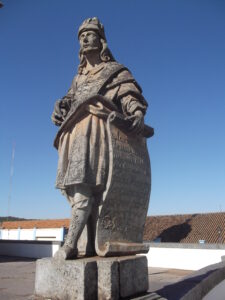
Anyone who has spent a lifetime waiting for a promise that seemed to take far too long to come true understands something of Simeon’s story. He lived for decades trusting a word God had given him, with no set date, no visible guarantee, only the quiet certainty that it was worth continuing to wait.
Simeon was a righteous and devout man living in Jerusalem, waiting for what the Bible calls the consolation of Israel: the coming of the Messiah promised by the prophets. The Holy Spirit was upon him and had revealed something extraordinary to him: he would not die before seeing with his own eyes the Christ of the Lord.
One day, moved by the Spirit, Simeon went to the temple. It was exactly the moment when Joseph and Mary arrived, bringing the child Jesus to fulfill what the law required for firstborn sons. Nothing about the baby signaled royalty: he was a poor newborn, the son of peasants, wrapped like any other child.
But Simeon recognized him. He took the child in his arms and praised God, declaring that he could now depart in peace, because his eyes had seen the salvation prepared for all peoples, a light for the Gentiles and glory for Israel. An old man recognized what priests and scribes had failed to perceive.
Then Simeon turned to Mary and spoke words that mixed blessing with sorrow. He said that child would cause the falling and rising of many, would be a sign spoken against, would reveal the hidden thoughts of many hearts. And he added something no mother wants to hear: a sword would pierce her own soul.
The Bible tells us nothing more about Simeon: we do not know his exact age, who his parents were, or what he did after that day in the temple. His entire story fits into a single episode, the day when decades of waiting finally came to an end.
But that single day is enough to show something about God: he fulfills what he promises, even when the fulfillment takes a whole lifetime. And it shows something about us: the faith that perseveres in the ordinary, in the routine of the temple, is the same faith capable of recognizing salvation when it finally arrives, even wrapped in something too simple to notice.