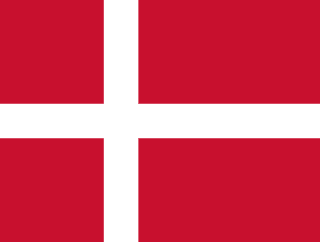
Discover
The identity of the nation
Denmark is the oldest monarchy in Europe and one of the richest, most organized and safest countries in the world. With about 5.9 million people spread across the Jutland peninsula and hundreds of islands, it is a nation small in territory but of enormous cultural influence, with an admired social model and one of the highest standards of living on the planet.
On paper, it is a majority Christian country: about 7 in 10 Danes are still members of the national Lutheran Church, the Folkekirke. In practice, however, faith has become mostly a cultural tradition. Church attendance is very low, most people do not claim a personal belief in God, and Denmark ranks among the most secularized societies in the world. Christianity is present in cathedrals, baptisms and holidays, but rarely as a living experience.
Behind the prosperity lies a real spiritual emptiness. Trust is placed in the state, in material well-being and in self-sufficiency. Concepts such as hygge (the coziness of togetherness) and Janteloven (the idea that no one should think themselves superior) shape an egalitarian, discreet culture in which talking about personal faith is seen as too intimate for public space.
Even so, God continues to work. There are living evangelical communities, free churches and renewal movements within the Folkekirke itself, although committed Christians remain a small minority. Immigration has brought new peoples, among them a growing Muslim population concentrated in the major cities, widening the mission field within Denmark’s own borders.
Denmark faces the challenge of rediscovering, in depth, the faith that once shaped its identity. Praying for the nation means asking that the gospel stop being a cultural memory and become a personal encounter again, and that a prosperous, comfortable society recognize its thirst for God.
- 8th-11th c. Viking Age: Danish seafarers and warriors explore and settle vast areas of Europe.
- 10th c. Gorm the Old and his son Harald Bluetooth unify the kingdom and introduce Christianity to Denmark.
- 1536 The Reformation reaches the kingdom: King Christian III breaks with Rome and establishes the Lutheran Church as the official faith.
- 1849 The liberal Constitution transforms the absolute monarchy into a constitutional monarchy.
- 1864 Defeat in the war against Prussia and Austria reduces the territory and marks modern Denmark.
- 1940-1945 German occupation during the Second World War; the Danish resistance helps save nearly all of the country's Jews.
- 1973 Denmark joins the then European Community.
- Today A prosperous, safe and deeply secularized nation, with the Christian faith mostly as a cultural heritage.
-
Danishofficial language, spoken by nearly the entire population
-
Englishwidely mastered, especially among the young
-
Faroese and Greenlandicspoken in the autonomous territories of the Faroe Islands and Greenland
-
Germanrecognized as a minority language in southern Jutland
Denmark occupies the Jutland peninsula, north of Germany, and more than 400 islands, of which Zealand and Funen are the main ones. It is a flat country with an extensive, jagged coastline, without mountains, with a landscape of fields, farms and port cities. The Faroe Islands, in the North Atlantic, and Greenland, the largest island in the world, are part of the kingdom with broad autonomy.
Major cities
- CopenhagenCapital and largest city, on the island of Zealand; political, cultural and economic center
- AarhusSecond-largest city, in Jutland; a university and cultural hub
- OdenseThird-largest, on the island of Funen; birthplace of Hans Christian Andersen
- AalborgMajor city in northern Jutland, known for its student life
- EsbjergThe west coast's main port and center of the energy industry
Climate and temperature
Smørrebrød
Rye bread with butter and various toppings, such as herring, salmon or roast beef: the national dish.
Frikadeller
Meatballs of pork or mixed meat, fried and served with potatoes and sauce.
Flæskesteg
Roast pork with crispy skin, a traditional dish for celebrations and Christmas.
Wienerbrød
Buttery puff pastry with cream, jam or marzipan, known around the world as the Danish pastry.
Rødgrød med fløde
Red berry compote served with cream, a classic summer dessert.
Understand
Culture and spirituality
2a · The culture
Hygge
The value of coziness and simple, warm togetherness sits at the center of the Danish way of life.
Janteloven (the Law of Jante)
The idea that no one should consider themselves superior to others shapes an egalitarian, discreet culture.
Trust and equality
Society runs on a high degree of mutual trust, between people and in institutions.
Work-life balance
Moderate working hours, autonomy and family time are real priorities.
Faith as tradition
Christianity remains a cultural heritage and rite of passage more than a living practice.
- Displaying status or wealth The culture values discretion and equality; showing off feels out of place.
- Forcing religious conversations in public Faith is seen as an intimate matter; the topic calls for sensitivity and relationship.
- Breaking agreements and schedules Punctuality and keeping one's word are taken seriously.
- Treating Denmark as part of Germany or Sweden Danes value their own distinct identity.
- Mistaking courtesy for instant closeness Friendship is built with time and trust, not right away.
2b · The field
Areas of spiritual battle and cultural captivity to cover in prayer. Tap each point to understand:
Faith has become a cultural tradition, and public life passes God by.
Prosperity and security feed the idea that God is not needed.
Material well-being takes the place of spiritual seeking.
Providence is placed in the social system, not in God.
Belonging to the national church coexists with little or no personal faith.
The emphasis on personal autonomy makes it hard to sense a communal need for the gospel.
Truth is seen as a private matter, emptying out the proclamation of the gospel.
Behind the comfort lies loneliness and a lack of meaning, especially among the young.
There is no hostility, only apathy toward the things of God.
Interest is growing in alternative, mystical practices disconnected from Christ.
Denmark guarantees broad religious freedom, and Christians live and practice their faith without restrictions. There is no significant state or social persecution, and the country ranks among those with the lowest pressure on Christians in the world.
Denmark’s challenge is not persecution, but indifference. In one of the most secularized societies on the planet, personal faith is seen as a private matter, and those who express Christian convictions publicly may encounter puzzlement or disdain rather than open opposition. The greatest obstacle to the gospel here is not suffering, but the spiritual apathy of a prosperous, contented people.
The persecution score runs from 0 to 100: the higher it is, the greater the pressure on Christians.
Denmark is, on paper, a majority Christian country, but marked by deep secularization: faith is mostly a cultural heritage, with very low practice. Today's main mission fields are the Danes themselves, indifferent to the gospel, and immigrant groups, among them Muslim communities concentrated in the major cities, still with little access to Christian witness.
- 310K Unreached 5,3%
- 109K Minimally reached 1,9%
- 100K Superficially reached 1,7%
- 5.3M Partially reached 90,1%
- 62K Significantly reached 1,1%
- 19 Unreached 38%
- 4 Minimally reached 8%
- 8 Superficially reached 16%
- 14 Partially reached 28%
- 5 Significantly reached 10%
Source of people group data: Joshua Project (joshuaproject.net). Estimates, may vary.
Arab Lebanese Muslim
Turco Frontier
Moroccan Arab Frontier
Afegão
Albanian
Bosniak Frontier
Pashtun Frontier
Source: Joshua Project. Estimates, may vary.
Pray
Intercede for this nation
Every nation carries a redemptive purpose. Marks that seem woven into the identity God desires to restore:
Go
Practical details for those who want to go
Local time
Cost of living
one of the most expensive in Europe
Cost by city
Reference values (source: Numbeo). Confirm before traveling.
Practical points for those who go
- English is widely spoken, but learning Danish opens doors to deeper relationships.
- Bring warm clothing and be ready for short, damp winter days.
- Have patience to build friendships: trust is earned over time.
- Value discretion and punctuality, traits highly appreciated in the local culture.
- Plan a generous budget: the cost of living is among the highest in Europe.
Send and sustain
Not everyone goes, everyone takes part
Not everyone goes. Everyone takes part.
Behind every worker among these peoples stands a network of people who pray without ceasing, care for the family left behind, and faithfully sustain the work. Sending is mission too.
Start with your church: introduce this nation, adopt it in ongoing prayer, and walk alongside those God is raising up to go.