


 +6
Region · South and Southeast Asia
A region with more unreached people than any other, where Hinduism, Islam, and Buddhism are tied to the identity of each people and the church is still small.


The 7 flags of the region. Tap one to open the country.
Largest unreached peoples:
 Muslim Bengali 133.3M
 Shaikh 103.7M
Hindu Yadav 62.7M
Source: Joshua Project and Progress.Bible. Estimates, may vary. Compiled from the data of each country in this region.
South Asia comprises 7 countries between the Himalayas and the Indian Ocean, including India, Pakistan, Bangladesh, Nepal and Sri Lanka. It is a region shaped by ancient, deeply rooted religious systems: Hinduism, the majority religion in India and Nepal; Islam, predominant in Pakistan and Bangladesh; and Buddhism, strong in Sri Lanka and Bhutan.
Christianity has a historical presence in specific pockets, but remains a minority faith across almost the entire territory. India’s caste system, laws restricting conversion in several countries and strong national religious identities make sharing the gospel a slow process and, often, a risky one for those who decide to follow Jesus.
There are 2,902 recorded people groups in the region, and 2,771 of them, virtually all, remain unreached. Evangelicals account for just 0.1%, one of the lowest proportions on the planet. In terms of Bible access, 245 of the 390 mapped people groups still have no Scripture in their language.
It is one of the world’s regions most urgently in need of prayer: billions of people, thousands of people groups, and only a tiny fraction with real access to the gospel.
Hinduism, Islam and Buddhism profoundly shape each country's cultural and social identity.
In India and neighboring countries, the caste system still influences who has access to which opportunities, including spiritual ones.
Several countries in the region have laws or social pressures that make publicly changing religion difficult.
With just 0.1% evangelicals, it is one of the regions with the lowest proportional Christian presence on the planet.
Almost all the people groups recorded in the region still have no church of their own.
 +6
133.4M133.4M people9 unreached locations9 unreached locations
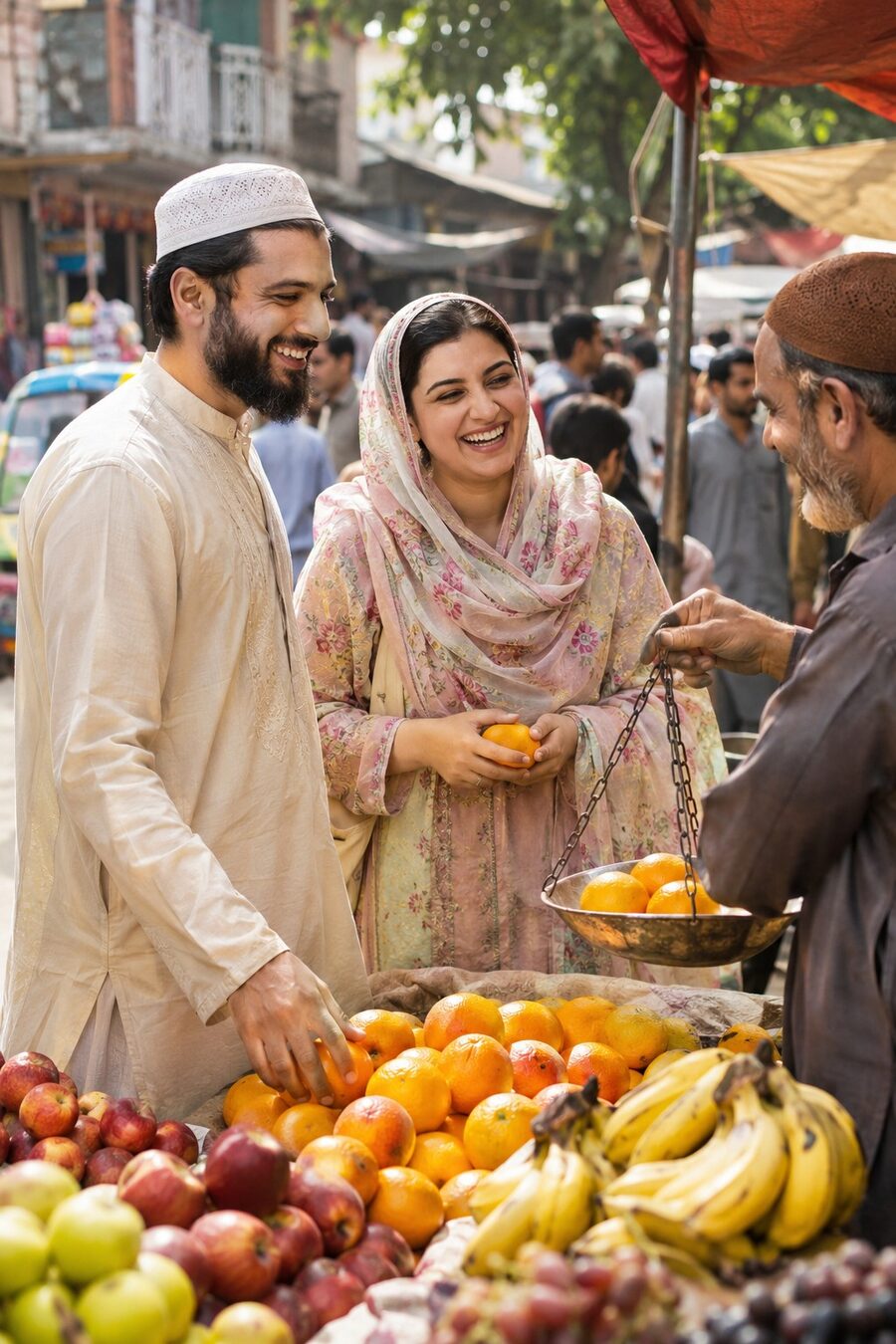 +5
103.9M103.9M people8 unreached locations8 unreached locations
 +2
62.7M62.7M people5 unreached locations5 unreached locations
 +2
62.1M62.1M people5 unreached locations5 unreached locations
 +1
48.7M48.7M people4 unreached locations4 unreached locations
 +1
48.7M48.7M people4 unreached locations4 unreached locations