Missions
What Is Vaisakhi
Discover Vaisakhi, the festival commemorating the founding of the Khalsa in Sikhism, its connection with the Punjab harvest, and its processions and community meals.
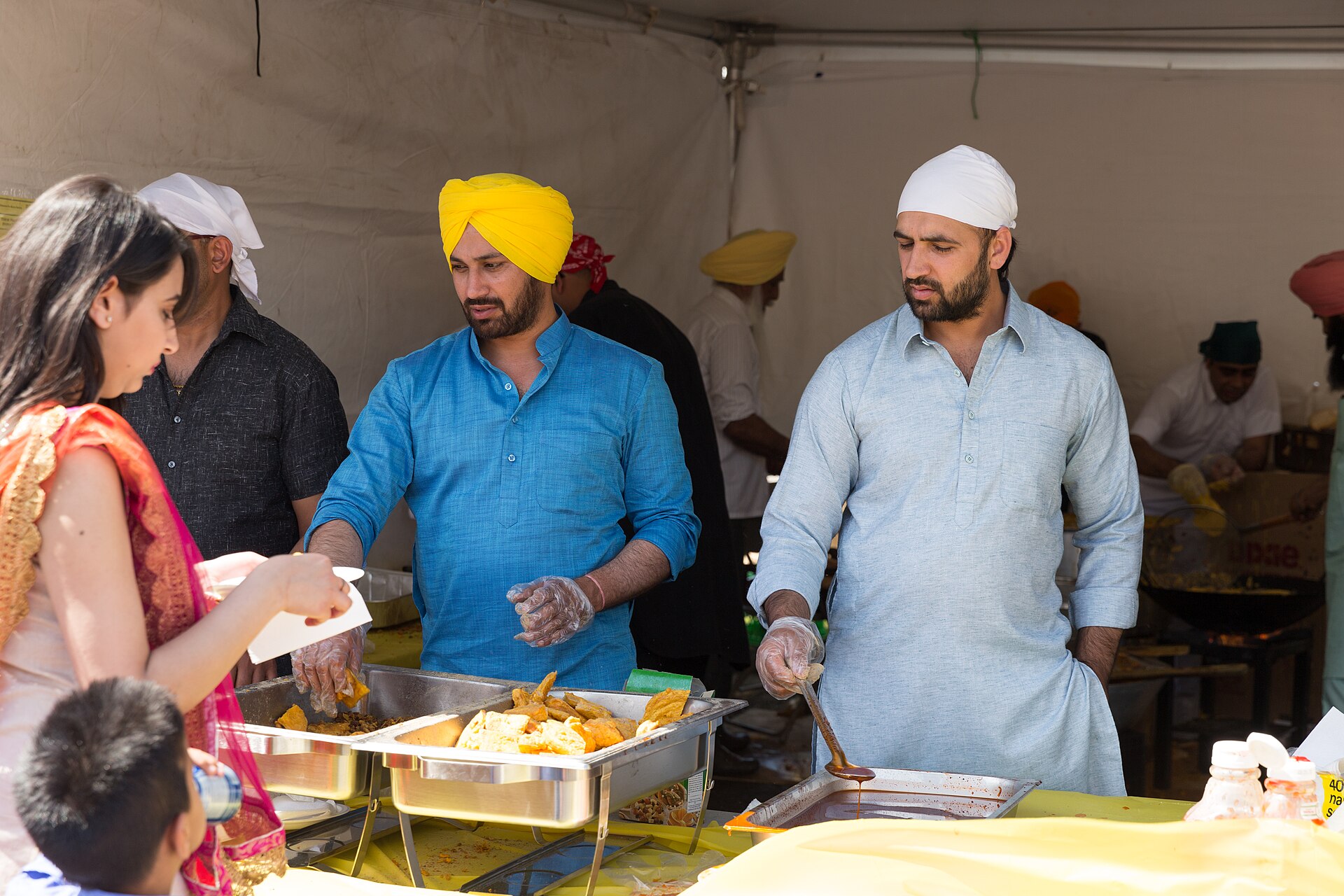
Vaisakhi, also called Baisakhi, is one of the main festivals of Sikhism, a religion that arose in Punjab, a region now divided between India and Pakistan. For Sikhs, its followers, the festival commemorates the founding of the Khalsa by Guru Gobind Singh in 1699. The Khalsa is the community of Sikhs who undergo initiation and make a public commitment to the teachings of their faith.
The festival takes place in April and also has a history connected with the spring harvest in Punjab. In Sikh celebrations, remembrance of the Khalsa is central, with prayers, religious music, free meals, and processions called nagar kirtan. To see how this festival fits into the Sikh calendar, read about the most important Sikh festivals.
From the Punjab harvest to the founding of the Khalsa
Before the founding of the Khalsa, Vaisakhi was already a harvest festival in Punjab. The arrival of this season brought communities together to celebrate the food they had produced and their shared life. Sikhism also already existed: the religion began with Guru Nanak in the late fifteenth century and was led by a succession of spiritual teachers called gurus.
Guru Gobind Singh, the tenth of these teachers, summoned his followers for Vaisakhi in 1699 at Anandpur Sahib, a city in present-day India. There he established the Khalsa, giving an organized form to the community of initiated Sikhs. The festival therefore commemorates a specific event in Sikh history that took place after the religion itself began.
According to the traditional Sikh account, the guru appeared before the crowd with a sword and asked who was willing to give their life. Five men stepped forward, one after another. They became known as the Panj Pyare, meaning the five beloved ones, and became the first members of the Khalsa.
The guru initiated these men with amrit, sweetened water prepared while prayers are recited and stirred with a double-edged sword. He then asked them to administer initiation to him. For Sikhs, this gesture expresses the commitment uniting the teacher and the community and the responsibility shared by its members.
Why the Khalsa is so important
The Khalsa was formed to bring together people willing to live their faith with discipline, confront injustice, and protect those suffering religious persecution. Its principles include honesty, equality, and service to others. Remembering its founding invites Sikhs to renew these commitments, both in prayer and in the decisions of daily life.
One important principle is the rejection of caste, social divisions associated with birth that can determine status and position in society. The ideal of the Khalsa affirms equality among its members regardless of their background. Initiation is voluntary and is open to men and women when they feel ready to take on its responsibilities.
Initiated Sikhs keep the five Ks, articles of faith whose names begin with that letter in Punjabi, the language of Punjab. They are kesh, uncut hair; kangha, a comb; kara, an iron or steel bracelet; kachera, an undergarment resembling shorts; and kirpan, a small sword that recalls the commitment to justice.
These articles are part of the daily lives of initiated Sikhs and make their religious identity visible. Vaisakhi is therefore an occasion to explain the meaning of this commitment to children and visitors. Not every Sikh has undergone Khalsa initiation, although they may participate in the prayers, meals, and other festival activities.
When it takes place and how it is celebrated
The date corresponds to the beginning of Vaisakh, a month in a solar calendar based on the Sun’s annual cycle. In the Gregorian calendar, used in Brazil, the festival usually falls on April 13 or 14. The fixed version of the Sikh Nanakshahi calendar places Vaisakhi on April 14; in that calendar, the year begins in March, in the month of Chet. Although many people describe Vaisakhi as the Punjabi or Sikh New Year, Sikh sources therefore point out that it is not the beginning of the year in the Nanakshahi calendar.
The religious celebration centers on one day, but the program may begin earlier and include events on nearby weekends. Families visit the gurdwara, the Sikh community’s place of prayer and gathering. Readings, explanations of the teachings, and kirtan, the singing of religious hymns, take place there, along with shared meals.
Some communities hold a continuous reading of the entire Guru Granth Sahib, completed in about forty-eight hours. This book contains the Sikh scriptures and is recognized by believers as their permanent guru. The reading may conclude with the prayer gathering on the morning of the festival, connecting the celebration with the teachings that guide the community.
Amrit Sanchar ceremonies, the name for initiation into the Khalsa, may also take place. Five initiated Sikhs lead the prayers and prepare the amrit, which the new members receive. Vaisakhi is an important occasion for this step, but the ceremony can also take place at other times of the year.
In the streets, nagar kirtan brings the singing of hymns through the city. Five members of the Khalsa represent the Panj Pyare at the head of the procession, while the Guru Granth Sahib has a prominent place on a vehicle prepared to carry the book respectfully. Participants follow the route singing, and visitors of other religions may watch and join the walk.
Some processions include demonstrations of gatka, a Sikh martial art. The program may also include the distribution of food along the route.
Food plays an important role through langar, the community kitchen that offers free meals to everyone. During the celebrations, vegetarian meals welcome people with different dietary customs without requiring them to belong to the religion. Preparing, serving, and cleaning are part of seva, voluntary service for the benefit of others.
Another food present in Sikh religious life is karah prashad, a sweet made with flour, sugar, and clarified butter. Sharing it expresses equality among participants. The meal and community service give tangible form to what the festival commemorates: commitment to God also involves feeding and welcoming other people.
A Punjab festival celebrated around the world
Indian Punjab is an important center for Vaisakhi, with celebrations in gurdwaras and visits to religious sites. In Amritsar, the Golden Temple welcomes worshippers on this occasion. Sikh celebrations and pilgrimages also take place in Pakistan, showing that the region’s religious history crosses present-day borders.
The agricultural dimension of the festival extends to people from different traditions in Punjab, including Hindus. For Sikh communities living outside South Asia, remembrance of the Khalsa remains central. This explains why a celebration that began in this region also fills streets and squares on other continents.
In Canada, the city of Surrey holds a large annual Vaisakhi procession. In the United Kingdom, London hosts a public program in Trafalgar Square, with music, gatka demonstrations, family activities, and free vegetarian food.
Service to others and the gospel
Vaisakhi expresses the desire to live faithfully before God, belong to a community, and confront injustice. For Christians, learning about these commitments helps them speak respectfully about faith and responsibility. The work of those who prepare a free meal deserves recognition, and listening to what it means is a good beginning for dialogue.
The gospel presents Jesus as the one who came to serve and give his own life for many:
“For even the Son of Man did not come to be served, but to serve, and to give his life as a ransom for many.”
Mark 10:45
In Ephesians 2:8-10, salvation is described as a gift from God, received through faith, and doing good is part of the life of those who belong to Christ. When speaking about this hope with a Sikh friend, Christians can explain what they believe without attributing to the other person ideas they have not expressed.
Getting to know Sikhs and praying for the nations
Learning about Vaisakhi helps make prayer more specific for Sikh families in Punjab and for communities celebrating in other countries. We can ask that they may know Jesus and that Christians will share the gospel with clarity, patience, and friendship. Commitment to unreached peoples also calls for a willingness to listen and learn the stories of real people.
Building a relationship can begin with a conversation about what the festival means to a particular family or with a visit to an event open to the public. On entering a gurdwara, visitors cover their heads and remove their shoes, following their hosts’ instructions. Listening attentively and treating each person with dignity are part of the care with which we share the Christian faith.
You have read this story. Now pray.
Today we pray for a nation and a people who still need to hear the gospel.
 Missions What Is Yom Kippur
 Missions What Is Vesak
 Missions What Is Janmashtami