Missions
What Is Yom Kippur
Explore the origins of Yom Kippur in Leviticus 16, the meaning of Jewish fasting and prayers, and the connection between the Day of Atonement and the letter to the Hebrews.
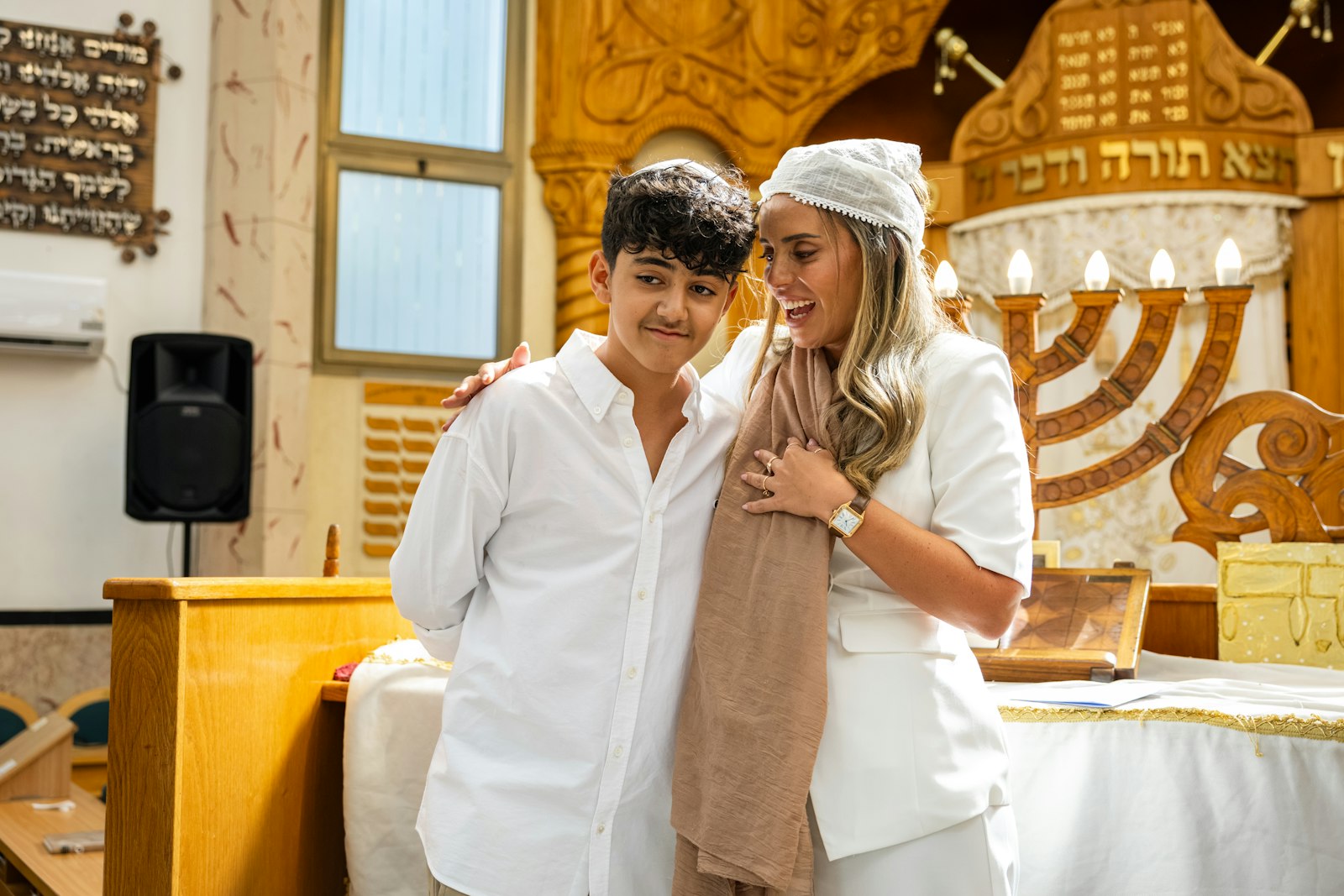
Yom Kippur is the Day of Atonement, the holiest day in the Jewish calendar. In this context, atonement refers to the forgiveness of sins and purification before God. For Jews, it is a day of repentance and seeking forgiveness, observed through fasting, rest from work and prayer, especially in the synagogue, where the community gathers to worship and pray.
Its origins lie in the Torah, the first five books of the Bible, and the ancient ritual is described in Leviticus 16. At that time, the high priest offered sacrifices on behalf of Israel. Today, without the temple in Jerusalem, observance centers on prayer, examining one’s life and reconciliation with God and other people. To see how this day fits into the Jewish calendar, read about the most important Jewish festivals.
Its origins in Leviticus and the temple service
Leviticus 16 records God’s instructions to Moses on how Aaron, the high priest, was to enter the Most Holy Place, the innermost part of the sanctuary. The original setting is the tabernacle, a tent used for Israel’s worship before the temple was built. The chapter establishes an annual ceremony to purify the sanctuary and the people.
The high priest, who had primary responsibility for religious worship, bathed and put on sacred linen garments. He offered a young bull for his own sins and those of his household, and a goat for the sins of the people. He took incense and blood behind the curtain that separated the Most Holy Place, following the instructions for purification (Leviticus 16:2-19).
Another goat was kept alive. The priest laid his hands on its head, confessed Israel’s sins and sent it into the wilderness with an appointed man. This act represented the removal of the community’s guilt (Leviticus 16:20-22). The ritual as a whole addressed both the purification of the place of worship and the people’s relationship with God.
The service became part of worship at the temple in Jerusalem. Jewish tradition also connects the day with the forgiveness granted after the episode of the golden calf, when Moses interceded for the people. This connection is a religious explanation handed down through tradition, in addition to the instructions in Leviticus.
After the destruction of the Second Temple in the year 70, sacrifices were no longer offered there. Yom Kippur continued to be observed, with prayer and repentance at the heart of community life. The memory of the ancient service lives on in prayers describing what the high priest did.
Why Jews devote a day to forgiveness
Yom Kippur brings together responsibility for one’s actions and trust in God’s mercy. The Hebrew word teshuvah, usually translated as repentance, means return: turning back to God and leaving wrong ways behind. The aim is to acknowledge wrongdoing and commit to change that continues beyond the day itself.
Offenses against other people call for concrete action. In Jewish understanding, the day does not automatically erase harm done to others; people must approach those they have hurt and ask for forgiveness. Preparation therefore involves examining relationships, acknowledging personal responsibility and seeking reconciliation, rather than limiting repentance to the words of prayer.
The prayers also draw on the image of the Book of Life. According to tradition, judgment is recorded on Rosh Hashanah, the Jewish New Year, and sealed on Yom Kippur. Repentance, prayer and help for those in need express the response to this moment. Despite its solemnity, there is hope for forgiveness and a new beginning.
The calendar, fasting and synagogue prayers
Yom Kippur falls on the tenth day of Tishrei (also spelled Tishri), the month that begins the Jewish year. The Jewish calendar combines the cycles of the moon and the sun, so the date shifts in the civil calendar, generally falling in September or October. It concludes the ten days of repentance that begin on Rosh Hashanah.
Leviticus 16:29-34 prescribes observance on the tenth day of the seventh month, with rest and humbling oneself before God. Tishrei is this seventh month in the biblical reckoning, which counts the months beginning with Nisan. Tradition understands the humbling mentioned in the text as a requirement to fast.
Observance begins before sunset on the evening before and ends after nightfall the following day, lasting about 25 hours. The traditional fast involves abstaining from both food and water. On the eve of the day, families share a meal before the fast begins; once it ends, they eat again, at home or with the community.
Traditional practice also involves avoiding leather shoes, bathing for pleasure, creams and marital relations. Giving these things up helps people focus on prayer and repentance. Some wear white as a sign of purity. Young children do not keep the full fast, and preserving life takes priority: those who cannot fast for health reasons must not put their lives at risk.
The opening synagogue service is known as Kol Nidrei, an expression meaning “all vows.” It is a declaration concerning vows made to God, which gives its name to the service on the eve of Yom Kippur. Throughout the following day, there are Scripture readings, confession of sins and pleas for forgiveness, using words and melodies handed down within the communities.
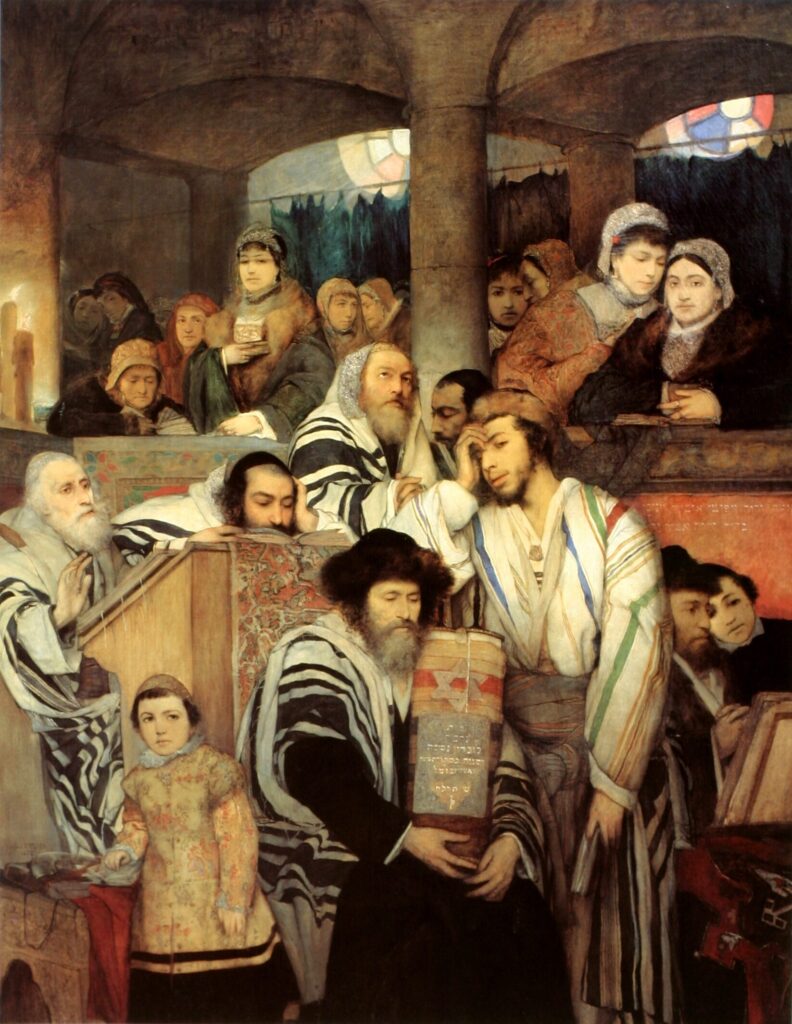
The traditional order includes five prayer services over the course of the observance. The additional service includes a remembrance of the temple service; in the afternoon, the book of Jonah is read, reflecting the theme of repentance. Many communities also hold Yizkor, a memorial prayer for family members and other loved ones who have died.
The closing service is called Neilah, meaning closing, and evokes the image of the gates of heaven closing at the end of the day. A blast of the shofar, an instrument made from a ram’s horn, marks the conclusion. Practices vary: in liberal communities, for example, Hebrew prayers may be accompanied by translations and texts in the local language.
A Jewish holy day in Israel and around the world
Yom Kippur belongs to the religious life of Jews in Israel and in the diaspora, the term for Jewish communities outside Israel. Its observance brings families and congregations together around a shared calendar and the search for forgiveness. In Israel, the country virtually comes to a standstill: public transportation and the airport shut down, and the streets are almost empty of cars. The day is observed even in Jewish households whose members do not attend synagogue during the rest of the year. Those unable to go to synagogue can also observe the day at home.
In Brazil, the day is also known as the Day of Forgiveness. The Beth-El synagogue in São Paulo describes its observance in terms of fasting, prayer and reflection on individual and collective responsibility. In Pernambuco, the Brazilian Israelite Confederation reported a community observance in 2024 in which children and young people took part in the prayers.
The search for forgiveness and the letter to the Hebrews
For Christians, Yom Kippur helps illuminate the language of the letter to the Hebrews. The text recalls the high priest’s annual entry into the innermost part of the sanctuary and presents Jesus as the one who opens the way to God through his own sacrifice. This is the Christian reading of these rites, distinct from contemporary Jewish understanding.
According to Hebrews 9:7-14, Jesus offers himself and purifies the conscience so that people can serve God. Hebrews 10:1-4 contrasts repeated sacrifices with Christ’s definitive work. The Christian response to guilt rests on what Jesus has done, received through faith, and includes repentance and a transformed life.
“For by one sacrifice he has made perfect forever those who are being made holy.”
Hebrews 10:14, NIV
This statement does not justify looking down on those who observe Yom Kippur. Understanding what the day means to Jews helps Christians explain their faith accurately and respectfully. The connection with Hebrews grows out of a shared biblical history and leads to the question of how human beings can receive forgiveness and draw near to God.
Praying and building relationships with those who observe the day
As we pray for the nations, we can remember Jewish families in Israel and in communities around the world, asking that they may come to know Jesus and be able to practice their faith in safety. We can also ask God to help churches present the gospel clearly, without fueling prejudice against Jews.
In everyday relationships, it is helpful to respect a colleague’s fast, listen to what the day means to a family and choose an appropriate time to talk about faith. Caring for those who observe the day is also part of Christian mission. Praying for unreached peoples should go hand in hand with sincere friendships and a willingness to explain the hope found in Christ.
You have read this story. Now pray.
Today we pray for a nation and a people who still need to hear the gospel.
 Missions What Is Vesak
 Missions What Is Vaisakhi
 Missions What Is Janmashtami