Missions
The most important Hindu festivals
Discover the main Hindu festivals, their stories, rituals and meanings, from bathing at Kumbh Mela to the lights of Diwali, and learn how to pray for those who celebrate.
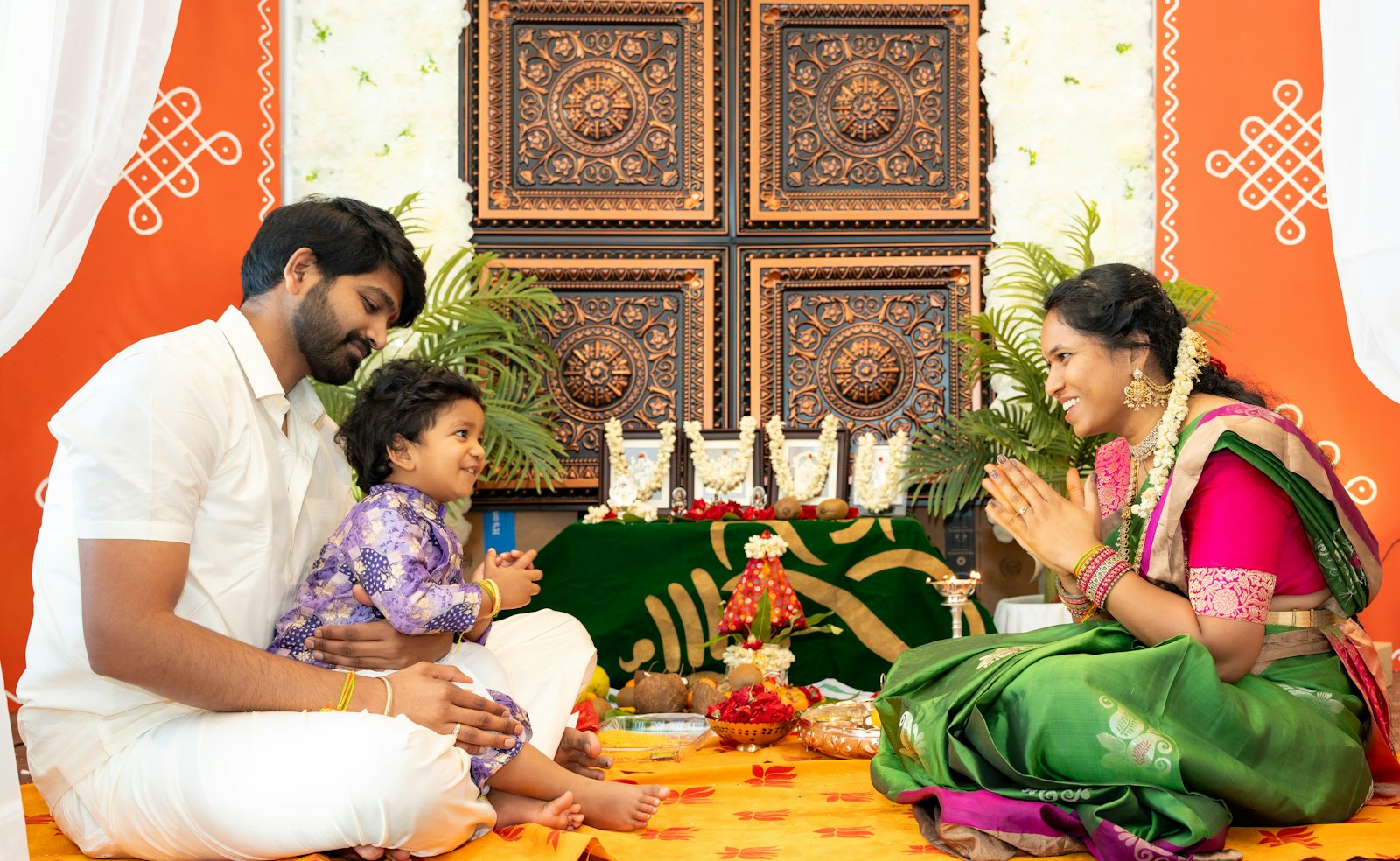
Hindu festivals bring together devotion, religious stories and family gatherings. They commemorate deities and express hopes for protection, renewal and victory over evil. Many dates follow a calendar that combines lunar cycles with the solar year, so they shift in the calendar used in Brazil; customs also vary among communities.
Kumbh Mela: pilgrimage and purification
Kumbh Mela has its own cycle, with no fixed place in the sequence of annual festivals. The 2025 gathering in Prayagraj took place between January and February. This pilgrimage rotates among sacred sites in India, and each host site has a main cycle of approximately twelve years, calculated according to the positions of celestial bodies.
Its religious origins lie in the story of a struggle over the nectar of immortality, drops of which are said to have fallen at the pilgrimage sites. Participants bathe in rivers considered sacred, seeking purification from sins and liberation from the cycle of birth and death. Prayers, teachings from religious masters and encampments are also part of the gathering.
Maha Shivaratri: the great night of Shiva
Celebrated around the new moon, between February and March, Maha Shivaratri is dedicated to Shiva, a deity associated with the transformation and renewal of the universe. Different stories explain the festival, including Shiva’s marriage to Parvati and the account in which he drinks poison to protect the world.
Devotees fast, pray and stay awake through the night in worship. Rituals include offerings of water, milk and leaves to the lingam, a symbol of Shiva usually made of stone. For participants, giving up food and sleep helps them focus on devotion and seek spiritual renewal.
Holi: colors, spring and a fresh start
Holi follows the full moon of Phalguna, a Hindu month corresponding to parts of February and March. The festival celebrates spring and the victory of good over evil. One story tells how the boy Prahlada, a devotee of Vishnu, was protected in a fire, while Holika, who had taken part in the plot to kill him, died.
The celebration usually begins with a bonfire recalling this story. The next day, people scatter colored powder, throw water, dance and share sweets. The colors also recall playful encounters between Krishna and Radha, associated with love; visits and gatherings express the desire to forgive and restore friendships.
Janmashtami: the birth of Krishna
Janmashtami celebrates the birth of Krishna, usually in August or September, during the waning moon. For many Hindus, he is a manifestation of Vishnu; other traditions recognize him as the supreme God. According to the religious account, he was born in a prison and taken by his father to another family to escape King Kamsa.
Fasting, stories about his life, songs and dramatic performances prepare the way for the midnight celebration, the hour tradition gives for his birth. Images of the infant Krishna are placed in cradles or swings and receive care and offerings. The festival expresses loving devotion and trust in divine protection in the face of injustice.
Ganesh Chaturthi: wisdom and new beginnings
Ganesh Chaturthi begins during the waxing moon of Bhadrapada, usually between August and September, and celebrates the birth of Ganesha. The elephant-headed deity is associated with wisdom and the removal of obstacles. One story tells how Shiva restored Parvati’s son to life using the head of an elephant.
Families welcome images of Ganesha into their homes or public spaces, offer flowers and sweets and say prayers. Particularly prominent in Mumbai, the celebration includes processions and ends with the immersion of the images in water, marking a farewell at the end of the visit. Devotees ask for guidance in their studies, work and new stages of life.
Navaratri: nine nights of devotion
The best-known celebration of Navaratri begins during the waxing moon of Ashvin, usually in September or October; there is also an observance in the Northern Hemisphere’s spring. The nine nights are dedicated to the goddess, especially Durga. According to tradition, she defeated the demon Mahishasura, who threatened the order of the world. For devotees, this victory affirms that evil can be overcome and that life needs protection.
There are prayers, fasting and regional forms of worship. In Gujarat, in western India, groups dance in circles; in Bengal, in the east, images of Durga receive offerings and are then taken for immersion. The tenth day celebrates victory over evil and, in other regions, commemorates Rama’s victory over Ravana.
Diwali: the festival of lights
Diwali usually lasts five days, with the main night of many celebrations falling on the new moon in October or November. In northern India, one tradition commemorates Rama’s return home after defeating Ravana. Many families also worship Lakshmi, the goddess associated with prosperity and well-being.
Oil lamps light homes, and colorful designs decorate entrances. Prayers, visits, gifts and sweets accompany family gatherings. For those who celebrate, the lights express the victory of good over evil and knowledge over ignorance, as well as a commitment to making good choices in life.
Understanding the festivals and praying for the nations
As you pray for the nations, remember Hindu families in India, Nepal and communities near your home. Listening to which stories and customs matter to them helps us get to know real people. Ask that they may come to know Jesus and that Christians may be able to explain the gospel with friendship and respect.
Include unreached peoples, communities with little access to the gospel and to churches that can explain the faith in their context. Prayer can go hand in hand with simple actions: learning names, listening to family stories and maintaining friendships after the festival. This care creates room for clear conversations about Christian hope.
You have read this story. Now pray.
Today we pray for a nation and a people who still need to hear the gospel.
 Missions Veils, hijab and burqa: women in Islam
 Missions 2027 prayer calendar: campaigns and dates for the year
 Missions How to help persecuted Christians beyond prayer